

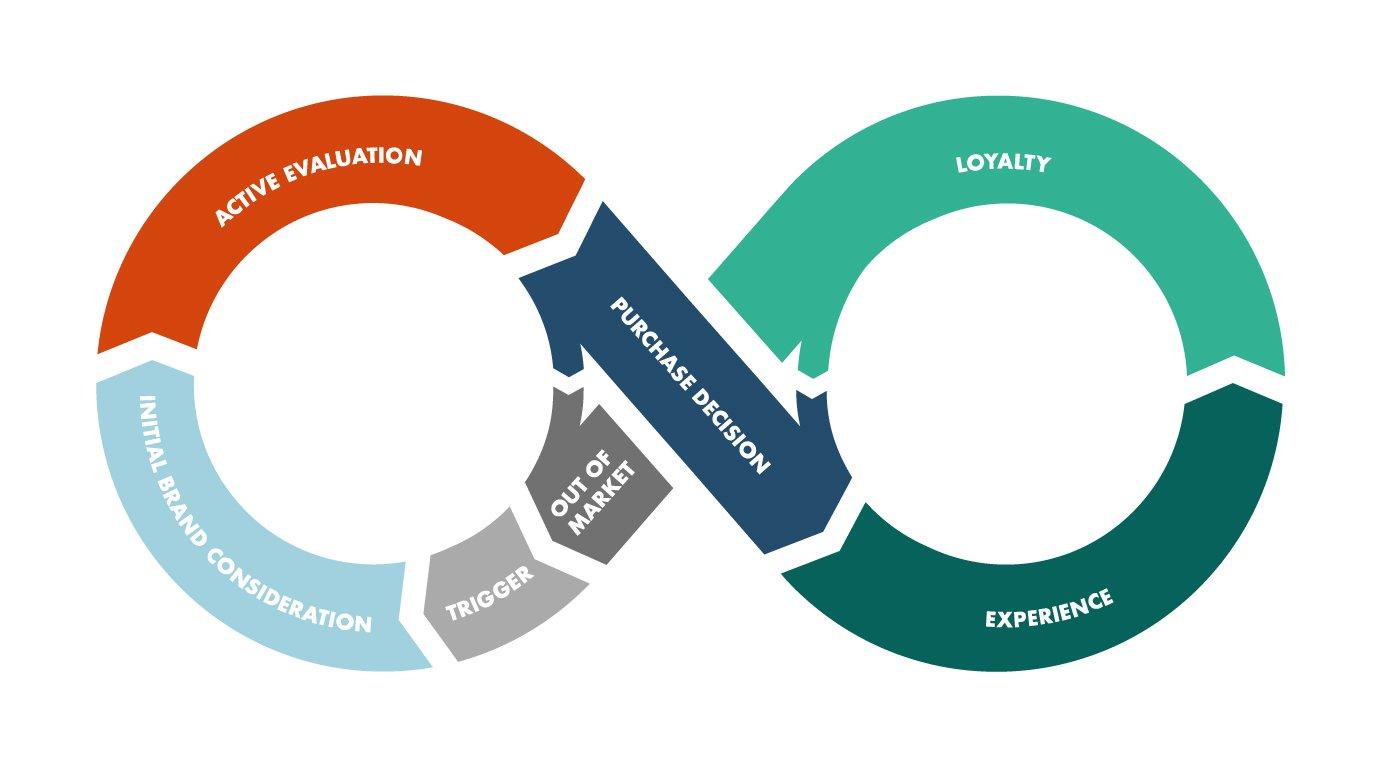
Customer experience is moving to the center of corporate strategy, as companies across sectors reposition service quality and seamless interactions as core drivers of growth. With acquisition costs rising and consumer expectations shaped by always‑on digital platforms, executives are shifting budgets from broad marketing campaigns to initiatives that strengthen loyalty, reduce churn, and increase lifetime value.
From banking to retail to software, the calculus is changing: in crowded markets, how a brand serves customers now rivals what it sells. Investments in data integration, AI‑powered personalization, and frontline training are accelerating, as firms seek faster resolution times, consistent omnichannel support, and proactive engagement. Industry analysts say the pivot reflects mounting evidence that superior experiences translate into repeat business and resilience in volatile conditions. This article examines the forces behind the shift-and how companies are reorganizing to compete on experience.
Table of Contents
- Customer experience overtakes price and product as the strongest driver of growth and loyalty
- Link customer experience metrics to revenue retention and executive incentives to prove impact
- Map end to end journeys fix the biggest friction points and empower frontline teams with real time feedback and recovery budgets
- Future Outlook
Customer experience overtakes price and product as the strongest driver of growth and loyalty
Amid margin pressure and product parity, market leaders are gaining share by calibrating every touchpoint to reduce effort and build trust, with executives linking superior journey execution to faster revenue growth, higher retention, and greater price tolerance; budgets are shifting from broad acquisition to experience operations, journey analytics, and frontline enablement as firms compete on service quality and reliability rather than discounts.
- Speed and simplicity: streamlined onboarding, rapid delivery, and frictionless checkout.
- Omnichannel continuity: context that follows customers across web, app, contact center, and store.
- Proactive care: issues anticipated and resolved before escalation.
- Personalization with consent: relevance that respects data choices and privacy.
- Human-in-the-loop automation: AI for scale, agents for empathy and complex cases.
- Transparent policies: clear pricing, returns, and resolution timelines that build confidence.
Link customer experience metrics to revenue retention and executive incentives to prove impact
Industry leaders are translating customer experience into P&L language, hard-wiring it to retention and compensation so outcomes are auditable: boards are demanding a single version of truth that ties journey improvements to revenue movements, while compensation committees shift variable pay from activity-based goals to measurable value creation. The playbook centers on a revenue-first scorecard, incentive alignment across the C-suite, and a closed-loop operating rhythm that routes feedback into funded work and verifies impact in financials.
- Set revenue-linked CX KPIs: NRR/GRR, churn, expansion ARR, CLV, time-to-value, and first-contact resolution, segmented by cohort and product.
- Establish baselines and targets: lock quarterly ranges by segment; attribute movements to specific journey fixes and release trains.
- Align incentives: tie a defined share of CEO/CRO/COO/CPO variable pay to NRR and churn outcomes, with threshold “gate” conditions, balanced scorecard caps, and clawbacks for unsustained gains.
- Build attribution: connect VoC, support, and usage telemetry to revenue using cohort analyses and leading indicators (e.g., activation, product adoption) mapped to renewal likelihood.
- Publish one dashboard: a board-level view that traces each funded initiative to KPI deltas and booked dollars; freeze definitions to prevent metric drift.
- Operate a closed loop: prioritize backlog items that move retention metrics; stop spend on work with no demonstrated lift.
- Equip the frontline: deliver real-time signals in CRM and offer SPIFFs tied to save actions, expansion triggers, and successful recovery resolutions.
Map end to end journeys fix the biggest friction points and empower frontline teams with real time feedback and recovery budgets
Amid tightening markets, companies are turning to enterprise-wide journey analytics to pinpoint where customers stall, abandon, or escalate-and to fix those gaps at source while equipping frontline staff to act in the moment. By stitching together behavioral data, operational telemetry, and service outcomes, organizations are targeting high-friction moments with design changes and giving agents live signals plus discretionary funds to resolve issues on the spot. Early movers report faster complaint resolution, measurable churn prevention, and lower cost-to-serve as feedback loops shrink from weeks to minutes and accountability moves closer to the customer.
- Instrument every step: unify web, app, store, and contact-center data into a single journey view with clear drop-off and repeat-contact markers.
- Expose friction in real time: use journey heatmaps and anomaly alerts to surface failures by segment, channel, and cohort.
- Put authority at the edge: enable frontline teams with contextual insights, playbooks, and pre-approved recovery budgets to resolve issues without escalation.
- Close the loop fast: trigger in-the-moment surveys, auto-create tickets for detractors, and route patterns to product and ops for permanent fixes.
- Prove ROI: link interventions to save rates, repeat purchase, and lifetime value to prioritize the next round of journey improvements.
Future Outlook
As competition intensifies and margins narrow, executives are reframing customer experience from a soft metric to a core driver of revenue, retention and brand equity. The emerging consensus across sectors is clear: organizations that align technology, data governance and frontline culture around the customer are outperforming those that treat experience as an afterthought.
The next phase will test execution. Companies face rising expectations for speed, personalization and consistency across channels, even as they navigate privacy rules and cost pressures. Those that connect experience metrics to financial outcomes-and invest accordingly-are more likely to secure loyalty in a volatile market.
In a landscape where products can be copied and prices matched, the experience is the differentiator. For many businesses, winning the customer now means winning on how it feels to be one.