

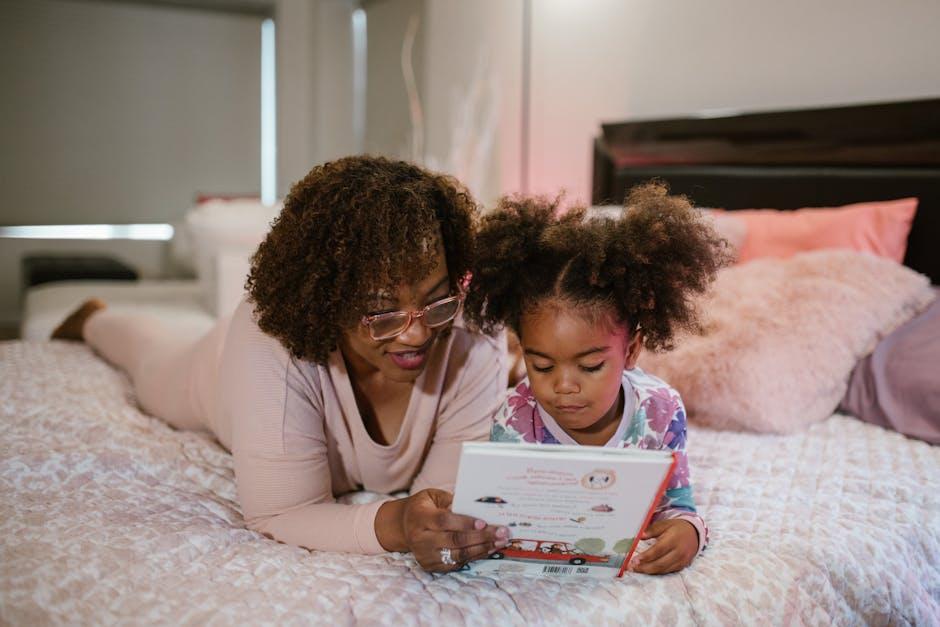
As schools confront widening achievement gaps and renewed pressure to lift test scores, a growing share of the work is unfolding far from the classroom-at home, where parents are emerging as pivotal partners in student success. Teachers and administrators say the habits and routines established around the kitchen table can be as influential as what happens during the school day.
The shift reflects a broader recalibration in education: while curricula and technology evolve, consistent parental support-regular reading, predictable schedules, monitored screen time, and timely communication with schools-remains a strong predictor of academic progress. For families juggling work and rising costs, the question is less about intent than about what’s practical.
This article examines what experts say works, what doesn’t, and how families can support learning without turning home into a second classroom. From simple daily practices to navigating digital tools and homework policies, the focus is on evidence-informed steps that help students stay engaged, organized and ready to learn.
Table of Contents
- Build Consistent Routines That Boost Grades and Confidence
- Communicate With Teachers Using Focused Questions Simple Scripts and Timely Follow Ups
- Set Up a Distraction Free Study Corner on Any Budget
- Track Learning With Weekly Check Ins Checklists and Goal Reviews
- Final Thoughts
Build Consistent Routines That Boost Grades and Confidence
Household patterns are emerging as a quiet driver of achievement, with educators reporting stronger homework completion and calmer mornings when families follow a predictable rhythm. Parents can signal “learning time” with clear starts and stops, a tidy workspace, and light oversight that respects independence. Small structural choices-such as posting the day’s plan and limiting phone access during study-are proving effective at reducing friction and freeing up focus for reading, problem sets, and revision.
- Set a homework window: Same time daily to build focus and reduce negotiation fatigue.
- Create a visible plan: A brief checklist (assignments, materials, due dates) posted where work happens.
- Designate a quiet zone: Consistent location, good lighting, minimal clutter.
- Park devices: A central “charging station” to keep phones and gaming consoles out of reach.
- Prep supplies: Pens, calculators, textbooks, and water within arm’s reach to prevent task switching.
Confidence grows when students experience frequent, manageable wins and receive feedback that spotlights effort and strategy-not just outcomes. Families can replace last-minute scrambles with short, trackable steps and brief check-ins that keep momentum high without micromanagement. Educators note that routines built around consistency-bedtimes, start times, and weekly planning-translate into steadier grades and lower stress, especially during peak assessment periods.
- Micro-deadlines: Break big tasks into 20-30 minute segments with a quick stretch between.
- Check-ins, not hovering: Two-minute progress updates at midpoint and wrap-up.
- Effort-based praise: Call out persistence, planning, and problem-solving.
- Sleep and start times: Consistent lights-out and a calm morning routine to protect focus.
- Sunday planning: Review the week’s tests, readings, and activities to allocate study blocks early.
Communicate With Teachers Using Focused Questions Simple Scripts and Timely Follow Ups
Parents across districts are reporting better results when they keep classroom communication precise. Rather than broad check-ins, educators say targeted prompts reveal what a child needs and how families can help at home. Short, scripted messages-sent by email, LMS, or school apps-cut through crowded inboxes and make it easier for teachers to respond quickly with actionable guidance. Below are newsroom-tested prompts that mirror the way teachers track learning goals and interventions.
- Progress snapshot: “Which skill is my child currently working to master, and what would ‘on track’ look like this week?”
- Evidence request: “Could you share one recent example (quiz, rubric, or note) that shows where support is needed?”
- Home strategy: “What two at‑home practices would most effectively reinforce this skill over the next five days?”
- Assessment horizon: “Are there upcoming checkpoints or deadlines we should plan for, and how will success be measured?”
- Access & materials: “Is there a recommended link, handout, or class note I can reference with my child?”
Timeliness also matters. Teachers cite clearer outcomes when parents close the loop within 24-48 hours, summarize what was agreed, and set a date to revisit progress. That cadence reduces back-and-forth, documents next steps, and signals shared accountability. Use brief follow‑ups that fit educators’ workflow and keep the student at the center.
- Subject line: “Follow‑up: [Student Name] next steps for [Course/Skill] by [Date]”
- One‑minute recap: “Thank you for advising X and Y. We’ll practice Z at home this week. We’ll check in on [date].”
- Progress ping: “Quick update: We completed 4 sessions of Z; accuracy improved from 60% to 80%. Any adjustments?”
- Meeting nudge: “If schedules allow, could we confirm a 10‑minute check‑in next week to review data?”
- Documentation: Keep a dated log (emails, notes, attachments) to streamline conferences and support plans such as IEP/504 or RTI.
Set Up a Distraction Free Study Corner on Any Budget
Educators point to environment as a quiet force behind better grades, noting that a stable, low-stimulus spot primes the brain for consistency. Families don’t need a spare room; a fixed seat, predictable lighting, and clear device rules can curb distractions and reduce start-up friction. Keep the view simple (a blank wall beats a window), anchor supplies within arm’s reach, and signal study time with the same routine each day. Small cues-an analog timer, a desk lamp switched on at the same hour-tell kids and teens it’s time to focus, and make progress measurable for parents tracking habits at home.
- Pick a spot: a table edge, hallway niche, or shared dining corner works if it’s consistent.
- Trim visual clutter: face the chair toward a plain surface; store extras out of sight.
- Set sound boundaries: soft furnishings absorb noise; basic earbuds or a white-noise app can help.
- Light for tasks: a warm desk lamp at shoulder height; avoid glare from screens and windows.
- Codify device use: phones off or out of reach; use 25-30 minute focus blocks with short breaks.
Cost shouldn’t be a barrier. Reported low-cost fixes show families can outfit a study corner with household items and thrifted gear. Aim for order, not perfection: define the zone, mute distractions, and keep tools simple and repeatable. Parents can reinforce the routine by checking in at the start and end of a study block-brief, consistent oversight that supports independence while keeping expectations visible.
- Zone markers: painter’s tape outlines the study area; a folded blanket under the chair reduces noise.
- DIY privacy: a cardboard tri-fold or standing binder creates a visual shield on shared tables.
- Supply caddy: a shoebox or loaf pan with jars for pens, highlighters, and sticky notes.
- Budget lighting: thrift-store lamp or clip light; use warm bulbs to ease eye strain.
- Cable control: binder clips on the table edge; a labeled zip bag for chargers and flash drives.
- Timer tools: free phone or web timers; place the phone screen-down, out of reach during blocks.
- Overflow option: schedule quiet hours at a local library if home noise spikes.
Track Learning With Weekly Check Ins Checklists and Goal Reviews
Educators report that families who use brief, consistent routines at home see steadier homework completion and fewer last‑minute crises. A 10-15 minute weekly huddle, paired with visible tools, helps students anticipate deadlines and stay accountable. Anchor the routine to a predictable time, bring the planner or learning portal to the table, and verify-not assume-what’s due. Keep it simple: prioritize no more than three targets for the week, and end with a concrete plan for when and where work will happen. Use checklists to convert intentions into actions, and close each meeting with a quick goal the student believes is achievable.
- Agenda: What went well, what’s stuck, deadlines/tests ahead, supplies needed.
- Checklist: Subject, task, time estimate, status (not started/in progress/done), parent verify box.
- Goal format: “By Friday, I will complete two math sets daily before 7 p.m., checked in the planner.”
- Evidence review: Planner screenshots, LMS updates, graded work, teacher notes.
- Next steps: If a task misses two check-ins, email the teacher or adjust the plan.
To keep momentum, track a few data points families can see at a glance: tasks completed on time, minutes of reading, test re-takes, and upcoming assessments. Post a fridge tracker or use a shared note with color codes (green/on track, yellow/needs attention, red/overdue). End each week with a brief review: Did the plan work? What will change next week? Celebrate small wins publicly-finished drafts, steady practice, improved focus-and adjust supports quietly. For younger learners, focus on daily routines and reading minutes; for teens, add GPA checkpoints, attendance patterns, and long-term milestones such as portfolio pieces or exam prep. The throughline is consistency: short, factual check-ins, visible lists, and goals the student co-owns.
Final Thoughts
As districts search for ways to lift achievement and close gaps widened in recent years, researchers and educators say the most durable gains still begin at home: predictable routines, daily reading, open lines of communication with teachers, and clear expectations around attendance and effort. Those supports, they note, are most effective when schools lower barriers for families by offering multilingual materials, flexible meeting times, and guidance tailored to different ages and needs.
Several states are now piloting family-engagement initiatives that pair academic resources with community services, from broadband access to after-school tutoring. Early evaluations point to higher homework completion and improved attendance, particularly among younger students.
Whether those efforts scale may depend less on new programs than on alignment: parents equipped with practical tools, teachers trained to partner with families, and systems that recognize home life as part of the learning ecosystem. For schools and families alike, the lesson is straightforward, if not simple-academic success is a shared enterprise, and it begins beyond the classroom door.