

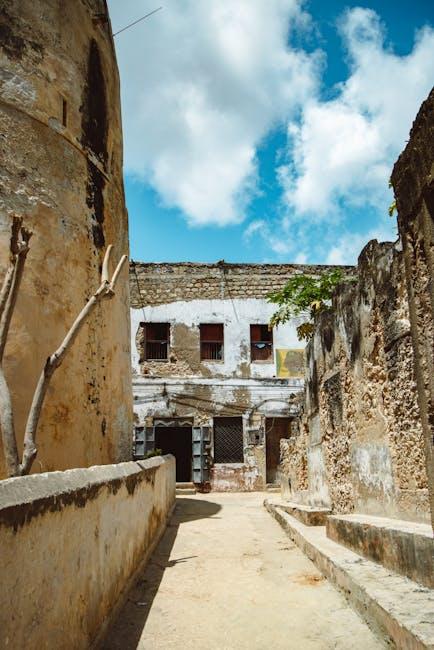
In a new analysis released today, the best travel destinations for cultural immersion are ranked, highlighting places where visitors can participate in living traditions, engage directly with local communities, and support heritage without adding to overtourism pressures.
The ranking assesses cities, regions, and countries across six continents using weighted measures that include community-led tourism programs, access to language and craft apprenticeships, festival and ritual participation, protections for culinary and intangible heritage, traveler affordability, and safeguards against cultural commodification. Sources include tourism board data, UNESCO listings, NGO reports, and traveler surveys, alongside on-the-ground reporting.
Amid a broader shift from checklist tourism to meaningful exchange, the findings point to destinations investing in authenticity and resident benefit-signaling where travelers can go now to learn more, spend locally, and leave lighter footprints.
Table of Contents
- Kyoto Oaxaca and Fez Lead Cultural Immersion Rankings With Workshops Festivals and Community Guides
- Book Tea Ceremony Lessons in Uji Take Mole Classes at Mercado Benito Juarez and Join Chouara Tannery Tours
- Plan Visits for Gion Matsuri Guelaguetza and the Fez Festival of World Sacred Music to Deepen Local Access
- To Wrap It Up
Kyoto Oaxaca and Fez Lead Cultural Immersion Rankings With Workshops Festivals and Community Guides
Based on program density, community oversight, and opportunities for visitor participation, the latest editorial index places Kyoto, Oaxaca, and Fez at the top for immersive travel, citing robust hands-on workshops, festival access beyond spectator level, and trusted neighborhood guide networks that prioritize cultural integrity alongside traveler learning.
- Kyoto – Artisans open studios for kintsugi, indigo dyeing, and wagashi classes; summer schedules align with Gion Matsuri practice sessions; community-led walks in Higashiyama and Nishijin cap group sizes and channel fees to preservation funds.
- Oaxaca – Village co-ops host alebrije carving in San Martín Tilcajete and backstrap weaving in Teotitlán del Valle; travelers can join rehearsal circles for the Guelaguetza and artisan-led altars during Día de los Muertos; certified community guides coordinate mezcal palenque visits with fair-pay agreements.
- Fez – Medina apprenticeships introduce zellige tiling, brasswork, and leathercraft at cooperative ateliers; calendars sync with the Fes Festival of World Sacred Music and neighborhood moussem; licensed local guides map low-impact routes that support craft guilds and youth training.
- What sets them apart – Transparent pricing for classes, resident ownership of experiences, multilingual guide training, and festival frameworks that invite contribution (not extraction) while documenting cultural protocols for visitors.
Book Tea Ceremony Lessons in Uji Take Mole Classes at Mercado Benito Juarez and Join Chouara Tannery Tours
Hands-on traditions are drawing culture-focused travelers to three craft capitals: formal tea instruction in Uji highlights precise ritual and terroir-driven matcha; market-to-kitchen mole workshops in Oaxaca City leverage the ingredient networks of Mercado Benito Juárez; and guided vantage-point visits over Fez’s historic Chouara Tannery contextualize leather-making’s labor, smell, and color with on-the-ground expertise.
- Uji, Japan: Reserve small-group chanoyu lessons in tatami rooms; expect guidance on utensil handling, whisking technique, and seasonal wagashi pairing. Weekday mornings are quieter; observe footwear etiquette, keep voices low, and avoid strong fragrances that interfere with aroma.
- Oaxaca City, Mexico: Choose market-anchored mole classes that begin with ingredient sourcing at Mercado Benito Juárez before moving to a teaching kitchen. Verify transparent pricing for chiles, cacao, and spices, ask about vegetarian adaptations, and look for programs that credit local families and pay fair wages.
- Fez, Morocco: Join licensed-guide tours of the Chouara Tannery; view dye and curing vats from terrace lookouts, accept mint sprigs if offered for the pungent air, and prioritize ethical photography (consent and no obstructing work). Shop from cooperatives when possible and follow safety instructions on narrow rooftops.
Plan Visits for Gion Matsuri Guelaguetza and the Fez Festival of World Sacred Music to Deepen Local Access
With marquee festivals drawing record numbers post-reopening, travelers seeking deeper community access should prioritize rehearsal windows, neighborhood-based lodging, and resident-led venues; officials and organizers in Japan, Mexico, and Morocco confirm that arriving midweek, using public transit, and adhering to local etiquette consistently improve proximity, safety, and cultural exchange while easing pressure on host districts.
- Kyoto – Gion Matsuri (July): Target yoiyama evenings before the Yamaboko Junko processions (17 & 24 July) for townhouse open-houses; book machiya stays around Shijō-Karasuma; rely on subway/Hankyu lines; avoid touching floats, keep laneways clear; look for community-run byōbu displays and craft briefings; purchase chimaki directly from neighborhood teams to support preservation.
- Oaxaca – Guelaguetza (late July): Secure official seats at Auditorio Guelaguetza for the two “Mondays on the Hill,” then pivot to free convites and calendas in barrios; base near Jalatlaco/Xochimilco for walkable access; visit Tlacolula and Teotitlán del Valle on non-performance days; ask permission before photos of dancers; seek community workshops on backstrap weaving and mezcal with transparent producer fees.
- Fez – Festival of World Sacred Music (June, dates vary): Pair ticketed nights at Bab al Makina with free medina sets and Sufi “Nights in the Medina”; stay inside Fes el-Bali for dawn/evening acoustics; hire licensed guides for crowd-safe routing; dress modestly and maintain silence during sacred repertoires; confirm prayer times to avoid bottlenecks near major mosques.
- Timing & tickets: Purchase early-release passes (and secondary-night alternatives) to reduce scalping; favor weekday performances and rehearsals for closer artist access; monitor municipal advisories for road closures and security zones.
- Mobility & safety: Use designated viewing corridors and accessible seating (Auditorio Guelaguetza offers limited spots); carry cash for small purchases and donations; keep to one small daypack to ease screening points.
- Local economy first: Book resident-owned stays and eateries; verify craft provenance; tip festival crews and guides at local rates; avoid short-term rentals in streets flagged by neighborhood councils for over-tourism.
- Culture & conduct: Learn greetings (Japanese, Zapotec/Mixtec, Darija/Arabic); follow photography rules; refrain from flash during rituals; dress for heat but with shoulders/knees covered where customary.
- Transit & footprint: Opt for rail/bus into city centers; walk within cordoned districts; refill bottles at marked stations; respect waste-sorting norms near venues and shrine precincts.
To Wrap It Up
As with any ranking, these results reflect the indicators and timeframe analyzed, including community-led experiences, cultural infrastructure, festival density, language-learning access, affordability, and traveler safety. Conditions on the ground can shift quickly due to policy changes, seasonality, and global events.
For travelers seeking depth over speed, the destinations highlighted offer structured pathways into local life-from homestays and indigenous-guided tours to apprenticeship-style workshops-while balancing accessibility with preservation. Responsible engagement remains central: observe local protocols, support community-run businesses, and prioritize experiences that compensate cultural stakeholders fairly.
Editors will continue to track developments and update this list as new data becomes available. Prospective visitors should consult current entry rules, advisories, and ethical tourism guidelines before booking. In an increasingly connected world, cultural immersion is less about discovery than reciprocity; this ranking is a starting point, not a script.