

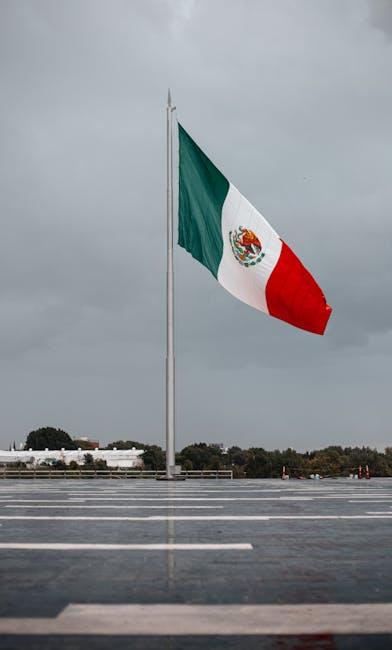
Latin America’s living cultures are reshaping the region’s tourism map, as travelers pivot from checklist sightseeing to experiences rooted in heritage, community and the arts. From Indigenous festivals and Afro-Latin music traditions to contemporary museum districts and craft workshops, demand for immersion is rising and itineraries are shifting beyond capital-city circuits.
This report spotlights standout cultural experiences across the region, selected for their access to local custodians, historical relevance and traveler practicality. It spans marquee events-Carnival, Day of the Dead, Inti Raymi-alongside quieter, year-round encounters in markets, studios and neighborhoods where culture is practiced rather than staged. It also reflects a broader trend: governments and communities are investing in cultural routes, museum upgrades and creative districts, while new air links to secondary cities make once-distant centers easier to reach.
Responsible travel considerations run through the list. Many experiences are seasonal, ticketed or capacity-limited; some sites face overtourism; others depend on community-led guides. Readers will find notes on timing, etiquette and impact where relevant. The result is a practical guide to the region’s top cultural travel opportunities now-grounded in place, open to visitors, and shaped by the people who keep these traditions alive.
Table of Contents
- Inside Oaxaca Living Traditions From Tlacolula Market Tastings to Mezcal Palenques with Certified Guides
- Inti Raymi in Cusco Best Viewpoints Booking Windows Ethical Operators and How to Beat the Crowds
- Afro Brazilian Heritage in Salvador Pelourinho Roda de Capoeira Safe Routes and Community Led Tours
- The Conclusion
Inside Oaxaca Living Traditions From Tlacolula Market Tastings to Mezcal Palenques with Certified Guides
With Oaxaca’s Sunday tianguis in Tlacolula drawing growers, cooks, and weavers from the valleys, accredited cultural guides now pair market tastings with field visits to family palenques, offering a verifiable, safety-forward window into everyday traditions and the mezcal economy. On guided circuits, visitors sample staples-tlayudas seared over clay comales, lamb barbacoa slow-steamed in maguey, stone-ground moles, heirloom corn memelas, and the cocoa-corn drink tejate-before tracing agave’s path from milpa to still in Santiago Matatlán. At the distilleries, palenqueros demonstrate earthen-pit roasts, tahona milling, wild fermentation, and copper or clay-pot distillation, while guides decode DO rules, terroir, and sustainability risks tied to wild agave. The reporting shows a shift toward community-led, certified tours that prioritize fair pay, traceable provenance, and small-batch transparency-aimed at curbing bait-and-switch tastings and unregulated transport.
- What to taste: chapulines, seasonal fruit, pan de yema, artisanal chocolate, regional moles.
- How it’s made: agave varietals identified on-site; roast, crush, ferment, distill; proofing and cuts explained.
- Standards and safety: licensed guides, seat-belted transport, hygiene at stalls, moderation policies for alcohol.
- Culture and protocol: permission for photos, payment for samples, respect for indigenous languages and attire.
- Impact: revenue stays with producer families; replanting commitments; limits on wild harvests.
Inti Raymi in Cusco Best Viewpoints Booking Windows Ethical Operators and How to Beat the Crowds
Cusco’s June 24 spectacle unfolds in three acts-sunrise rites at Qorikancha, a brief staging in Plaza de Armas, and the full ceremony at Sacsayhuamán-drawing tens of thousands and triggering citywide closures; officials and local operators confirm that color‑coded grandstands at Sacsayhuamán sell out weeks in advance, while elevated barrios like San Blas and San Cristóbal offer overflow views; municipal sources typically release tickets in April-May via EMUFEC and accredited agencies, prompting a 60-90 day booking window, with ethical guidelines emphasizing licensed guides, transparent pricing, and community benefit; crowd management advisories stress early positioning, foot access via historic stairways, offline navigation, and planned exits to avoid post‑ceremony gridlock.
- Best viewpoints: EMUFEC grandstands at Sacsayhuamán (clear sightlines, numbered seats); hillside lookouts near Cristo Blanco and Mirador San Cristóbal; hotel/restaurant terraces around Avenida El Sol for Qorikancha dawn segment (consumption often required).
- Booking windows: Monitor EMUFEC announcements from April; join agency waitlists by late March; secure seats 2-3 months out; avoid last‑minute street resales and confirm seat codes before payment.
- Ethical operators: DIRCETUR‑licensed, EMUFEC‑authorized; publish face value vs. service fee; employ local staff at fair wages; provide no‑drone pledges, waste‑free policies, and community‑support contributions.
- Beat the crowds: Arrive at Qorikancha by 06:30; move to Sacsayhuamán via Cuesta de San Blas/Don Bosco steps before 10:30; carry water, sun protection, and a seat pad; download offline maps as networks jam; plan to exit on foot toward San Blas or San Cristóbal rather than backtracking to Plaza de Armas.
Afro Brazilian Heritage in Salvador Pelourinho Roda de Capoeira Safe Routes and Community Led Tours
In Salvador’s historic center, drumming rehearsals and capoeira circles draw residents and visitors into a living Afro-Bahian archive, while neighborhood associations collaborate with licensed guides to chart well-lit corridors between squares and studios; by booking with cooperatives, travelers support cultural schools and gain context on Candomblé roots, abolition-era landmarks, and the etiquette that keeps performers and spectators safe.
- When: Late afternoon to early evening (17:00-20:00) for the most active circles; weekends see larger gatherings.
- Where: Largo do Cruzeiro de São Francisco, Terreiro de Jesus, and Praça da Sé, with patrols and camera coverage along connecting streets.
- How: Meet at co-op kiosks or official tourism booths; use registered taxis or app pick-ups on Rua Chile or Praça da Sé for well-monitored arrivals and exits.
- Cost: Tip jars at circles (R$10-R$30 typical); community-led walks from R$80-R$150 per person, with portions earmarked for youth training.
- Accessibility: Cobblestones can be uneven; some routes use gentler grades via Rua Chile and Elevador Lacerda plazas; request step-light itineraries.
- Etiquette: Clap the rhythm, no flash, keep the entrance to the circle clear, ask consent before filming, and follow the mestre’s signals.
- Impact: Fees help fund percussion workshops, uniforms, and safe-passage escorts for night rehearsals.
The Conclusion
As borders reopen and itineraries lengthen, Latin America’s deepest draw remains the breadth of its living traditions-festivals that anchor civic life, cuisines born of layered histories, and communities preserving languages and rituals against the tide of globalization. The region’s cultural map is widening, but so are the pressures: crowding at headline sites, commercialization of sacred observances, and uneven economic benefits for host communities.
Policy and practice are shifting in response. Visitor caps, community-led guiding, and heritage reinvestment schemes are being tested from the highlands to the coast, with mixed but instructive results. The trajectory will hinge on coordination among local authorities, cultural custodians, and an increasingly conscientious class of travelers.
For now, the signal is clear. Those seeking Latin America’s top cultural experiences will find them most intact where engagement is informed, spending is local, and pace is measured. The story of the region’s past and future is still being told-best heard, stakeholders say, by those willing to listen.