

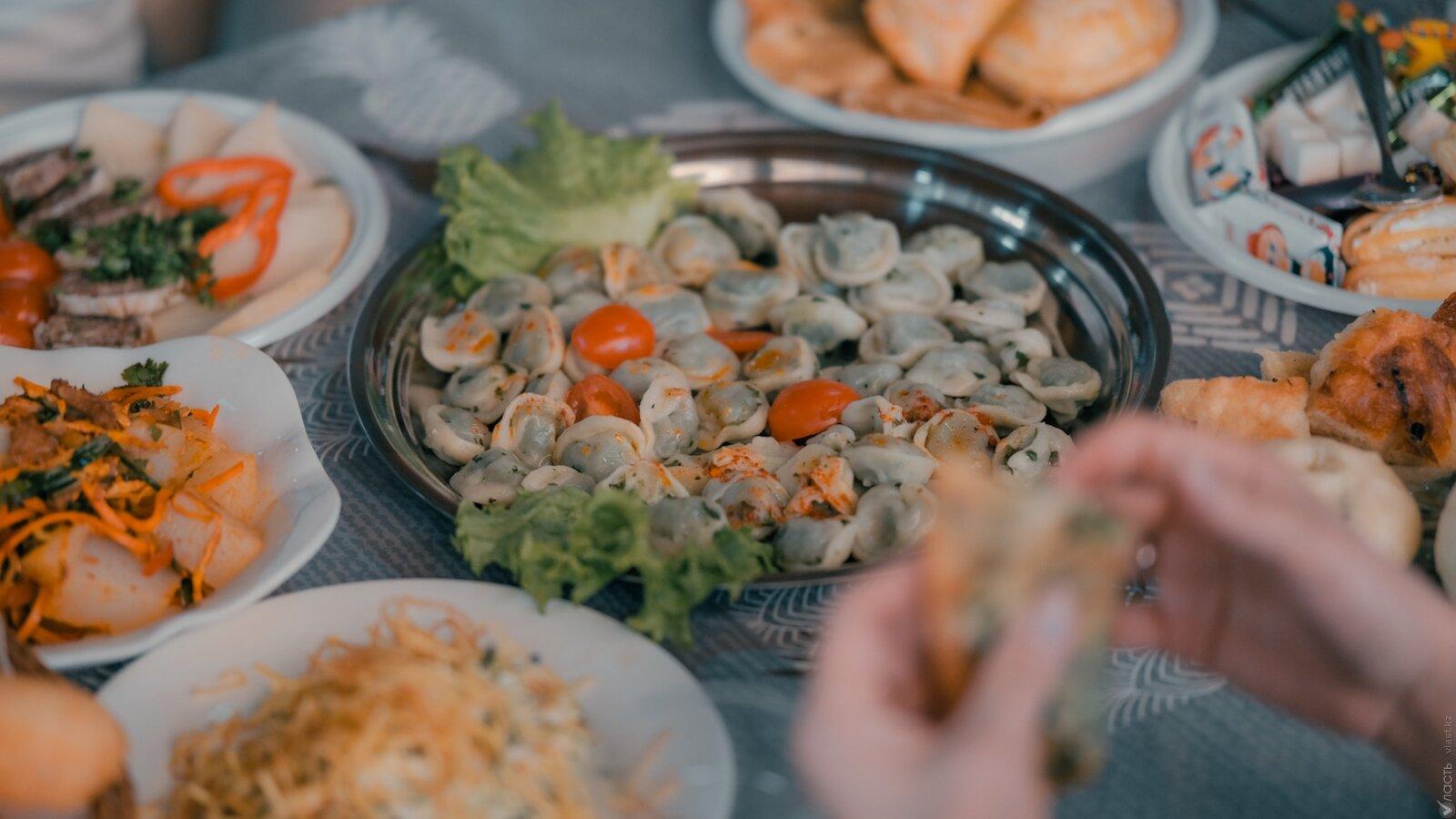
As cities and nations vie for attention in a crowded global marketplace, food has emerged as a powerful shorthand for place, history and belonging. From battles over geographical indications to UNESCO heritage listings and viral authenticity debates online, local dishes are increasingly standing in for broader questions of identity, ownership and cultural memory.
This article examines how cuisine functions as both a living archive and a political instrument. It looks at the ways migration reshapes menus, how climate and supply chains alter taste and tradition, and why disputes over names and origins often track deeper tensions about borders, diaspora and power. Through markets, home kitchens and restaurant dining rooms, the story follows the people who make and defend local food-producers, cooks, consumers and policymakers-and asks what’s at stake when recipes travel, evolve or are commercialized. The findings point to a simple conclusion with complex implications: what’s on the plate is never just about flavor; it’s a record of who gets to define “local,” who profits from that definition, and how communities negotiate continuity in a changing world.
Table of Contents
- From Street Stalls to Festival Feasts How Staple Ingredients Signal Identity and History
- How to Eat with Respect Questions to Ask Dishes to Order Customs to Follow
- Where to Go for Insight Morning Markets Family Canteens and Seasonal Pop Ups
- Closing Remarks
From Street Stalls to Festival Feasts How Staple Ingredients Signal Identity and History
Staples act like passports, moving from curbside griddles to holiday tables while carrying timelines of migration, trade, and belief. Their everyday presence on plastic plates and their ceremonial appearance in heirloom bowls reveal class mobility, regional pride, and the afterlives of empire. Follow the grain and you find routes of labor; follow the spice and you trace ritual calendars. Markets democratize taste; festivals codify meaning. In both arenas, the same ingredient can whisper survival or declare celebration, and the shift in preparation-fermented or fried, stewed or steamed-signals who we are trying to remember, and who we hope to be.
- Maize (Americas): Street tacos vs. ceremonial tamales highlight Indigenous continuity and colonial adaptation.
- Rice (South & Southeast Asia): Quick idli or nasi goreng contrasts with festival biryanis, mapping trade-era spice routes.
- Wheat & Chickpeas (Levant/North Africa): Falafel stands and holiday couscous express diaspora ties and agrarian cycles.
- Cassava (West/Central Africa): Garri on the go versus celebratory fufu encodes resilience amid cash-crop histories.
- Cornmeal & Greens (U.S. South): Hushpuppies and roadside plates mirror reunion spreads, charting Black foodways and migration.
How to Eat with Respect Questions to Ask Dishes to Order Customs to Follow
Across dining rooms and street stalls, locals say respect is tasted as much as it is seen: ask before assuming, match the table’s rhythm, and let ingredients tell their seasonal and spiritual stories-small decisions that signal you’re there to learn, not to perform.
- Questions to Ask
- What is the house specialty today, and why does it matter here?
- How is this eaten traditionally (hands, bread, chopsticks, right hand only)?
- Are there ingredients to avoid for religious, seasonal, or sustainability reasons?
- What’s the polite way to decline alcohol or join a toast?
- Is sharing expected, and who is served first?
- Dishes to Order
- A daily staple that anchors local diets (grain, bread, noodle, tuber).
- A regional or festival dish tied to place and memory.
- A humble, working‑class classic that honors everyday taste.
- A low‑impact or plant‑forward option where scarcity is a concern.
- Customs to Follow
- Match the host’s pace; avoid finishing far ahead or behind.
- Accept lightly on the first offer; the second often confirms consent.
- Keep phones and personal items off the table.
- Pour for others before yourself; leave a modest bite if that signals sufficiency.
- Ask before photographing people or ritual foods.
Where to Go for Insight Morning Markets Family Canteens and Seasonal Pop Ups
For ground-level evidence of how cuisine encodes belonging, start before sunrise at wholesale markets, pivot to midday family canteens, and follow the calendar into seasonal pop-ups-places where prices, queues, dialects, and plating protocols read like policy documents in miniature.
- Morning markets: Portside fish auctions, highland produce exchanges, and station-adjacent breakfast alleys; observe crate markings, bargaining rituals, and first-serve dishes that telegraph regional pride.
- Family canteens: Factory lunchrooms open to the public, municipal workers’ mess halls, temple or gurudwara kitchens, and neighborhood club cafeterias; watch rota cooking, tiffin flows, cashless chits, and seat rotation by seniority.
- Seasonal pop-ups: Ramadan evening bazaars, Lunar New Year night stalls, harvest-thresher feasts, maple sugar shacks, monsoon crab shacks, and truffle fairs; track temporary permits, migrating pitmasters, and once-a-year flavors that set local calendars.
- Field notes: Ask for the “worker’s plate,” scan multilingual boards, log weekday vs. festival pricing, and map pre-dawn supply trucks to trace provenance and power.
Closing Remarks
As migration reshapes neighborhoods and climate pressures alter harvests, local dishes continue to register change in real time. Markets adapt, recipes evolve and restaurant menus become public ledgers of what a place has, values and remembers. The search for “authenticity” remains contested, but the everyday choices of cooks and consumers show how tradition and innovation routinely share the same table.
Policy, too, is in the mix. From school meals and protected-origin labels to urban farming and street-vending rules, officials are setting parameters that influence which stories survive on the plate. Meanwhile, social media accelerates the spread of techniques and tastes, even as families and community groups work to keep slower, place-bound knowledge intact.
What emerges is less a fixed identity than a living record. Whether served in a home kitchen or a pop-up stall, local cuisine functions as archive and antenna: preserving memory, signaling change and mediating belonging. For communities navigating demographic shifts and environmental uncertainty, the food on offer remains one of the clearest windows into who they are-and who they are becoming.