

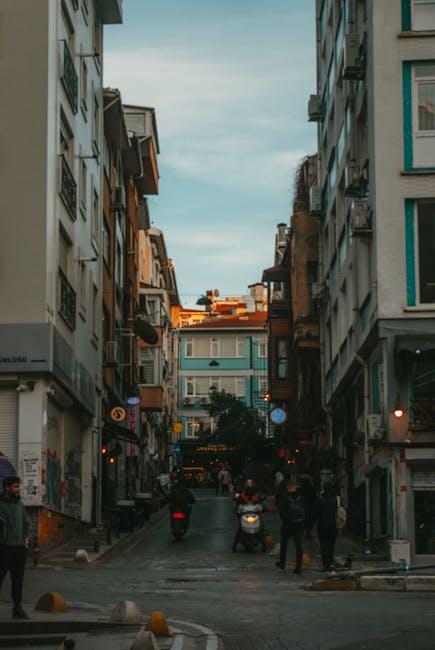
A new report spotlights the top global destinations for local culture, elevating places where traditions are lived rather than staged and where community voices shape the visitor experience. The list highlights cities and regions that center neighborhood markets, vernacular architecture, grassroots arts, and culinary heritage as part of daily life-not just as attractions.
The findings land amid a broader shift in traveler behavior, with authenticity and sustainability increasingly driving decisions. Rather than rewarding sheer popularity, the analysis emphasizes depth of cultural participation, support for artisans and cultural institutions, and local policies that safeguard heritage while welcoming guests. It also underscores the risks that come with recognition, including overtourism and the commodification of identity.
For the destinations named, the nod represents both opportunity and obligation: a chance to channel spending to small businesses and cultural stewards, and a reminder to protect the very practices that set them apart. For travelers, it offers a roadmap to engage more thoughtfully-and leave a lighter footprint.
Table of Contents
- Data Driven Rankings Identify Standout Regions for Authentic Cultural Immersion
- Neighborhood Hotspots and Shoulder Season Windows Offer Deeper Access with Fewer Crowds
- Recommendations Favor Community Run Stays Traditional Markets and Licensed Guides to Keep Benefits Local
- In Conclusion
Data Driven Rankings Identify Standout Regions for Authentic Cultural Immersion
Aggregating 18 indicators-from local business ownership and language vitality to festival longevity, craft guild density, UNESCO intangible heritage registrations, and transit access to historic quarters-the index surfaces regions where everyday life, not staged spectacle, drives the visitor experience. Using open municipal datasets, booking-platform metadata, mobility feeds, and social listening on authenticity signals, analysts found that mid-sized and rural areas consistently outperformed capital cities on measures of community governance, price transparency, and seasonal dispersion. Notable high scorers include Mexico’s Oaxaca Valley, India’s Kerala Backwaters, Italy’s Puglia, Peru’s Sacred Valley, South Korea’s Jeju, and Romania’s Transylvania-destinations where locally owned eateries exceed chain presence, market-to-museum ratios favor street culture, and heritage participation remains intergenerational. The rankings also flag early-warning metrics-crowding elasticity, short-term rental saturation, and cultural venue churn-to track sustainability risks as demand accelerates.
- Top-performing archetypes: wine-and-craft regions (e.g., Kakheti), coastal agrarian belts (Puglia), highland cultural corridors (Sacred Valley).
- Core strengths observed: majority-local ownership of hospitality, high share of community-run festivals, robust apprenticeship pipelines in traditional crafts.
- Access and equity factors: reliable public transit to heritage hubs, fair-wage certification in tour operations, multilingual signage prioritizing indigenous languages.
- Traveler takeaways: choose neighborhoods with weekly markets, verify host ownership, favor venues listed by cultural cooperatives, and time visits to off-peak festivals.
Neighborhood Hotspots and Shoulder Season Windows Offer Deeper Access with Fewer Crowds
According to the report, timing trips to the edges of peak season opens doors to resident-run kitchens, indie galleries, and neighborhood markets-often at calmer tempos and with easier reservations-especially in districts where creative scenes anchor daily life.
- Lisbon – Mouraria & Intendente (Mar-Apr; Oct-Nov): Fado houses and tile studios welcome walk-ins, with quieter evenings around Martim Moniz and smoother access to heritage workshops.
- Kyoto – Nishijin & Demachiyanagi (late Jan-mid Mar): Textile ateliers and tea salons open their doors in cool, clear weather, with fewer tour groups along Kamogawa paths.
- Mexico City – Roma/Condesa & Santa María la Ribera (May; Sep): Between major holidays, neighborhood pulquerías, weekend bazaars, and Art Nouveau landmarks feel local-first.
- Istanbul – Kadıköy & Moda (Apr; Oct): Meyhanes, vinyl shops, and waterfront ferries are easier to navigate, offering fuller conversations with vendors and chefs on the Asian side.
- Barcelona – Sant Antoni & Poble-sec (Feb-Mar): Vermuterías and bodega bars hum at a relaxed clip, while Montjuïc lanes and contemporary art spaces see lighter footfall.
- Cape Town – Woodstock & Observatory (May-Jun): Gallery nights and coffee roasters set the pace; bookings at chef-led tables are more attainable beyond summer’s surge.
- Hanoi – Ba Đình & Trúc Bạch (late Apr-May): Bia hơi corners and wet markets are lively yet breathable, with gentler queues at heritage houses and lakeside pagodas.
- Marrakech – Kasbah & Sidi Ghanem (Jan-early Feb): Cooler days draw artisans into the open; design showrooms and courtyards welcome longer, unhurried visits.
- Athens – Koukaki & Pangrati (Nov): Neighborhood cafes and art cinemas lead, while access to Acropolis-area museums and hill walks is notably smoother.
Recommendations Favor Community Run Stays Traditional Markets and Licensed Guides to Keep Benefits Local
According to the report, directing visitor spend toward community-owned stays, heritage-rich marketplaces, and accredited guiding services is emerging as a cornerstone of destination stewardship, with officials and industry partners urged to prioritize transparent supply chains, fair labor practices, and cultural custodianship to reduce economic leakage and safeguard living traditions.
- Stay in community-run lodging: prioritize cooperatives, Indigenous- or resident-owned guesthouses, and homestays verified by local tourism boards or social enterprise labels.
- Shop at traditional markets: purchase crafts and food where provenance is traceable, seeking maker names, regional materials, and on-site production to ensure earnings reach artisans.
- Book licensed guides: choose certified professionals listed by municipal or national registries, with proof of training in safety, interpretation, and cultural protocols.
- Use official channels: reserve tours and experiences via destination-managed platforms or recognized community associations that publish price transparency and reinvest locally.
- Ask about revenue split: request clarity on how fees are shared among hosts, guides, and collectives; prefer operators disclosing community royalties and conservation funds.
- Verify certifications: look for government permits, cooperative memberships, and credible sustainability standards; avoid unlicensed brokers and cash-only intermediaries.
- Support seasonal and regional products: favor foods and crafts tied to local calendars and materials, reinforcing livelihoods tied to place rather than mass-imported goods.
- Tip and pay locally: use local currency and digital wallets supported by community vendors; tip within published guidelines to ensure frontline workers benefit directly.
In Conclusion
Taken together, the findings point to a broadening map of cultural travel, with historic capitals and smaller creative hubs alike drawing visitors on the strength of everyday traditions, independent businesses, and community-led events. For travelers, the ranking offers a roadmap to experiences rooted in place; for destinations, it reinforces the competitive value of safeguarding living heritage and supporting the people who sustain it.
The authors note that the results reflect a composite of factors, including resident and visitor surveys, density of cultural venues and events, and indicators of heritage preservation and small-business vitality. As economic conditions and mobility patterns evolve, so will the list. What appears clear is that demand for authentic, locally grounded culture is resilient-placing renewed pressure on cities to balance access with preservation as the next travel season approaches.