

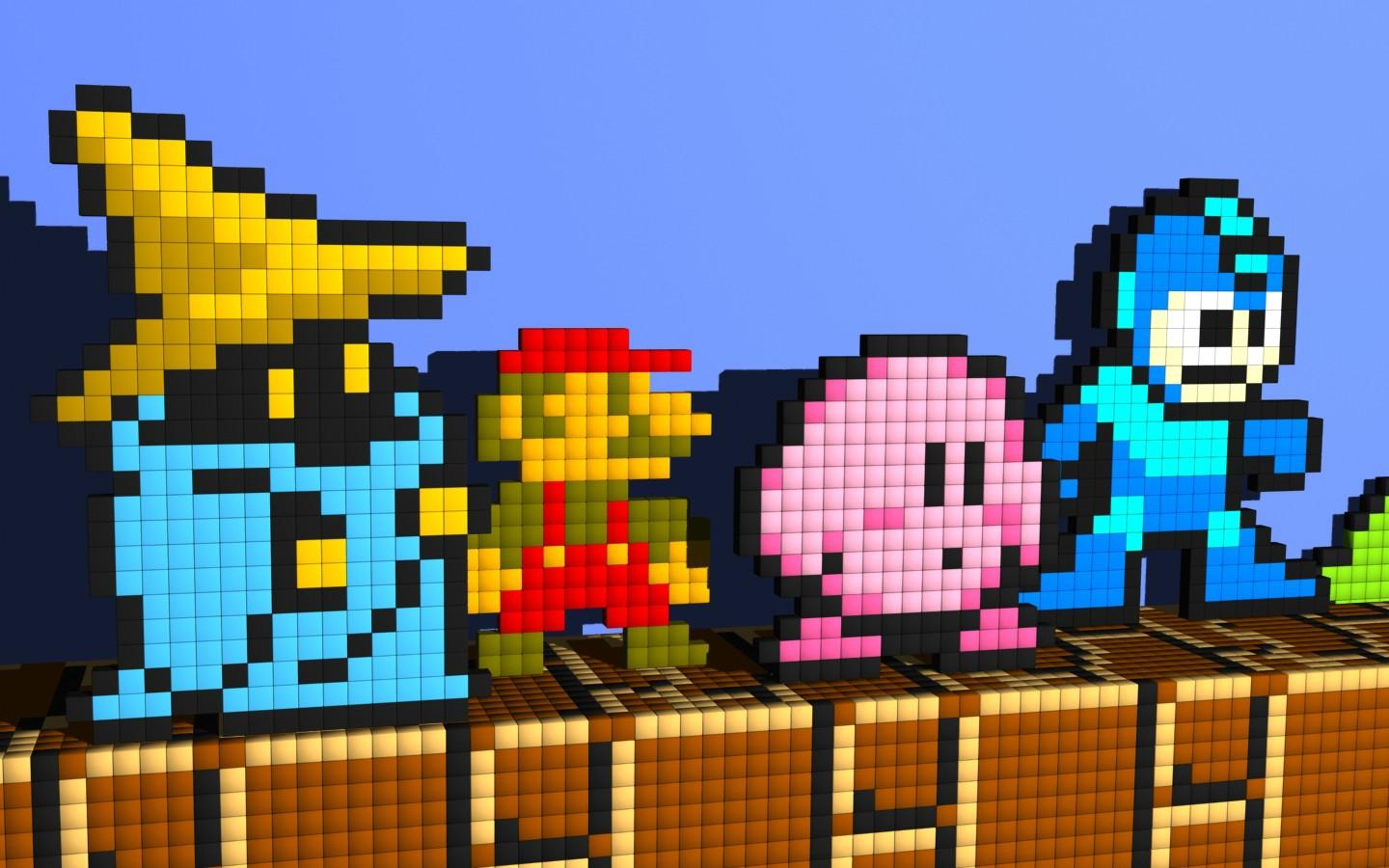
A new wave of retro gaming is moving from niche hobby to mainstream force, reshaping how entertainment brands sell the past and how consumers curate identity in the present. Publishers are reissuing classic titles, hardware makers are reviving old form factors, and streaming and social platforms are amplifying pixel-era aesthetics-driving a broader nostalgia boom that now stretches from fashion and film tie-ins to collectibles and themed venues.
Retailers report brisk sales of remastered compilations and modernized throwback consoles, while the resale market for original cartridges and discs continues to climb. Analysts say Gen Z and millennials-many discovering older catalogs through subscription services and influencers-are powering the trend, as comfort media habits, post-pandemic leisure shifts, and record-setting game auctions elevate retro from curiosity to cultural currency. The momentum is drawing fresh investment and sparking debate over preservation, emulation, and pricing, setting the stage for a high-stakes battle over who controls the future of gaming’s past.
Table of Contents
- Consumer Demographics Shift Toward Millennials and Gen Z Rediscovering 8 Bit and 16 Bit Classics
- Market Data Shows Surge in Retro Hardware Sales and Emulator Adoption with Forecasts Through 2027
- Brands and Retailers Can Monetize Nostalgia With Limited Runs Bundled DLC and Community Events
- Developers Advised to Blend Vintage Mechanics With Modern Accessibility and Preservation Standards
- The Way Forward
Consumer Demographics Shift Toward Millennials and Gen Z Rediscovering 8 Bit and 16 Bit Classics
Industry trackers say the nostalgia economy is no longer driven solely by Gen X collectors. Millennials with rising spending power and Gen Z creators are fueling a renewed appetite for 8‑bit and 16‑bit libraries, turning “retro” into a mainstream entertainment layer rather than a niche. Streaming-led discovery, affordable emulation, and boutique FPGA hardware are converging with curated subscription catalogs to pull cartridge‑era hits back into daily play, merchandising, and cultural conversation.
- Discovery flywheel: Short‑form video, speedruns, and challenge streams revive dormant franchises and surface deep cuts.
- Access over ownership: Subscriptions and legal collections lower barriers while preserving original aesthetics.
- Design appeal: Pixel art reads crisply on mobile and handhelds, aligning with creator toolchains and indie pipelines.
- Hardware nostalgia: FPGA handhelds, USB retro pads, and mini consoles bridge authenticity with modern convenience.
- Cross‑generational play: Parents share favorites with kids, translating into co‑op sessions and giftable bundles.
- Merch signals: Spikes in chiptune vinyl, era‑themed apparel, and collectible peripherals.
- Secondary market heat: Higher turnover in original carts and CRT accessories despite supply constraints.
- Indie echo: New releases channel 8/16‑bit sensibilities, extending the aesthetic cycle rather than parodying it.
- Brand tie‑ins: Limited drops and snack co‑brands trade on pixel iconography for quick cultural lift.
For marketers, the pivot is clear: prioritize back‑catalog licensing, time‑boxed limited editions, and community‑first activations with creator partnerships. Expect demand for physical‑digital bundles (soundtracks, art books, replica cartridges) and accessibility‑minded ports that respect original difficulty curves. As younger cohorts make retro their own, the winning play is authenticity-preserving tactile cues and audio signatures-while delivering modern conveniences like cloud saves, cross‑buy, and transparent mod support.
Market Data Shows Surge in Retro Hardware Sales and Emulator Adoption with Forecasts Through 2027
Analyst panels and retail trackers point to a meaningful upswing in the retro category, with classic consoles, FPGA-based systems, and refurbished handhelds moving briskly alongside a spike in emulator usage across PC and mobile. The rebound is buoyed by supply stabilization, influencer-led discovery, and the steady drip of official reissues, pushing unit turns at specialty retailers and marketplaces into sustained, double-digit territory. Emulator telemetry indicates a widening user base among 25-44 year-olds, while attach rates for controllers, flashcarts, and upscalers are climbing as enthusiasts seek near-original fidelity. The result: a flywheel where hardware nostalgia and software accessibility reinforce each other, extending session time and broadening platform diversity.
- Hardware momentum: Specialty channel sell-through reports double-digit YoY gains for FPGA consoles and refurbished handhelds.
- Emulator adoption: Monthly active users continue to expand across mobile and desktop, aided by cloud saves and shader presets.
- Accessory lift: Upscaler, controller, and capture-card bundles are driving higher average order values.
- Content discovery: Streamers and preservation communities are reviving long-tail titles, sustaining catalog demand.
- Cross-platform play: Consumers increasingly split time between original hardware and emulation, raising total engagement.
Forward-looking models suggest the segment sustaining a low-to-mid teens CAGR through 2027, with hardware remaining the revenue anchor while software, services, and community platforms scale faster. Forecasts indicate the installed base of modern retro devices will expand materially, while emulator monthly actives could surpass prior peaks as mobile storefront policies and controller support improve. By 2027, analysts expect a more balanced mix-roughly hardware-led today shifting toward a 55/45 hardware-to-digital blend-as legal licensing, indie remasters, and archival initiatives accelerate catalog monetization. Regional dynamics favor APAC and Western Europe for growth, but component availability, IP clearances, and handheld-PC competition remain the key variables to watch.
Brands and Retailers Can Monetize Nostalgia With Limited Runs Bundled DLC and Community Events
Retailers are translating the retro revival into revenue by pairing scarcity with story. Time-boxed drops of legacy titles, refreshed hardware, and apparel capsules sell through quickly when framed as cultural artifacts rather than simple reissues. The strongest performers bundle tangible keepsakes with digital value-soundtracks, cosmetic skins, or access to archival art-creating a cross-generational pitch that appeals to collectors and new players alike. Brands are also leaning into limited runs as appointment retail, using countdowns, lotteries, and location-based perks to fuel anticipation and reduce bot activity.
- Limited runs: Serialized packaging, maker notes, and region-specific variants that justify premium pricing and drive secondary-market buzz.
- Bundled DLC: Codes for bonus levels, OST downloads, and cosmetic packs tied to physical purchases, increasing attach rates and repeat visits.
- Community events: Launch-week tournaments, in-store nostalgia nights, and creator-led livestreams that convert hype into loyalty and first-party data.
Execution is shifting from one-off drops to a calendarized playbook. Publishers are coordinating with specialty retailers for staggered releases, early access for loyalty tiers, and “play-to-earn” rewards that unlock additional content post-purchase. At the same time, operators are tightening controls-preorder queues, anti-bot verification, and transparent print counts-to avoid backlash and counterfeit leakage. The commercial goal is clear: stack revenue across physical goods, digital upsells, and ticketed experiences without alienating core fans.
- KPIs to watch: Sell-through velocity (first 24-72 hours), DLC redemption rates, event attendance, email/SMS opt-ins, and resale price stability.
- Risk controls: Clear scarcity messaging, license compliance for archival content, and flexible fulfillment windows to manage supply shocks.
- Partnership levers: Co-branded capsules with influencers, museum/archive tie-ins, and retro arcades/pop-ups that extend campaigns beyond the screen.
Developers Advised to Blend Vintage Mechanics With Modern Accessibility and Preservation Standards
Analysts say studios can capture surging nostalgia without alienating new audiences by retaining the feel of legacy systems-tight hitboxes, frame-precise timing, and minimalist UI-while removing barriers that once stemmed from hardware limits rather than design intent. Producers are being urged to prioritize authentic input rhythms and period-accurate difficulty arcs, but package them with options that meet today’s expectations for comfort, inclusivity, and platform interoperability. The result, experts argue, is a product that reads as “original” to veterans yet onboards fresh players who expect standards set by modern indies and platform holders.
- Accessibility: full control remapping; scalable UI and fonts; color-blind safe palettes; subtitles and descriptive captions; photosensitivity-safe effects; difficulty assists (rewind, quick-saves, practice rooms) that are optional and clearly labeled.
- Input and comfort: latency calibration across displays; 50/60 Hz toggles; vibration and screen-shake sliders; consistent frame pacing on high-refresh hardware; motion blur and flashing reduction.
- Preservation-ready builds: emulation-friendly binaries; checksummed releases with version history; DRM-free archival editions; documented timing and RNG behavior; open metadata (controls, assets, credits, licenses) for museums and researchers; offline modes for services sunset.
Archivists note that integrating preservation practices at launch-including source asset escrow, localization files in open formats, and machine-readable credits-reduces legal and technical friction for future reissues, compilations, and academic use. Publishers, meanwhile, highlight the commercial upside: faithful mechanics paired with modern accessibility and archival guarantees extend catalog life, support speedrunning and community modding, and unlock regional markets where compliance, captioning, and seizure-safe visual standards are now table stakes for platform certification.
The Way Forward
As retro titles, remastered catalogs, and throwback hardware move from niche to mainstream, nostalgia has become a powerful lever across the games business-from marketing and merchandising to streaming and live events. Retailers, rights holders, and indie creators alike are cashing in on familiar aesthetics and legacy IP, even as debates over preservation, pricing, and access underscore the limits of sentiment.
Whether the resurgence endures beyond the current cycle will hinge on authenticity, availability, and how well companies balance reverence for the past with modern expectations. For now, the industry’s future is being shaped, in no small part, by its past.