

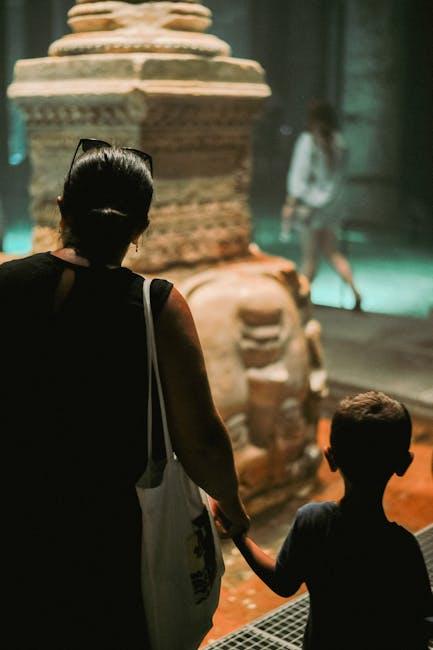
As global travel rebounds, a growing share of travelers is trading generic sightseeing for expert-led itineraries that put context first. Cultural tours-once a niche-now compete on the depth of their interpretation as much as on convenience. For history buffs, the difference between a good trip and a great one often hinges on who tells the story, how access is managed, and whether the past is presented with nuance.
This ranking identifies the best cultural tours for historically minded travelers, based on reporting across major operators and independent specialists. We evaluated programs on five core criteria: scholarly rigor and guide expertise; access to significant sites (including permits and after-hours entry); time on site versus transit; ethical engagement with local communities and conservation standards; and overall value, including group size, pacing, and transparency on inclusions. We prioritized itineraries that center local historians, integrate multiple perspectives, and acknowledge contested histories. Tours were considered from 2025 departures and verified for current operations.
What follows spans routes from ancient trade corridors to civil rights trails and heritage coastlines, highlighting trips where the itinerary’s promise is matched by on-the-ground substance. Here’s how the standouts stack up.
Table of Contents
- Context Travel in Rome and Pompeii archaeologist led walks best in April and October with skip the line access at the Forum and Naples Sotterranea
- Abercrombie & Kent on the Nile winter departures include private access in Luxor and Abu Simbel guided by licensed Egyptologists
- MIR Silk Road route in Uzbekistan and Kyrgyzstan May and September departures feature museum curator briefings and caravanserai homestays
- Key Takeaways
Context Travel in Rome and Pompeii archaeologist led walks best in April and October with skip the line access at the Forum and Naples Sotterranea
Context Travel earns a top-tier slot for serious antiquity seekers, pairing scholar-led walks across Rome and Pompeii with streamlined entry and field-grade interpretation; spring and shoulder-autumn windows-most notably April and October-bring cooler air, smaller crowds, and clearer sightlines as archaeologists unpack stratigraphy at marquee monuments and the subterranean layers beneath Naples, where coordinated priority entry at the Roman Forum and Napoli Sotterranea sustains pace and preserves time for analysis.
- Who leads: credentialed archaeologists and classical historians, with small-group caps for depth.
- Access edge: expedited entry at key checkpoints, including the Forum and Naples’ underground network.
- Seasonal sweet spot: April’s bloom and October’s soft light reduce heat stress and crowd pressure.
- What you learn: urban planning from Republic to Empire, eruption layers at Pompeii, subsoil engineering under modern Naples.
- Logistics: early starts, headset audio, and rail-linked itineraries integrating Rome, Naples, and Pompeii.
Abercrombie & Kent on the Nile winter departures include private access in Luxor and Abu Simbel guided by licensed Egyptologists
Abercrombie & Kent’s winter Nile sailings introduce crowd-free, timed entry at headline monuments in Upper Egypt, pairing these slots with interpretation led by licensed Egyptologists for a rigorously sourced, on-site narrative. Company advisories indicate pre-arranged access in Luxor‘s temple precincts and at Abu Simbel, with small-group caps and coordinated permits that translate to extended viewing, cleaner sightlines, and a tighter scholarly focus than standard cruise excursions.
- Private-access windows reduce congestion and allow deeper engagement with reliefs, cartouches, and architectural alignments.
- Expert-led guiding contextualizes dynastic chronology, iconography, and epigraphy with clarity and precision.
- Small groups and timed logistics minimize queuing and preserve quiet moments at key sanctuaries.
- Photography-friendly conditions improve angles and lighting opportunities, where site rules permit.
- Compliance-first operations align with Supreme Council of Antiquities protocols and formal permit procedures.
- Seamless coordination syncs transfers, security checks, and sailings to the access schedule for maximum site time.
MIR Silk Road route in Uzbekistan and Kyrgyzstan May and September departures feature museum curator briefings and caravanserai homestays
Rising near the top of this year’s list, MIR’s Central Asia circuit links Timurid capitals with Kyrgyz highland corridors and is scheduled for the cooler, crowd-light windows of May and September; on the ground, museum experts brief travelers inside key collections while overnights in restored caravanserai quarters turn archival narratives into lived context.
- Curator briefings, not lectures: Reserved sessions in national and regional collections provide conservation and provenance insight that reframes stops in Samarkand, Bukhara, and the Fergana-Osh corridor.
- Caravanserai homestays with standards: Select heritage sites adapted for overnight stays-stone vaults, felt-lined bays, stove-warm tea rooms-run with community oversight and light-touch amenities.
- Seasonal timing that matters: May and September departures avoid peak heat and bottlenecks, improving access windows and photographic light across monuments and high passes.
- Continuity of the Silk Road story: A single overland arc from Uzbek oasis cities to Kyrgyz mountain corridors tracks trade, belief, and empire transitions without fly-in/fly-out gaps.
- Why it ranks: Evidence-rich interpretation paired with place-based overnights delivers a depth mainstream itineraries rarely match.
Key Takeaways
From ancient capitals to contested frontiers, the tours ranked here reflect a balance of depth, access, and responsible practice. The order is based on the quality of interpretation by accredited experts, proximity to primary sites and collections, crowd management and conservation standards, traveler feedback on value and logistics, and the inclusion of local perspectives. Conditions on the ground can shift quickly-permits, capacity limits, restoration work, and security advisories may affect itineraries-so readers should confirm details before booking.
As repatriations, new excavations, and revised narratives reshape the historical record, leading operators are updating routes and scripts accordingly. The best cultural tour is one that adds context, centers source communities, and leaves sites intact for the next visitor. Use this ranking as a starting point, not a finish line, and expect future updates as new evidence emerges and access expands or contracts.