

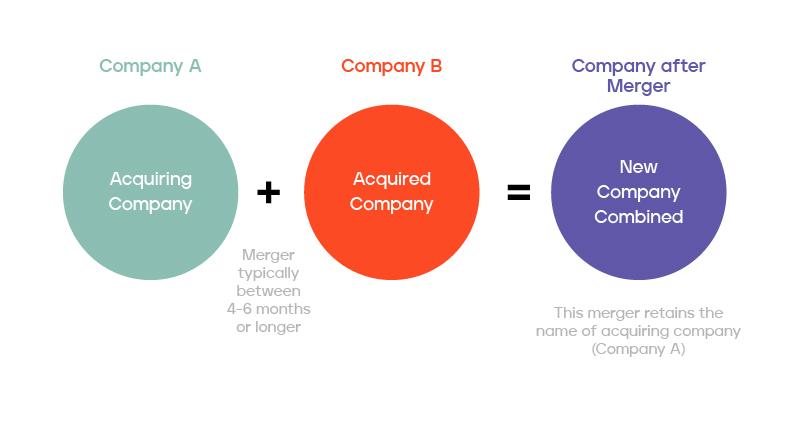
Deal-making is back on the front foot as boardrooms seek scale, new capabilities and resilient growth in a choppy economy. While financing remains selective and antitrust scrutiny intense, a fresh wave of strategic tie-ups and carve-outs is reshaping the competitive map across technology, energy, healthcare, media and financial services. Private equity is re-engaging as credit markets reopen, corporates are pruning non-core units to fund bets on higher-margin businesses, and cross-border combinations are testing the limits of national-security and industrial-policy regimes.
This briefing tracks the transactions with the greatest potential to move markets and redraw industry lines. Themes to watch include consolidation around artificial intelligence infrastructure and chips, rationalization in streaming and digital advertising, scale-seeking in payments and fintech, portfolio swaps tied to the energy transition, and pharma’s hunt for late-stage pipelines. The key variables: regulatory remedies in the U.S., Europe and the U.K., CFIUS and other security reviews, financing conditions in leveraged loans and investment-grade debt, and the posture of activist shareholders.
Below are the key deals to watch-what’s at stake, who the likely winners and losers are, and the milestones that will determine whether these transactions close or collapse.
Table of Contents
- Antitrust and National Security Flashpoints Shaping Tech and Healthcare Tie Ups
- Valuation Discipline Investors Should Demand, Including Earnouts, Collars, Reverse Termination Fees
- Integration Priorities Buyers Should Enforce, From Talent Retention to Cybersecurity and Culture Alignment
- Key Takeaways
Antitrust and National Security Flashpoints Shaping Tech and Healthcare Tie Ups
Dealmakers are colliding with a sharper convergence of competition and security policy, as the FTC and DOJ coordinate with CFIUS, the European Commission, and the UK CMA to stress-test tech-healthcare combinations that centralize sensitive data, computational power, or clinical rails; expect deeper second requests, cross-border remedies, and security mitigation (from data ring‑fencing to Special Security Agreements) to become standard for AI, cloud, and life sciences platforms seeking scale.
- Data dominance + cloud leverage: Scrutiny of AI/cloud vendors bundling with EHR and patient engagement tools, including concerns over default distribution, data lock‑in, and model training advantages.
- Sensitive personal data flows: Heightened review of genomics, biometrics, and location‑linked health data under CFIUS and EU FDI regimes; export controls and localization shape diligence and integration plans.
- Vertical foreclosure risks: Payer-provider-PBM stacks and device-software-data triads probed for exclusionary contracting, preferential access, and rebate steering.
- PE roll‑ups under the lens: Serial acquisitions in specialties and med‑tech distribution face cumulative effects analysis and post‑close monitoring.
- Foreign subsidies and security sourcing: EU Foreign Subsidies Regulation filings and supply‑chain resiliency checks (chips, sensors, APIs) now influence clearance timelines.
- Behavioral remedies skepticism: Enforcers favor structural fixes; where permitted, strict data siloing, API interoperability, and audit rights are table stakes.
- AI transparency expectations: Oversight of training datasets, model provenance, and safety commitments in clinical decision support to mitigate algorithmic bias and privacy spillovers.
Valuation Discipline Investors Should Demand, Including Earnouts, Collars, Reverse Termination Fees
With funding costs elevated and regulatory reviews slower, deal watchers say buyers must embed price protection and risk‑sharing that can survive scrutiny, steering term sheets toward concrete protections and transparent math across filings and roadshows:
- Earnouts: tie payouts to audited, GAAP-defined revenue or EBITDA with clear measurement dates, escrowed consideration, anti-gaming covenants, and make-whole language if mandated divestitures impair targets’ metrics.
- Collars: use fixed or floating exchange ratios with symmetrical bands, explicit walk‑away thresholds, and disclosure of cap/floor math so shareholders see dilution and premium retention across volatility scenarios.
- Reverse termination fees: scale to antitrust/CFIUS risk, include ticking fees for delays, and backstop with funded equity commitments and parent guarantees; detail “hell‑or‑high‑water” versus “reasonable best efforts” to clarify regulatory burden.
- Price-adjustment mechanics: rigorous working‑capital pegs, debt‑like item schedules, leakage protections, and tax attributes treatment to prevent post‑close value drift.
- Model transparency: synergy bridges with timing/one‑time costs, accretion/dilution under multi‑rate cases, and pro forma leverage hard caps tied to covenant headroom.
- Shareholder safeguards: go‑shop windows where viable, specific‑performance limits aligned with financing certainty, clear MAC carve‑outs, and disclosure around termination triggers.
Integration Priorities Buyers Should Enforce, From Talent Retention to Cybersecurity and Culture Alignment
From signing to Day 100, the margin for error narrows: value capture depends on securing the human core of the deal, fortifying digital perimeters, and aligning how decisions get made-without disrupting customers. Buyers are tightening playbooks with an Integration Management Office, clear decision rights, and measurable targets that prioritize continuity first, synergies second, and only then optimization.
- Critical talent: identify “must‑keep” roles in the first 10 days; tiered retention packages; milestone‑based stay bonuses; shadow org maps; weekly attrition heat maps for pivotal teams.
- Cybersecurity first: pre‑close clean teams and threat hunts; Day‑1 zero‑trust baselines; identity consolidation (SSO, MFA, PAM); EDR and email hardening; vendor access revocation; ransomware tabletop drills and disclosure readiness.
- Data governance: definitive data inventories; DPIAs and cross‑border transfer mechanisms; harmonized retention schedules; DLP by default; staged data integration with immutable logs.
- Culture and ways of working: decision‑rights charter; non‑negotiables and shared norms; leadership role‑modeling; manager toolkits; two‑way listening pulses; symbolic “firsts” that set tone.
- Customer continuity: account ownership rules; consent/novation checks; service‑level guarantees; pricing guardrails; churn watchlists and rapid‑response playbooks.
- Tech stack rationalization: application mapping and “kill list”; cloud tenant strategy (merge vs. multi‑tenant); API‑first integration; interim middleware to avoid disruption; cost‑to‑serve tracking.
- Regulatory and compliance: HSR/antitrust clean‑room protocols; hold‑separate controls; sector rules (HIPAA, SOX, GDPR, FCA/SEC) embedded in workstreams; auditable evidence trails.
- Third‑party risk: novation of critical suppliers; SLA continuity; cyber posture re‑validation; exit fees and rebate economics renegotiated early.
- Value tracking: baseline synergies with timing and confidence bands; run‑rate vs. one‑off separation; KPI dashboard; risk log with named owners and escalation paths.
- Communication cadence: Day‑1 scripts and FAQs; targeted updates for employees, customers, regulators, and investors; rumor containment and feedback channels.
Key Takeaways
As these transactions move from announcement to execution, the next inflection points will come from regulators, courts, and capital markets. Antitrust reviews in Washington, Brussels and London will shape deal terms and timelines, while shareholder votes and financing conditions determine whether headline valuations hold. Rising scrutiny of market concentration, data control and national-security concerns adds uncertainty, as do fluctuating rates and bank risk appetite for underwriting large debt packages.
Key milestones to watch include second-request outcomes, potential divestiture remedies, debt syndication progress, and any activist campaigns that could force price revisions or alternative bids. Integration plans, synergy targets and retention measures will also face early tests as management teams brief investors during the next earnings cycle.
With cross-border politics, sector-specific regulation and litigation all in play, the M&A calendar remains fluid. We will continue to track the rulings, revisions and closing timetables that decide which of these headline deals ultimately get over the line.