

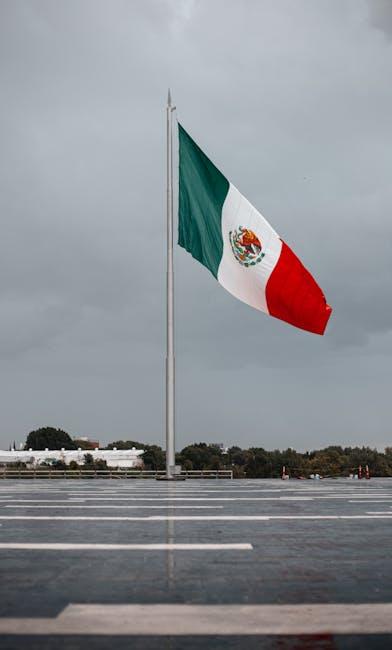
As travelers look beyond beaches and blockbuster ruins, Latin America’s cultural experiences are moving to the front of the itinerary. From Indigenous festivals in the highlands to Afro-Latin music scenes on the coast and cutting-edge urban arts, the region is offering deeper ways to engage with living heritage.
This report spotlights standout cultural travel experiences across Latin America, prioritizing authenticity, access to tradition-bearers, and responsible practices. Drawing on on-the-ground reporting and industry input, it highlights festivals, workshops, culinary routes, community-led tours, and museum circuits that connect visitors to the people and places shaping the region’s identity-without overwhelming them.
Table of Contents
- Oaxaca’s Guelaguetza and Zapotec Weaving Workshops Offer Immersive Encounters with Community Guides and Home Kitchens
- Cartagena and San Basilio de Palenque Deliver Afro Colombian Drumming Lessons Palenquero Language Walks and Family Run Eateries
- Sacred Valley Homestays and Quechua Cooking Classes Anchor Responsible Travel Beyond Machu Picchu
- Insights and Conclusions
Oaxaca’s Guelaguetza and Zapotec Weaving Workshops Offer Immersive Encounters with Community Guides and Home Kitchens
In Oaxaca, travelers are increasingly pairing the late-July spectacle of the Guelaguetza with small-group visits to Zapotec weaving towns, reporting close-up access to rehearsals, artisan workshops, and meals prepared in home kitchens. Community-led guides coordinate seats at Lunes del Cerro events, then drive visitors to Teotitlán del Valle and neighboring villages, where families demonstrate backstrap and pedal looms, natural dyes from cochineal and indigo, and the meaning behind traditional motifs before serving masa-to-comal tortillas, mole negro, and village mezcal. Organizers emphasize fair pay, small cohorts, and the region’s ethic of reciprocity-echoing guelaguetza’s mutual-aid roots and local tequio-while inviting guests to participate in dye vats, warp set-ups, and tortilla pressing, with clear protocols around photography, tipping, and purchasing directly from makers.
- Timing: The two Mondays after July 16 (Lunes del Cerro); rehearsals and calendas occur citywide in the preceding days.
- Where to go: Teotitlán del Valle, Santa Ana del Valle, and San Pablo Villa de Mitla for weaving cooperatives and family talleres.
- What to expect: Natural-dye demos, loom practice, rooftop parade views, tortilla and salsa lessons on clay comales.
- Etiquette: Ask before photos; avoid aggressive bargaining; dress modestly; carry small bills for direct purchases.
- Impact: Book via community collectives, prioritize naturally dyed textiles, and allow time for made-to-order pieces.
Cartagena and San Basilio de Palenque Deliver Afro Colombian Drumming Lessons Palenquero Language Walks and Family Run Eateries
Community collectives in Cartagena and the maroon stronghold of San Basilio de Palenque are rolling out immersive, community-run itineraries that pair hands-on percussion clinics with street-level language storytelling and home-cooked coastal cuisine: visitors learn syncopation on the tambor alegre and llamador from drumming masters safeguarding UNESCO-recognized traditions like lumbalú; decode everyday signage and greetings on guided Palenquero walks led by local teachers of Colombia’s only creole language; and sit down to market-to-table lunches in family patios featuring coconut rice, fried mojarra, patacones and seasonal sweets made famous by Cartagena’s palenqueras-an approach that channels tourism revenue to youth music schools and cultural centers while keeping groups small, travel times tight (roughly 90 minutes from the walled city) and the narrative firmly in community hands.
- How to experience: Book community-led workshops combining percussion, language strolls and a family-hosted meal; most sessions last half a day.
- What you’ll learn: Core rhythms, call-and-response singing, and practical Palenquero phrases contextualized by local history.
- Where you eat: Family-run eateries and home kitchens serving seasonal Afro-Caribbean staples; vegetarian options arranged on request.
- When to go: Mornings for cooler conditions; avoid peak midday heat. Weekend sessions often culminate in neighborhood jam circles.
- Etiquette: Ask before photos, dress modestly, tip musicians and cooks directly, and buy locally made instruments rather than mass-produced souvenirs.
Sacred Valley Homestays and Quechua Cooking Classes Anchor Responsible Travel Beyond Machu Picchu
Across Peru’s Andean highlands, community-run stays in Ollantaytambo, Maras, and Chinchero are redirecting visitor flows from overcrowded sites, pairing adobe guest rooms with kitchens where hosts teach regional staples such as quinoa lawa, uchucuta, and earth-oven pachamanca; programs are coordinated by village associations with transparent pricing, bilingual (Quechua-Spanish) instruction, and itineraries that fold in terrace farming, weaving collectives, and offerings to Pachamama-an approach that centers cultural continuity while keeping revenue, decision-making, and training within local households.
- What travelers do: Shop dawn markets in Urubamba, sort native potatoes, grind ají amarillo on a batán, cook with huacatay and muña, and share family-style almuerzos.
- Community safeguards: Small-group caps, rotating host schedules, fair pricing, and women-led kitchens linked to weaving income.
- Responsible conduct: Learn basic Quechua greetings, ask for photo consent, carry a refillable bottle, and follow waste-separation rules.
- How to book: Reserve through municipal tourism offices or registered cooperatives rather than third-party resellers to keep commissions on the ground.
Insights and Conclusions
From highland rituals and rainforest traditions to urban art corridors and culinary hubs, Latin America’s cultural landscape continues to diversify the region’s tourism offer while anchoring livelihoods at the local level. For travelers, access is broadening, but so are expectations: many communities now set clear visitor protocols, capacity limits and booking windows to safeguard heritage.
Industry observers point to a convergence of priorities-conservation, authenticity and economic resilience-that is reshaping itineraries as much as infrastructure. In practice, that means more indigenous- and Afro-descendant-led experiences, renewed investment in museums and historic districts, and an emphasis on guides with verified community ties.
The outlook remains dynamic. Festival calendars shift, restoration timelines evolve and environmental pressures can reroute plans with little notice. Travelers are advised to verify conditions, respect community guidelines and plan ahead-especially for marquee sites and seasonal events.
What is clear is the direction of travel: cultural experiences are no longer an add-on but a defining feature of the region’s tourism economy. How destinations balance visibility with preservation will shape the next chapter of Latin America’s story-and the journeys that follow.