

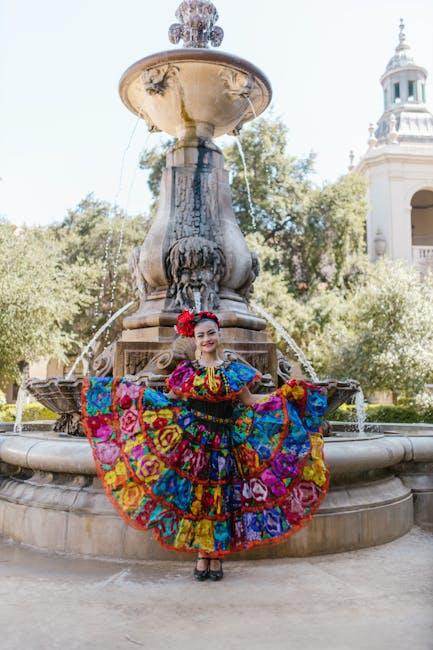
Cultural travel across Latin America is surging as post-pandemic visitors look beyond sun-and-sand itineraries to festivals, foodways, and community-led encounters. From highland rituals and Afro-Latin music hubs to modern art circuits and Indigenous-run homestays, destinations across the region are recalibrating tourism around heritage and local voices.
Governments and grassroots groups alike are investing in preservation and access, while airlines and tour operators expand routes and programs to secondary cities. The result is a broader, more nuanced map of experiences-many designed to spread visitor spend and reduce pressure on marquee sites.
This report identifies the standout cultural trips for the year ahead, prioritizing authenticity, community benefit, and logistical feasibility. It focuses on experiences that are bookable, responsibly managed, and compelling to travelers seeking context as much as scenery.
Table of Contents
- Indigenous Heritage Immersions With Community Guides in Oaxaca Cusco and Lake Titicaca Weaving Workshops in Teotitlán del Valle Amantaní Homestays and Qhapaq Ñan Day Hikes
- Culinary Pilgrimages Through Lima Mexico City and Buenos Aires Barranco Cooking Classes La Merced Market Tours and Parrilla Nights in Palermo
- Festival Hotspots to Time Your Trip Día de los Muertos in Oaxaca Inti Raymi in Cusco and Carnival in Salvador With Booking and Etiquette Tips
- Future Outlook
Indigenous Heritage Immersions With Community Guides in Oaxaca Cusco and Lake Titicaca Weaving Workshops in Teotitlán del Valle Amantaní Homestays and Qhapaq Ñan Day Hikes
Across southern Mexico and the Peruvian Andes, community-led travel is foregrounding Indigenous voices: in Teotitlán del Valle (Oaxaca), Zapotec maestros open their talleres for hands-on weaving sessions that trace natural-dye palettes from cochineal to indigo, while participants practice loom techniques and decode traditional motifs; around Cusco, certified local guides lead day hikes on the Qhapaq Ñan-including routes like Chinchero-Urquillos and Huchuy Qosqo-pairing Inca engineering with living Quechua stewardship; on Lake Titicaca, rotational homestays on Amantaní connect travelers to family life, from quinoa soups and muña tea to seasonal farming and community dance nights, with fees set by assemblies to keep benefits local and transparent.
- Access: Book via village committees, women’s cooperatives, or municipal tourism offices; ask for Spanish- or Quechua-/Zapotec-speaking guides with community accreditation.
- Seasonality: Andes treks are clearest May-September (dry season); Oaxaca workshops operate year-round but may follow family schedules and festivities.
- Etiquette: Request consent before photos, purchase directly from artisans, and avoid bargaining below posted cooperative prices.
- Preparation: Acclimatize in Cusco and Titicaca (high altitude), carry small bills, pack sun protection and layers, and keep hikes low-impact.
- Impact: Choose experiences where revenues rotate among households, guides are locally trained, and materials-like dyes and wool-are sourced through community supply chains.
Culinary Pilgrimages Through Lima Mexico City and Buenos Aires Barranco Cooking Classes La Merced Market Tours and Parrilla Nights in Palermo
Across three culinary capitals, travelers are swapping passive dining for on-the-ground reporting: in Lima’s seaside arts district, instructors turn ceviche into a timed exercise in acid, temperature, and traceability; in Mexico City, vendors inside the vast Merced labyrinth brief visitors on chilies, masa, and chinampa-grown herbs; and in Buenos Aires, Palermo’s grill masters stage a nightly rundown of fire, fat, and patience. The storyline is consistent: provenance is documented, techniques are transparent, and local voices are served alongside the plate-elevating hands-on classes, market walk-throughs, and backyard grills into verifiable cultural dossiers.
- Barranco cooking classes (Lima): knife work with ají amarillo, assembling causa, sustainability briefings on Pacific seafood, and the etiquette of marinating versus macerating for leche de tigre.
- La Merced market tours (Mexico City): chile taxonomy from ancho to chilhuacle, live nixtamal demos, stand-up breakfasts at fondas, and practical guidance on hygiene and bargaining.
- Parrilla nights in Palermo (Buenos Aires): sequencing from provoleta and morcilla to tira de asado and vacío, ember management, Malbec pairings, and the slow journalism of sobremesa in puertas cerradas.
Festival Hotspots to Time Your Trip Día de los Muertos in Oaxaca Inti Raymi in Cusco and Carnival in Salvador With Booking and Etiquette Tips
Planning around flagship celebrations can yield unmatched access and atmosphere: in southern Mexico, cemeteries and barrios around Oaxaca City and nearby Xoxocotlán glow from late October to November 2; in the Peruvian Andes, Cusco’s winter solstice spectacle culminates on June 24 with processions from Qorikancha to Sacsayhuamán; and on Brazil’s northeast coast, February’s Bahian blowout surges along Salvador’s Barra-Ondina and Campo Grande circuits-each driving sellout lodging, premium viewing spots, and strict crowd-control rules.
- Oaxaca (Día de los Muertos): Booking window: reserve hotels, guides, and transport 4-8 months ahead; cemetery permissions for Xoxocotlán and comparsas in San Agustín Etla can be limited. Where to watch: barrio altars, family-run panaderías, and curated night walks over big plazas. Etiquette: ask before photos, avoid flash around ofrendas and graves, do not touch marigold arcs or food, and keep voices low during vigils.
- Cusco (Inti Raymi): Booking window: seats at Sacsayhuamán typically release in April-May and sell out; book rail/air and hotels 3-6 months in advance. Where to watch: free segments near Qorikancha and Plaza de Armas; paid, tiered seating at Sacsayhuamán offers sight lines. Etiquette: arrive acclimatized, carry layers and sun protection, keep distance from processions, no drones or stage incursions, and respect coca offerings on the ground.
- Salvador (Carnival): Booking window: secure lodging and camarote or bloco abadá access 6-12 months ahead; wristbands often personalize and cannot be transferred. Where to watch: camarotes for safer amenities and elevated views; sidewalks for street-level energy; Pelourinho for Afro-Brazilian drum corps. Etiquette: wear closed shoes, carry minimal valuables, follow police and bloco cordon instructions, do not join a bloco without abadá, and be mindful of Candomblé symbols and drums.
Future Outlook
As demand for meaningful travel rebounds across the region, Latin America’s cultural offerings remain both diverse and dynamic-from festival circuits and culinary hubs to Indigenous traditions and UNESCO-listed sites. The best experiences increasingly pair access with accountability, as local authorities and communities adopt reservation systems, seasonal limits and code-of-conduct guidelines to protect sacred spaces and manage crowds.
Infrastructure and climate realities shape the calendar. Hurricane season affects the Caribbean and parts of Mexico and Central America; El Niño and heat waves disrupt some Andean and Amazon routes; altitude and remote terrain still require planning. At the same time, more community-led cooperatives, museum upgrades and heritage designations are broadening options beyond a handful of marquee cities.
The outlook is one of cautious expansion. New air links and cultural calendars are drawing visitors to secondary destinations, while pilot projects in community-based tourism aim to keep revenue local. The tension between visibility and preservation will continue to define the sector.
For travelers and industry alike, the takeaway is consistent: the most compelling cultural trips are built on context, consent and fair compensation-listening first, spending locally and moving lightly. In a region where living traditions carry national identities as much as they attract international attention, that approach is not just good practice. It is the price of admission.