

As culturally focused travel surges, a growing number of visitors are choosing destinations where local languages and dialects remain part of daily life-in markets, on ferries, and across village squares. The draw is more than novelty: these soundscapes offer access to identity, memory, and place at a time when global homogeneity is reshaping how communities speak and are heard.
The stakes are high. UNESCO estimates that nearly 40% of the world’s languages are at risk of disappearing, even as Ethnologue counts more than 7,000 still in use. For travelers, that makes now a pivotal moment to encounter living vernaculars and support the people working to sustain them.
This report highlights top destinations where visitors can reliably hear local speech-from urban enclaves to remote regions-along with context on when to go, what to listen for, and how to engage responsibly without turning communities into exhibits.
Table of Contents
- Basque Country Euskara in San Sebastian pintxo bars village frontons and the Korrika relay
- Hong Kong and Guangzhou Cantonese in teahouses street markets red minibuses and opera halls
- Oaxaca Zapotec and Mixe at Tlacolula market Teotitlan workshops and Guelaguetza festivities
- In Summary
Basque Country Euskara in San Sebastian pintxo bars village frontons and the Korrika relay
In Donostia-San Sebastián, the Basque language is part of the city’s daily rhythm, carrying from crowded bar tops to village courts and onto the open road; orders barked across pintxo counters mix with market chatter, while weekend pelota in rural frontons amplifies umpire calls and chants in the Gipuzkoan variety. Every two years the Korrika relay pushes through town and countryside, a rolling festival of endurance where the baton and late-night roadside crowds turn streets into language classrooms, and storefronts shift from bilingual to Basque-first messaging-evidence of a living tongue heard at its most natural speed.
- Where: Old Town pintxo corridors (Fermín Calbetón, 31 de Agosto), village frontons across Gipuzkoa, and the Korrika route as it enters coastal districts.
- When: Pre-lunch and late evening bar rushes; Sunday pelota fixtures; biennial Korrika stages, often overnight.
- What you’ll hear: kaixo (hello), eskerrik asko (thank you), bi zurito (two small beers), ongi etorri (welcome), and the crowd’s clipped umpire calls.
- Indicators: Shop signs reading euskaraz, fixtures posted at the local frontoi, and Korrika banners crossing urban and rural stretches.
- Etiquette: Open with a Basque greeting; switch languages if addressed in Spanish, but note that servers and spectators routinely stay in Euskara.
Hong Kong and Guangzhou Cantonese in teahouses street markets red minibuses and opera halls
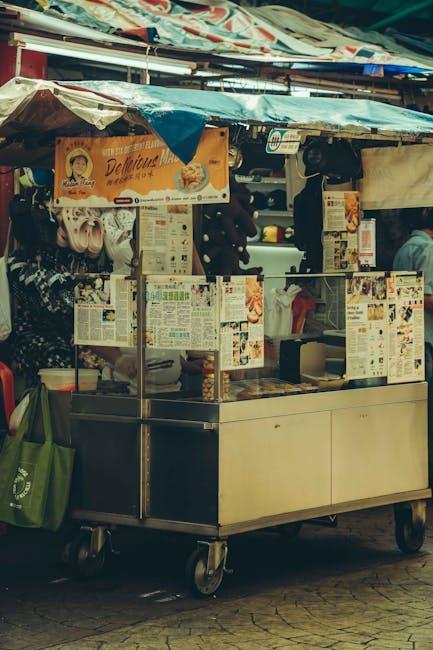
In the Pearl River Delta’s twin megacities, the sound of Cantonese is a running news ticker of daily life: porcelain clicks and swift, coded banter over dim sum; sing-song price calls cutting through the bustle of open-air stalls; clipped instructions and polite particles exchanged across red minibuses; and the stylized timbre of Cantonese opera sustaining a centuries-old art. Commuters code-switch between English, Mandarin, and local idioms, but street-side audio remains unmistakably local-rapid cadence, tonal pivots, and sentence-final particles that soften commands into conversation. Linguists point to subtle cross-border differences, yet to visitors the register shifts more by setting than by city: ritual politeness at tea tables, brisk haggling in markets, dispatch-style brevity in transit, and ornate lyricism under the stage lights.
- Teahouses (morning): Listen for courteous set phrases, trolley calls, and dish names traded at speed during yum cha in Central, Sham Shui Po, and historic houses in Guangzhou’s Liwan.
- Street markets (day to night): Hawker rhymes and numeric shorthand at Temple Street, Apliu Street, and Guangzhou’s Shangxiajiu Pedestrian Street keep prices and patter moving.
- Red minibuses (late peak): Route chatter, stop requests, and driver-dispatch exchanges offer compact, real-world Cantonese-especially along dense corridors on Kowloon side.
- Opera stages (matinee and evening): From Hong Kong’s Xiqu Centre to Guangzhou’s Cantonese Opera Art Museum precincts, classical diction and percussion cues reveal the language’s theatrical spine.
Oaxaca Zapotec and Mixe at Tlacolula market Teotitlan workshops and Guelaguetza festivities
On Sunday mornings in Oaxaca’s central valleys, the Tlacolula de Matamoros market becomes a dense public soundscape where vendors project prices and banter in Valley Zapotec (Dizhsa) while visiting traders from the Sierra Mixe (Ayöök) negotiate over chiles, cacao, and livestock; nearby in Teotitlán del Valle, family weaving workshops narrate dyeing and pattern lore first in community speech and then switch to Spanish for guests, and each July the Guelaguetza parades and stage programs amplify greetings, songs, and ritual announcements across multiple Zapotec variants and Mixe-from rehearsal days to the main Lunes del Cerro performances-offering reporters and culture seekers clear, ethical opportunities to hear living languages in everyday commerce, artisanal practice, and civic celebration.
- Best listening windows: Tlacolula at dawn-early afternoon on Sundays; Teotitlán workshops midweek by appointment; Guelaguetza rehearsals in the preceding week and official shows on consecutive Mondays in July.
- What stands out: market call-and-response and bilingual price-setting; weaving lexicon tied to wool and natural dyes; ceremonial salutations in indigenous languages preceding Spanish translations on festival stages.
- Etiquette: ask before recording; support speakers by purchasing directly; avoid interrupting bargaining or demonstrations; refrain from flash during dances and public rituals.
- Language notes: Dizhsa and Ayöök feature tonal contrasts and distinctive glottalization; expect code-switching with Spanish and variant-specific pronunciation across delegations.
- Access tips: carry small change for transactions; use public vans or buses early to beat crowds; community-led Guelaguetzas in neighborhoods offer closer-range listening with fewer tourists.
In Summary
As tourism pushes deeper into regions where heritage is spoken as much as it is seen, the stakes are clear. Local languages are not attractions but living systems of memory and identity, many under pressure. Travelers can help by choosing community-led guides, spending in neighborhood businesses, timing visits to markets and festivals, and learning basic greetings. Ask before recording, avoid intrusive photos, and engage with local media such as community radio and small archives.
Destinations are responding in kind, from bilingual signage to language-focused walks and workshops. Policymakers, cultural groups, and tour operators are testing ways to showcase speech without turning it into spectacle.
For now, the richest encounters still start the same way: arrive curious, listen closely, and let residents set the pace. In places defined by what is said and how it’s said, the lasting takeaway is not a snapshot but a word learned-and used with care.