

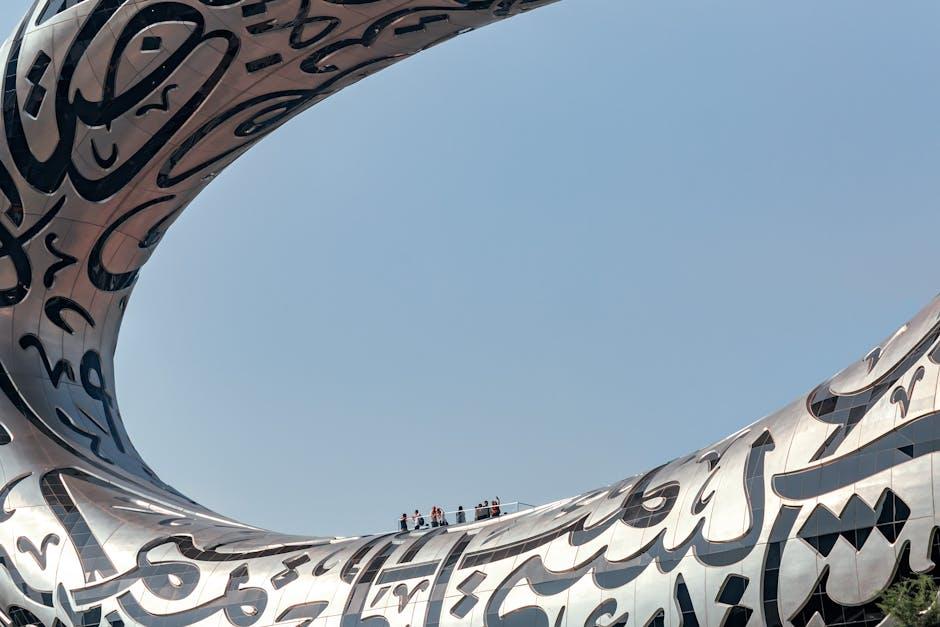
As culture-led travel rebounds, cities are competing on museums, landmark buildings and public art as much as on beaches and nightlife. From historic centers transformed by adaptive reuse to waterfront districts reshaped by star architects, architecture and the arts have become economic anchors-and powerful reasons to book a trip.
This report highlights the top global destinations where the built environment and creative ecosystems converge: places with heavyweight collections, cutting-edge contemporary scenes, signature skylines and ambitious public programs, from biennales to outdoor installations. Selections emphasize breadth (classic to experimental), architectural significance (both heritage and new builds), year-round programming and visitor access.
Together, these hubs show how galleries, streetscapes and skylines are setting the agenda for international travel-and redefining what it means to experience a city.
Table of Contents
- Florence Renaissance masterpieces and the best hours for the Uffizi and the Florence Cathedral dome
- Tokyo contemporary galleries and landmark architecture with a compact walking route through Roppongi and Omotesando
- Mexico City muralism and modernist icons with must see stops in Coyoacan and UNAM and timed entry for Casa Azul and Anahuacalli
- The Way Forward
Florence Renaissance masterpieces and the best hours for the Uffizi and the Florence Cathedral dome
Florence concentrates the Renaissance into walkable blocks: in the Uffizi, Botticelli’s Birth of Venus and Primavera, Leonardo’s Annunciation and Adoration of the Magi, Michelangelo’s Doni Tondo, and Caravaggio’s Medusa headline galleries that see the heaviest flows late morning; at the cathedral complex, Brunelleschi’s cupola-climbed via 463 steps-reveals Vasari and Zuccari’s Last Judgment at arm’s length before opening onto citywide views. Crowd data from recent seasons indicate the opening hour and the final two hours deliver the most navigable conditions at both venues, with midweek slots outside school holidays performing best. Cooler months (November-March) soften queues, while summer afternoons amplify wait times and heat inside the dome. Timed reservations are essential for the cupola and strongly advised for the gallery; security lines remain. Modest attire is enforced inside the cathedral, and large bags are turned away at both sites; plan transfers on foot to minimize schedule risk.
- Best windows: Uffizi-opening hour and last 90-120 minutes, especially Wednesday-Thursday; Dome-first climbs at opening and the golden hour before sunset; avoid wet or windy conditions for rooftop views.
- Passes and tickets: Timed reservation required for the dome via the Opera di Santa Maria del Fiore passes; Uffizi timed-entry cuts waits-collect vouchers early to skip will‑call lines.
- Must‑see checklist (Uffizi): Botticelli-Birth of Venus; Primavera. Leonardo-Annunciation; Adoration of the Magi. Michelangelo-Doni Tondo. Raphael-Madonna of the Goldfinch. Titian-Venus of Urbino. Caravaggio-Medusa.
- Photography and pacing: No flash; start in the Botticelli rooms while galleries are thin, then loop back for smaller gems such as Piero della Francesca’s diptychs.
- Operational notes: Verify official calendars for closures or strike notices; small water bottles allowed; dome climb is stair‑only; expect heat mitigation needs in summer.
Tokyo contemporary galleries and landmark architecture with a compact walking route through Roppongi and Omotesando
In central Tokyo, a tightly plotted 4.5 km circuit links blockbuster museums, blue-chip galleries, and statement façades: begin at Roppongi Station and move through The National Art Center Tokyo’s glass swell by Kisho Kurokawa, cut across Tokyo Midtown to 2121 Design Sight’s low-slung steel by Tadao Ando, ascend Roppongi Hills to the Mori Art Museum for skyline exhibitions, then follow the quiet, tree-lined spine of Aoyama Cemetery toward Omotesando, where the boulevard functions as a live index of contemporary architecture-Prada Aoyama’s diagrid skin by Herzog & de Meuron, Dior’s translucent volumes by SANAA, Tod’s cast “tree” by Toyo Ito, and Ando’s terraced Omotesando Hills-before closing at Kengo Kuma’s bamboo-framed Nezu Museum; along the way, Perrotin Tokyo (Piramide Building) and the complex665 trio (Taka Ishii Gallery, Tomio Koyama Gallery, ShugoArts) anchor Roppongi’s gallery scene, while Espace Louis Vuitton Tokyo and Spiral report from Aoyama, delivering a newsy, market-aware snapshot in roughly 90-120 minutes (check current schedules; some venues close early or midweek).
- Start: Roppongi Station → The National Art Center, Tokyo (≈5 min on foot).
- Midtown cluster: 2121 Design Sight (Tadao Ando) + Suntory Museum of Art (≈8-10 min).
- Skyline art: Mori Art Museum / Tokyo City View, Roppongi Hills (≈12-15 min).
- Green corridor: Aoyama Cemetery promenade → Omotesando crossing (≈25 min).
- Architectural strip: Prada Aoyama (Herzog & de Meuron), Dior Omotesando (SANAA), Tod’s (Toyo Ito), Omotesando Hills (Tadao Ando) (≈15-20 min).
- Finale: Nezu Museum and garden (Kengo Kuma) (≈8 min from Omotesando Hills).
- Gallery check-ins: Perrotin Tokyo, complex665 (Taka Ishii, Tomio Koyama, ShugoArts), Espace Louis Vuitton Tokyo, Spiral, SunnyHills Aoyama (Kengo Kuma).
- At a glance: ≈4.5 km total; best late afternoon to early evening; verify ticketing and closing days.
Mexico City muralism and modernist icons with must see stops in Coyoacan and UNAM and timed entry for Casa Azul and Anahuacalli
In Mexico City, muralism anchors a clear itinerary from Coyoacán’s cobblestone core to the monumental modernism of UNAM: travelers are reporting tighter controls and timed entry at both Casa Azul (Frida Kahlo Museum) and Anahuacalli, while the university’s UNESCO-listed campus remains a live classroom in public art, with Juan O’Gorman’s volcanic-stone mosaic wrapping the Central Library and David Alfaro Siqueiros’ dynamic facades at the Rectoría presiding over plazas carved from ancient lava; the arc traces intimate domestic interiors to civic-scale manifestos, underscored by ongoing conservation and crowd-management measures as visitor volumes climb.
- Tickets: Reserve timed slots online for Casa Azul and Anahuacalli; limited same-day availability, ID required at check-in.
- Transport: Walk between Coyoacán sites; connect to UNAM via Metro (CU) or taxi/rideshare for direct access to the Central Library and Rectoría.
- Key works: O’Gorman’s Central Library mosaic; Siqueiros’ Rectoría murals; Rivera’s pre-Hispanic collection and basalt architecture at Anahuacalli.
- Best light: Late afternoon for UNAM facades; morning entries at Casa Azul to mitigate glare and crowd density.
The Way Forward
Taken together, the leading art-and-architecture hubs highlight how cultural investment is reshaping urban identity and visitor economies. From new museum districts in the Gulf to adaptive-reuse projects across Europe and Latin America, cities are leveraging design and curatorial ambition to broaden audiences and extend stays beyond traditional high seasons.
The outlook is equally dynamic. Major openings, biennials and public-space revivals are set to redistribute attention beyond a handful of marquee capitals, even as overtourism controls, conservation budgets and climate resilience dictate how heritage is accessed and protected. For now, the destinations profiled remain bellwethers-places where the built environment and contemporary culture continue to set the pace, and where the next chapter of global cultural travel is already being written.