

From the alleys of late-night markets to the dining rooms of destination restaurants, travelers are increasingly planning itineraries around what’s on the plate-and what it reveals about place. As cities revive festivals, farmers’ markets and culinary schools fill up, and more food traditions gain recognition on national and UNESCO heritage lists, gastronomy has become a frontline for cultural exchange and local identity.
This report identifies the top global hotspots where food and culture converge, highlighting destinations that pair deep-rooted culinary traditions with vibrant arts, history and public life. Selections weigh breadth and authenticity of cuisine, street-to-fine-dining range, access to producers and markets, festival calendars, cultural institutions, affordability, and commitments to sustainability and community. The list spans established capitals and emerging scenes across continents, reflecting both year-round reliability and seasonal peaks. For readers, it’s a snapshot of where to go now-whether the goal is to trace spice routes, master regional techniques, or sit down to family-style meals that tell a city’s story.
Table of Contents
- Tokyo from Sushi Dai at Toyosu to yakitori in Omoide Yokocho and craft sake in Kanda
- Mexico City Mercado San Juan delicacies Pujol tasting menu and late night al pastor in Roma and Condesa
- Istanbul Spice Bazaar staples balik ekmek by the Galata Bridge and modern meze in Karakoy and Kadikoy
- In Retrospect
Tokyo from Sushi Dai at Toyosu to yakitori in Omoide Yokocho and craft sake in Kanda
From pre-dawn queues for buttery cuts at Sushi Dai inside Toyosu Market to charcoal-perfumed lanes of Omoide Yokocho and late-night pours in Kanda, the city charts a seamless arc of precision dining and vernacular flavor; market veterans report waits topping two hours for the 11-piece omakase as tuna auctions hum nearby, Shinjuku’s postwar alley fills with salarymen over skewers and highballs by dusk, and compact standing bars pivot to terroir-driven craft sake lists-curated flights, small-batch breweries, and seasonal namazake-that underscore Tokyo’s evolving palate without abandoning its rigor.
- What to order: At Sushi Dai-chūtoro, anago, and chef’s choice; in Omoide Yokocho-negima, tsukune, and chicken hatsu; in Kanda-junmai ginjō flights and a pour of aged koshu.
- Timing: Arrive before 5 a.m. for Toyosu; hit yakitori grills by 6-7 p.m.; sake bars peak 8-11 p.m.
- Budget: Omakase from ¥5,000-¥8,000; alley skewers ¥150-¥300 each; craft sake by the glass ¥700-¥1,400.
- On the ground: Expect tight quarters, occasional cover (otoshi) at bars, and cash-friendly counters; reservations rare in alleys, more common for tastings in Kanda.
Mexico City Mercado San Juan delicacies Pujol tasting menu and late night al pastor in Roma and Condesa
Mexico City’s culinary beat thunders from dawn to after-hours: at Mercado San Juan, veteran vendors plate pristine seafood towers next to game meats, cheeses, and edible insects, while chefs-in-training crowd counters for escamoles and chapulines; across town, Pujol tightens its tasting-menu focus with heirloom-corn craft and the evolving mole madre anchoring a sequence that reads like a thesis on terroir; and when the city’s galleries dim, Roma and Condesa light up with trompos of al pastor, pineapple flicks arcing through neon as salsa bars-verde cruda to smoky morita-reset the palate for one more taco run.
- Don’t-miss bites: Escamoles and oysters at the market; the mole course and corn-focused plates at Pujol; al pastor with extra caramelized edges, finished con todo late night.
- Where to book: Pujol reservations open weeks ahead; bar seating releases last-minute but vanishes quickly.
- Late-night playbook: In Roma/Condesa, rotate taquerías for salsas and tortillas; order one at a time to track freshness and trompo turnover.
- Local intel: Carry small bills for Mercado San Juan; ask vendors about provenance; in taquerías, watch the slicer’s pace-fast line, fresher cut.
Istanbul Spice Bazaar staples balik ekmek by the Galata Bridge and modern meze in Karakoy and Kadikoy
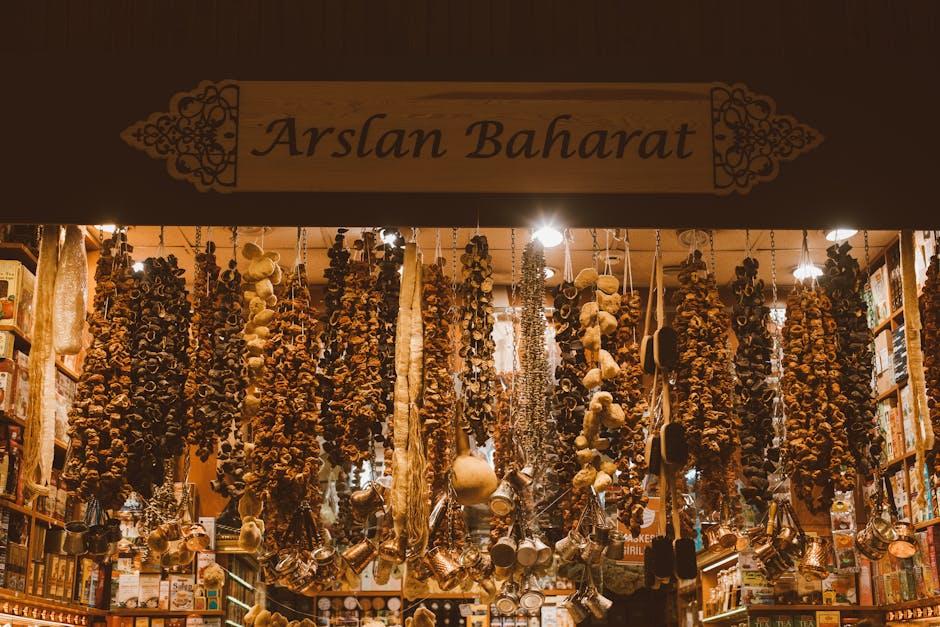
From the vaulted lanes of the Spice Bazaar, where saffron, sumac and pul biber scent the air, the city’s palate spills onto the waterfront as grills beside the Galata Bridge char just-caught mackerel into smoky balik ekmek for commuters and anglers alike; across the strait, chefs in Karakoy and Asian-side Kadikoy channel the same energy into sleek, seasonal meze-think herb-lashed salads, cultured-dairy dips and charcoal-softened vegetables-served with raki or natural wines, mapping a live current between street hunger and modern plate craft.
- Essential flavors: isot pepper, aged tulum cheese, pickled vegetables, tahini helva, and rose-scented lokum sourced inside the bazaar.
- Waterside staple: lemon-splashed balik ekmek with onions and parsley, best eaten standing along the Golden Horn railing.
- Modern plates to watch: smoked eggplant with strained yogurt and chili oil; tomato-season crudo with tarhana; walnut-studded muhammara sweetened with pekmez.
- Neighborhood rhythm: late-morning bustle in Eminönü, aperitif hour in Karakoy, and after-dark meyhane circuits in Kadikoy’s market streets.
- Access: Tram T1 to Eminönü for the bazaar and bridge; frequent ferries knit Karakoy and Kadikoy, framing dinner with Bosphorus views.
In Retrospect
From night markets to white-tablecloth temples, the destinations highlighted here underscore a broader shift: food is no longer a detour on the cultural map, it is the map. Cities and regions are investing in culinary districts, elevating street vendors, and exporting their flavors through festivals and pop-ups, even as travel demand remains resilient and visitor expectations tilt toward authenticity and value.
The outlook carries caveats. Visa rules, currency swings, extreme weather and crowd controls can reshape access with little notice, and popular neighborhoods face pressure from overtourism. Travelers are increasingly advised to book earlier, check local festival calendars, seek out independent operators, and follow local etiquette and sustainability guidelines. With kitchens drawing on heritage and new talent, and communities pushing for more thoughtful tourism, these hotspots are poised to define the next wave of itineraries. For food and culture lovers, the table is set; what happens next will hinge on how-and where-visitors choose to spend.