

From the fortified walls of Benin City to the coral-stone alleys of Stone Town, Africa’s urban centers are rewriting the continent’s story-one street, archive and excavation at a time. Long viewed through the lens of colonial maps and modern sprawl, these cities are increasingly recognized as engines of scholarship, trade and design that shaped the wider world.
A wave of research, restoration projects and community-led documentation is bringing that history to the surface. In places as varied as Timbuktu, Aksum, Cairo, Kano, Kilwa Kisiwani and Johannesburg, scholars and residents are mapping ancient trade routes onto today’s transit lines, conserving manuscripts and markets, and tracing architectural styles that traveled across deserts and seas. Their work is recasting African cities not as footnotes to empire but as enduring laboratories of culture, technology and governance-places where deep pasts inform urgent debates about growth, heritage and identity.
Table of Contents
- Precolonial Trade Routes Still Shape African City Cores and Cultural Life
- Safeguard Historic Districts With Adaptive Reuse Incentives and Community Archives
- Upgrade Markets and Night Transit to Support Heritage Tourism and Local Jobs
- In Retrospect
Precolonial Trade Routes Still Shape African City Cores and Cultural Life
Fresh analysis indicates that centuries-old caravan, riverine, and monsoon corridors continue to anchor street grids, market hierarchies, and civic rituals across the continent, with modern highways and fiber backbones frequently overlaying the same alignments; the result is that urban hearts remain concentrated along historic axes while cultural life-market days, craft guilds, cuisines, and music-still convenes at enduring commercial nodes.
- Kano (Nigeria) – Kurmi Market occupies the historic crossroads between the Sahara and the forest belt; indigo dye pits at Kofar Mata still operate, and leatherwork guilds cluster where camel caravans once entered the walls.
- Kumasi (Ghana) – The vast Kejetia Market sits on Ashanti-era routes that moved kola and gold; processional avenues used in Akwasidae festivals trace paths long defined by trade to the northern savannah and the coast.
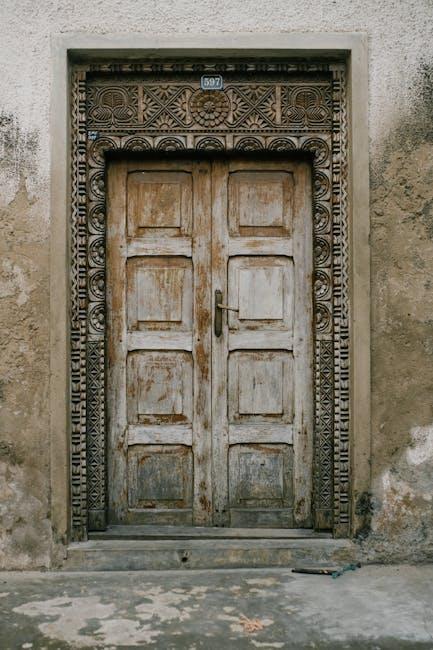
- Zanzibar (Tanzania) – In Stone Town, tight lanes funnel to dhow-era quays; spice exchanges, taarab salons, and mosque courtyards remain organized around the same Indian Ocean mercantile grid.
- Marrakesh (Morocco) – Jemaa el-Fna and the medina souks sit at the junction of High Atlas passes and Saharan caravan routes, sustaining craft-based quarters and night-time performance economies.
- Cairo (Egypt) – The bazaar complex of Khan el-Khalili in the Fatimid core continues to channel flows between Nile river trade, Red Sea links, and the old Hajj routes, keeping bullion, spice, and craft lanes intact.
- Harar (Ethiopia) – The walled city’s gates align with historic roads to Zeila and the Ogaden; coffee and khat markets, Islamic learning circles, and domestic architecture remain mapped to caravan-era streets.
Safeguard Historic Districts With Adaptive Reuse Incentives and Community Archives
From Jamestown in Accra to Stone Town in Zanzibar and Asmara’s modernist avenues, officials and residents are advancing pragmatic tools to keep historic cores livable as investment intensifies, aiming to channel capital toward rehabilitation, protect legacy tenants, and document the people and practices that give these districts their character.
- Adaptive reuse incentives: tiered tax abatements for retaining street-facing fabric; low-interest, green-aligned loans for structural, fire, and climate retrofits; expedited permits and calibrated code flexibility for mixed-use conversions; Transfer of Development Rights (TDR) to shift bulk to growth corridors; rehabilitation grants linked to local hiring and artisanal trades.
- Community archives: neighborhood-led oral history drives; mobile digitization labs for family photos, shop ledgers, and maps; open metadata standards to ensure interoperability; co-curation agreements with municipal libraries and universities; youth fellowships to catalog crafts, music, and vernacular architecture; QR plaques that link streetscapes to multilingual records.
- Governance and equity: heritage impact assessments embedded in planning approvals; rent stabilization for legacy businesses; anti-displacement funds financed by tourism levies; maintenance endowments managed by community trusts; transparent data dashboards tracking reuse outcomes and affordability.
Why it matters: these measures, already under discussion across multiple African municipalities, can shift the market from demolition to stewardship, keep cultural economies in place, and build a searchable public memory-preserving the dynamism that draws residents and visitors alike.
Upgrade Markets and Night Transit to Support Heritage Tourism and Local Jobs
Municipal leaders across the continent are pairing market modernization with extended public transport hours to convert daytime heritage districts into safe, animated attractions after dark, linking artisans, food sellers, and cultural venues to reliable footfall while safeguarding residents’ mobility; plans emphasize lighting, fair stall design, accessible permits, and integrated ticketing so visitors can move between museums, waterfronts, and historic streets without gaps in service, with pilots aligning transit schedules to cultural calendars and deploying data dashboards to track crowding, safety, and trader revenues.
- Market upgrades: weatherproof stalls, cold storage, potable water, and digital payments to raise vendor income and hygiene standards.
- Night transit: extended bus and BRT spans, last‑mile minibuses, and safe taxi ranks synchronized with theater and gallery closing times.
- Wayfinding and safety: better lighting, CCTV with trader associations, staffed help points, and multilingual signage.
- Creative programming: curated performances, craft demonstrations, and culinary trails that showcase heritage without displacing residents.
- Inclusive jobs: vendor training, microfinance for women and youth, and contracts reserving space for indigenous and diasporic enterprises.
- Green operations: waste sorting, reusable packaging, and noise management to protect historic fabric and nearby households.
- Seamless access: integrated fares, contactless payments, and real‑time apps linking rail hubs to markets and waterfront promenades.
In Retrospect
As these urban centers expand and evolve, their streets, skylines and public spaces continue to double as archives-tracing trade routes, faiths, languages and ideas that have crossed the continent for centuries. From restoration projects to new transit lines, decisions made now will determine how clearly those layers remain legible.
For residents, planners and historians alike, the question is less about uncovering the past than about carrying it forward. The way African cities balance growth with memory will shape not only how their histories are told, but how their futures are lived.