

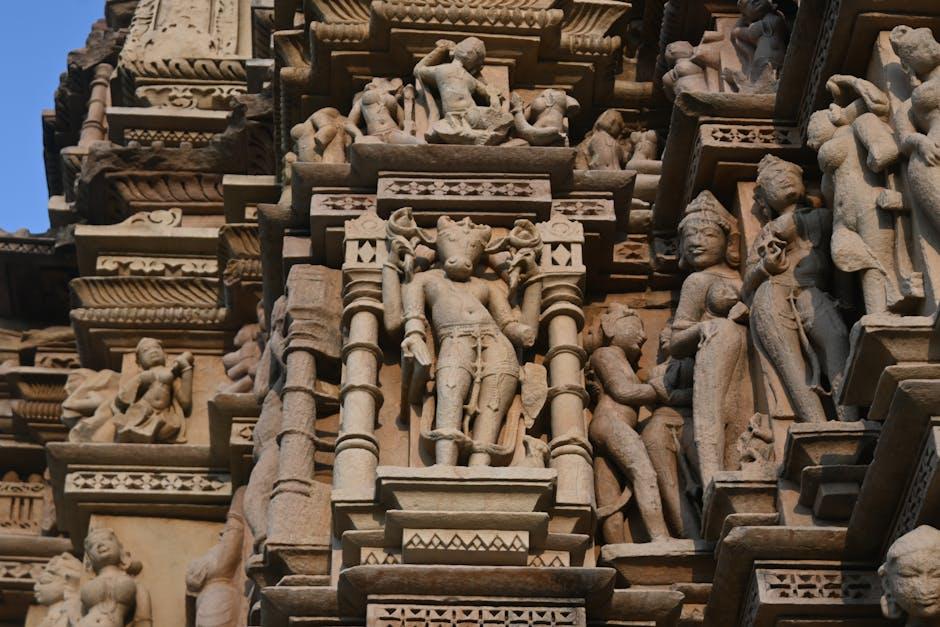
As international travel steadies, ancient sanctuaries are drawing renewed attention from visitors seeking culture as much as scenery. From Cambodia’s Angkor to Ethiopia’s rock‑hewn churches and the cliffside monasteries of Greece, sacred complexes are again at the center of heritage-focused itineraries-alongside a growing push to balance access with conservation.
This report highlights standout destinations where religion shaped cities, landscapes, and art, and where the physical record still anchors living traditions. Selections are based on historical significance, current preservation status, quality of interpretation on site, and practical accessibility, with attention to regional diversity across belief systems.
It also outlines the realities on the ground: timed-entry systems and visitor caps, security and permit requirements, dress codes, and the need for respectful conduct at active places of worship. Whether you’re planning a modern pilgrimage or a scholarly detour, here’s where to explore the world’s ancient religious sites-and how to do so responsibly.
Table of Contents
- Temple heartlands across Asia Angkor Wat Borobudur and Kyoto shrines with best seasons routes and etiquette
- Desert and highland sanctuaries Petra Lalibela and Gobekli Tepe with guide options safety and access tips
- Plan a respectful pilgrimage permits dress codes photography rules and ways to support local communities
- Concluding Remarks
Temple heartlands across Asia Angkor Wat Borobudur and Kyoto shrines with best seasons routes and etiquette
Field reports across Cambodia, Indonesia, and Japan indicate a surge in mindful travel to landmark sanctuaries, with timing, routing, and cultural protocol shaping visitor impact and experience.
- Best seasons
- Angkor Wat (Siem Reap): Cool-dry from November-February; October and March offer lighter crowds; avoid peak heat in April and heavy rains in September.
- Borobudur (Central Java): May-September dry season for clear dawns; around Vesak (full moon Apr/May) requires early permits and capacity-limited access.
- Kyoto shrines: Late March-April for cherry blossom; mid-November for foliage; sidestep Golden Week and Obon; arrive at first light for quieter grounds.
- Smart routes
- Angkor: Sunrise at Angkor Wat → Angkor Thom/Bayon → Ta Prohm → sunset at Pre Rup; extend to Banteay Srei and Beng Mealea on day two. Use tuk-tuk or e-bike; purchase 1/3/7-day passes at the official ticket center.
- Borobudur: Base in Yogyakarta; pre-dawn at Setumbu Hill for the mist, then enter the monument at opening; pair with Prambanan later via TransJogja or hired car; expect timed, quota-based access to upper terraces.
- Kyoto: JR Nara Line to Inari for Fushimi Inari at dawn → Keihan to Gion for Yasaka Shrine → Tozai Line to Heian Jingu → finish at Shimogamo; use IC cards and walk/cycle between close sites to avoid bus bottlenecks.
- Etiquette essentials
- Dress and conduct: Cover shoulders and knees at Buddhist sites; hats off indoors; speak softly; no climbing on balustrades or stupas; no touching carvings; follow clockwise circulation where indicated.
- Site-specific: At Borobudur, expect sock-only zones on upper levels; at Angkor, drones are restricted and flash is discouraged. In Kyoto’s Shinto shrines: bow at the torii, keep to the sides of the approach, purify at the chozuya, then offering routine (bow twice, clap twice, pray, bow once); photography is limited near inner sanctuaries.
- Practical respect: Carry out litter, refill bottles, stick to marked paths, and ask before photographing worshippers.
Desert and highland sanctuaries Petra Lalibela and Gobekli Tepe with guide options safety and access tips
From the sandstone corridors of Petra in Jordan to the rock-hewn churches of Lalibela in Ethiopia and the Neolithic enclosures of Göbekli Tepe in Türkiye, travelers are balancing preservation with access as authorities refine routes, ticketing, and on-site interpretation. High season heat and altitude remain the defining challenges, while licensed guiding and museum-led programs are expanding context without disturbing sensitive areas. New boardwalks and protective shelters at excavation zones signal a shift toward controlled vantage points, and local communities are increasingly central to visitor management and cultural protocols.
- Guide options – Petra: Hire licensed guides at the Visitor Center for archaeology-focused routes, consider evening “Petra by Night” add-ons (separate ticket), and use official animal handlers only on marked paths.
- Guide options – Lalibela: Book church-affiliated or government-licensed guides for access sequencing across clusters; expect protocol briefings on footwear removal, modest dress, and service times.
- Guide options – Göbekli Tepe: Reserve museum-led or archaeologist-curated small groups via Şanlıurfa Archaeology Museum; combine with Karahantepe when available for broader Pre-Pottery Neolithic context.
- Safety & access – Petra: Start at dawn or late afternoon to mitigate heat, carry ample water, check weather for Siq flood advisories, wear grippy footwear on sandstone, and consider 2-3 day tickets for staggered hikes.
- Safety & access – Lalibela: Acclimatize to ~2,500 m elevation, expect steep steps and dim tunnels (carry a small torch), ask before photographing (fees/permissions vary), and follow clergy directions during active worship.
- Safety & access – Göbekli Tepe: Prepare for sun and wind on an exposed ridge, stay on boardwalks, confirm any conservation-related closures ahead of time, use the site shuttle from parking, and note drone restrictions.
Plan a respectful pilgrimage permits dress codes photography rules and ways to support local communities
Across revered shrines and timeworn temples, respectful travel hinges on preparation-access permissions, modest attire, mindful image-making, and measurable benefits for those who safeguard these sites.
- Permits and access: Confirm if sacred precincts require advance permits, festival day passes, or guided entry; inner sanctums and archaeological zones often cap daily numbers. Expect closures during rites, ID checks, and bans on drones or large bags.
- Dress and conduct: Modesty is standard-cover shoulders and knees; head coverings may be obligatory in mosques, gurdwaras, and some churches. Remove shoes where posted, keep voices low, follow gender-segregated lines, and avoid touching relics or turning your back to altars if prohibited.
- Photography and recording: Many sanctuaries restrict cameras or flash near icons; images may be allowed only in courtyards or for a fee. Seek consent before photographing worshippers, respect “no photo” zones, and disable geotagging in sensitive areas.
- Community support: Hire licensed local guides and drivers, choose community-run stays, and buy verified local crafts. Give donations through official temple or monastery committees, not gate intermediaries; carry out waste and use refillable bottles to reduce strain on site infrastructure.
- Timing and impact: Visit outside peak rituals to ease crowding; follow marked paths to protect ancient floors and carvings. Observe fasting hours and dietary rules when sharing meals, and tip within posted guidelines to ensure fair, transparent compensation.
Concluding Remarks
From stepped pyramids and cliffside monasteries to stone circles and desert shrines, the world’s oldest sacred sites continue to draw visitors seeking context as much as spectacle. They are repositories of living traditions and contested histories, where access and preservation must be weighed with care.
Authorities in many destinations are tightening visitor caps, expanding timed-entry systems and investing in conservation. Travelers can expect stricter dress codes, photography limits and seasonal closures, alongside a growing role for local guides and community-led tours. At the same time, new excavations, high-resolution scans and virtual reconstructions are reshaping what is known-and how it can be experienced.
Whether approached as places of worship or windows onto the past, these landmarks demand informed, respectful travel. The enduring test will be to keep them open and intelligible to the world, while ensuring they remain intact for the generations that follow.