

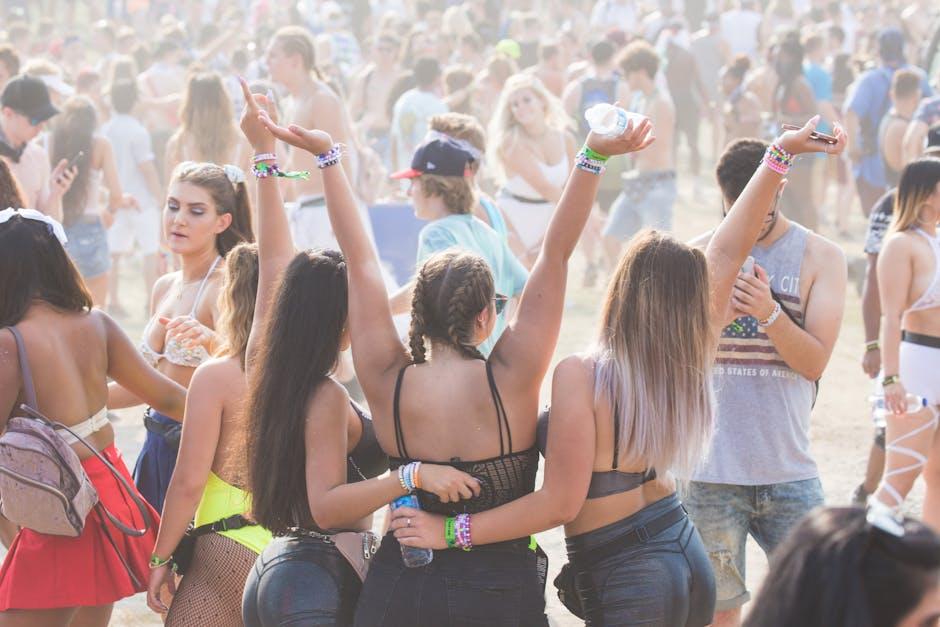
From coastal fairgrounds to retractable-roof stadiums, live music is setting the season’s pace as festivals and blockbuster tours crowd calendars and sell out cities. A dense run of multi-day events and arena-to-stadium itineraries is pulling fans across regions, turning weekends into destination travel and pushing transit, hotel and security systems to summer-peak levels.
Behind the surge: promoters stacking marquee lineups, artists scaling up production to stadium size, and consumers prioritizing live experiences despite higher prices. The result is an economy-within-an-economy-merch drives, pop-up retail and late-night hospitality-moving in tandem with each tour stop and festival gate.
But the boom brings pressure points. Dynamic pricing and scarce inventory are testing fan patience, while extreme weather, labor shortages and sustainability mandates are reshaping how shows are staged. As temperatures rise, the live-music business is betting big that the season’s soundtrack-and its spillover effects-will keep the turnstiles spinning.
Table of Contents
- Festivals surge as Coachella Glastonbury and Lollapalooza anchor a packed summer while blockbuster tours from Taylor Swift and Beyoncé drive stadium sellouts
- How to secure tickets and cut costs book presales use official exchanges choose refundable lodging travel midweek and bundle shuttle or transit passes
- On the ground playbook cities tighten curfews promoters go cashless and fans should plan hydration shade and hearing protection
- Future Outlook
Festivals surge as Coachella Glastonbury and Lollapalooza anchor a packed summer while blockbuster tours from Taylor Swift and Beyoncé drive stadium sellouts
With Coachella, Glastonbury, and Lollapalooza locking in the marquee weekends, promoters report accelerated sell-through, earlier cutoffs on tiered pricing, and heightened demand for VIP and hospitality packages, while stadium itineraries from Taylor Swift and Beyoncé continue to trigger coast-to-coast sellouts; ticketing platforms cite record queue volumes, cities prepare for spikes in hotel occupancy and rideshare traffic, and production teams scale up weather-resilience, security, and cashless infrastructure as the live-music economy leans into a condensed, high-yield summer window.
- Demand drivers: multi-genre headliners, viral discovery converting streams to tickets, and limited-edition on-site experiences.
- Consumer behavior: earlier bookings, payment-plan uptake, and bundling of tickets with travel and merch.
- Market impact: expanded sponsor activations, pop-up retail, and measurable boosts to local hospitality and hourly staffing.
- Operations: RFID entry, dynamic pricing, enhanced medical footprint, and contingency scheduling for heat and storms.
- Outlook: added midweek dates, satellite stages, and late-night programming to absorb overflow demand.
How to secure tickets and cut costs book presales use official exchanges choose refundable lodging travel midweek and bundle shuttle or transit passes
With demand peaking across marquee lineups, fans are focusing on timing, verification, and flexibility to lock entry and trim budgets while avoiding last-minute price spikes and fraud.
- Book presales: Register early for verified access windows, enable notifications, and be ready with multiple payment methods to capture face-value inventory before general on-sale volatility.
- Use official exchanges: Rely on the event’s sanctioned resale or transfer platform for barcode guarantees, transparent fees, and customer support that informal marketplaces can’t match.
- Choose refundable lodging: Target flexible rates with clear cancellation cutoffs, allowing you to pivot if dates shift, lineups change, or a better group option emerges.
- Travel midweek: Shift flights, trains, or drives to Tuesdays-Thursdays when fares and traffic are often lighter, easing both costs and logistical headaches.
- Bundle shuttle or transit passes: Secure official shuttles or city transport add‑ons to bypass surge pricing, reduce parking expenses, and access dedicated drop zones that speed entry.
On the ground playbook cities tighten curfews promoters go cashless and fans should plan hydration shade and hearing protection
City officials across key markets are tightening end times and lowering allowable decibel thresholds, and permitting now commonly links stage schedules to enforced exit windows. Promoters, meanwhile, are moving fully cashless-RFID wristbands, app preloads, and tap-to-pay at bars and merch-citing faster throughput and cleaner audits while raising access questions for the underbanked. On-site operations have shifted toward heat resilience and crowd safety: expanded free-water refill stations, shade structures, misting zones, visible medical posts, and push-alerts in official apps. Safety briefings increasingly include hearing protection guidance, with foam plugs at gates and recommendations for 15-20 dB filters near main stages. For fans, the season favors those who arrive prepared, as production teams balance neighborhood expectations, climate realities, and post-pandemic security protocols.
- Hydration: Bring an empty bottle or soft flask per policy; know refill locations; add electrolytes during peak heat.
- Shade strategy: Map shaded zones, schedule set breaks, wear UPF layers, hat, and SPF 30+ sunscreen.
- Hearing protection: Pack high‑fidelity earplugs; position off-axis from speaker arrays; rotate quiet-time between sets.
- Payments: Download the official app, preload funds, enable tap-to-pay, and carry a backup physical card.
- Curfew awareness: Check local cutoff times; expect tighter encore windows and punctual headliner starts.
- Mobility: Screenshot tickets/ID, confirm rideshares or transit last trains, and set a meetup point with your group.
- Bag and meds: Review bag-size rules; keep medications in original packaging; pre-register with medical/ADA services if needed.
- Power and comms: Bring a small power bank; cache the site map offline; enable festival safety alerts.
Future Outlook
As the season reaches its midpoint, the live sector’s summer surge shows few signs of slowing. Festivals from coastal parks to inland fairgrounds are reporting brisk sales, and blockbuster tours continue to add dates in response to demand. The influx is reshaping travel patterns, bolstering local economies, and testing infrastructure-from staffing and transit to weather contingency plans-amid ongoing debates over pricing, access, and sustainability.
Whether the momentum can extend into the fall touring cycle and next year’s festival on-sales will be the industry’s next measure. For now, the sound of summer belongs to the road: a crowded calendar, full houses, and a live business intent on keeping the spotlight through Labor Day and beyond.