

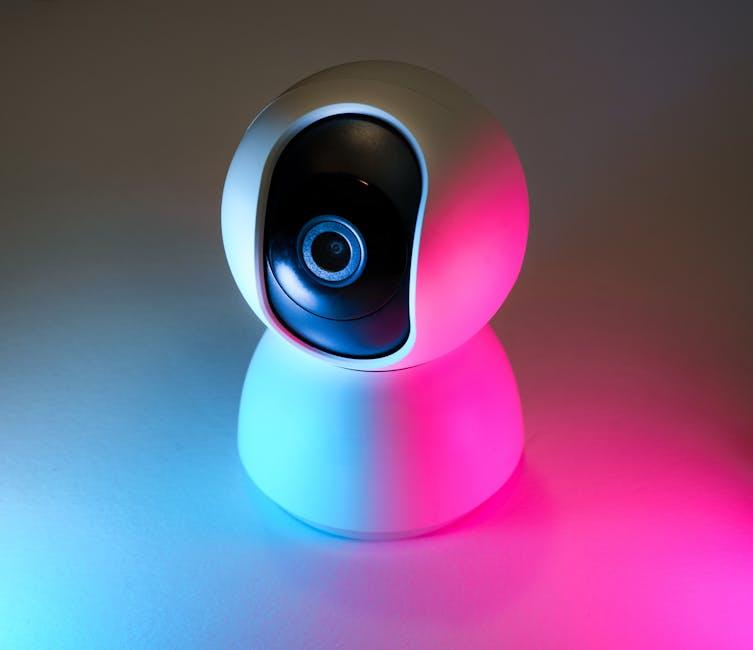
After years of fits and starts, the smart home is moving from novelty to necessity. As connected thermostats, cameras, locks and appliances hit mass-market price points and become easier to install, mainstream consumers are wiring up their homes at record pace. Retailers are expanding shelf space, homebuilders are bundling connectivity into new construction, and utilities are dangling rebates for devices that curb peak power demand.
The surge is being propelled by maturing standards and simpler setups. The Matter framework and Thread networking promise broader interoperability across platforms from Amazon, Apple, Google and Samsung, reducing the lock-in and headaches that long dogged early adopters. At the same time, edge AI is shifting more processing onto devices themselves, improving responsiveness for voice control, security and energy management while trimming reliance on the cloud.
The stakes are rising with adoption. Platform providers are pivoting from hardware margins to subscription services, insurers are testing discounts for leak and smoke sensors, and regulators are scrutinizing how much household data companies collect and share. Security researchers warn that a larger attack surface and spotty patching remain risks. This report examines what’s fueling the smart-home boom, where the ecosystem is consolidating-and the privacy, reliability and compliance questions that could shape its next phase.
Table of Contents
- Smart Homes Enter the Mainstream as Falling Prices and Utility Incentives Drive Adoption
- Matter and Thread Reshape Interoperability Choose Certified Devices to Avoid Lock In and Orphaned Apps
- Security and Privacy Lag Behind Segment Your Network Enable Multifactor Authentication and Demand Local Control Options
- Cut Energy Use and Costs With Automation Prioritize Thermostats Lighting and Load Shifting Tied to Time of Use Rates
- To Conclude
Smart Homes Enter the Mainstream as Falling Prices and Utility Incentives Drive Adoption
Once a niche purchase, connected devices are now a default add-on in remodels, rentals, and new builds as lower hardware costs meet bill-reducing programs. Entry-level thermostats, leak sensors, and lighting kits are increasingly promoted below key psychological price points, while retailer bundles and buy-now-pay-later offers reduce friction at checkout. Interoperability advances like Matter and Thread are also accelerating upgrades, letting homeowners mix brands without a hub and enabling energy-saving automations across HVAC, water heating, and large appliances-an appealing proposition amid hotter summers and time-varying rates.
- Thermostat rebates: Many utilities subsidize smart thermostats and enroll customers in demand-response events that pay out seasonal bill credits.
- TOU and dynamic pricing perks: Enrollment bonuses and off-peak discounts reward automated shifting of loads like EV charging and water heating.
- Conservation kits: Free or discounted smart plugs, sensors, and LED bundles help households test-drive automation at minimal cost.
- Insurance incentives: Premium reductions for leak detection, smoke/CO alerts, and monitored security reduce risk and claims.
- Builder and landlord programs: Bulk procurement brings down per-unit costs, standardizing devices across multifamily portfolios.
The momentum is reshaping go-to-market strategies: utilities are scaling “bring your own device” enrollments, retailers are packaging setup services, and installers are pivoting to performance-based offers tied to measurable savings. Watchpoints remain-data privacy, long-term support, and the pace of standards adoption-but the competitive edge is shifting to platforms that pair reliable hardware with simple apps, local control options, and clear bill impacts. With incentives stacking and ecosystems stabilizing, analysts expect smarter energy management to become a baseline expectation, not a luxury feature, across homes in the coming buying cycles.
Matter and Thread Reshape Interoperability Choose Certified Devices to Avoid Lock In and Orphaned Apps
As retailers report record sell-through of connected lights, locks, and sensors, the industry’s bet on Matter and Thread is paying off. The IP-based standard and low-power mesh are enabling cross-brand control without proprietary bridges, reducing fragmentation across Apple Home, Google Home, Amazon Alexa, and SmartThings. Early field data shows fewer pairing failures and faster local automations when devices join a Thread border router at home, rather than relying on cloud calls. For manufacturers, certification aligns updates and security baselines; for households, it turns mixed-brand kits into a cohesive system.
- Cross-ecosystem control: one device can be administered by multiple apps (“multi-admin”).
- Local performance: Thread’s mesh delivers low latency and better battery life for sensors and switches.
- Reduced bridges: fewer dongles and hubs as vendors ship native support.
- Security by design: encrypted onboarding, standardized updates, and revocation pathways.
Analysts warn that shoppers should verify certifications to avoid closed ecosystems and abandoned apps. Look for the official Matter badge, confirm Thread Certified firmware where applicable, and check the Connectivity Standards Alliance (CSA) database for current status and update history. Retail listings increasingly disclose multi-admin support, but packaging can lag; the most reliable indicator remains the product page and documentation. Procurement teams and consumers alike can use this checklist before buying:
- Logos and listings: Matter logo on box; device appears in the CSA certified product registry.
- Radio support: Thread 1.3.x for battery devices; Wi‑Fi for high-bandwidth gear; clear bridge path for legacy Zigbee/Z-Wave if needed.
- Multi-admin declared: explicitly supports Apple, Google, Amazon, and Samsung setup and control.
- Update policy: vendor commits to at least 5 years of security patches and over‑the‑air updates.
- Local control: works without a cloud connection for basic operations and automations.
- Exit options: data export or migration guidance to prevent app lock‑in and orphaned devices.
Security and Privacy Lag Behind Segment Your Network Enable Multifactor Authentication and Demand Local Control Options
As connected thermostats, cameras, and speakers flood households, security researchers warn that protection measures are not keeping pace. Misconfigurations, weak defaults, and always-on cloud links continue to widen the attack surface, concentrating risk at home routers and vendor platforms. To blunt spillover from one compromised gadget to the rest of the household, experts point to network segmentation as the first line of defense.
- Isolate IoT on a separate SSID, guest network, or VLAN; block lateral device-to-device traffic by default.
- Turn off UPnP and auto-port forwarding; restrict inbound WAN traffic to zero unless explicitly needed.
- Use WPA3 where available; assign unique, strong passphrases and rotate them on a schedule.
- Apply router-level DNS filtering and egress rules to limit device callouts to known service domains.
- Prioritize gear that continues to function locally during internet outages and supports offline updates.
Identity and data control are emerging as equal priorities. Manufacturers increasingly gate features behind cloud accounts, making multifactor authentication essential for app logins, hubs, and smart-home platforms. At the same time, privacy advocates urge buyers to demand local control-on-device processing, local APIs, and retention limits-as a purchasing condition.
- Enable MFA on vendor accounts and controllers; prefer app-based or hardware key methods over SMS.
- Create distinct, least-privilege household profiles; avoid account sharing that obscures audit trails.
- Choose products with local APIs, Matter/Thread or Zigbee/Z-Wave support, and offline modes by design.
- Disable unnecessary telemetry; set strict data retention and turn off cloud recording unless required.
- Use firewall rules to deny default internet access for high-risk devices (e.g., cameras), allowing only what’s necessary.
Cut Energy Use and Costs With Automation Prioritize Thermostats Lighting and Load Shifting Tied to Time of Use Rates
As time-of-use pricing expands, households are leaning on automation to align consumption with cheaper hours. Smart thermostats pre-heat or pre-cool during off-peak windows, then coast through high-tariff periods, while adaptive lighting trims wattage with daylight and occupancy cues. Utility-integrated platforms and increasingly interoperable devices synchronize schedules across the home, shifting discretionary demand without sacrificing comfort. The result is a quiet rebalancing of load curves-marginal kilowatts moved from congested evening peaks to calmer overnight intervals.
- Thermostats: Pre-condition before peak windows; apply geofenced setpoints; cap HVAC runtime during expensive hours with comfort guardrails.
- Lighting: Use occupancy and lux sensors for automatic dimming and shutoff; prioritize task lighting over whole-room illumination; set price-aware scenes.
- Load shifting: Delay EV charging, water heating, dishwashers, and laundry to off-peak; follow utility signals or real-time prices; add smart plugs for standby-heavy devices.
Early adopters report steadier bills and smaller carbon footprints as price-aware routines become standard, aided by emerging ecosystems that include Matter-enabled devices, utility APIs, and demand-response programs offering bill credits during grid stress. Analysts say the next gains come from verification: tracking interval usage, comfort metrics, and automation logs to fine-tune schedules, plus fail-safes such as local control and minimum comfort thresholds. With costs rising and grids tightening, the playbook is shifting from manual frugality to automated orchestration-starting with climate control and lighting, then expanding to whole-home load management tied directly to price signals.
To Conclude
As connected thermostats, speakers and sensors become fixtures in more households, the smart home is shifting from novelty to default. Lower prices, easier setup and maturing standards have expanded the addressable market, even as questions remain over security, interoperability and who controls the data flowing from living rooms to the cloud.
The next phase will be defined as much by policy and plumbing as by shiny new devices. Builders are wiring connectivity into new construction, utilities and insurers are testing incentives tied to energy management and safety, and regulators are pushing clearer security labeling. If device makers can keep patching risks and make disparate systems truly work together, the mainstream smart home will look less like a gadget collection and more like infrastructure-quiet, reliable and everywhere.