

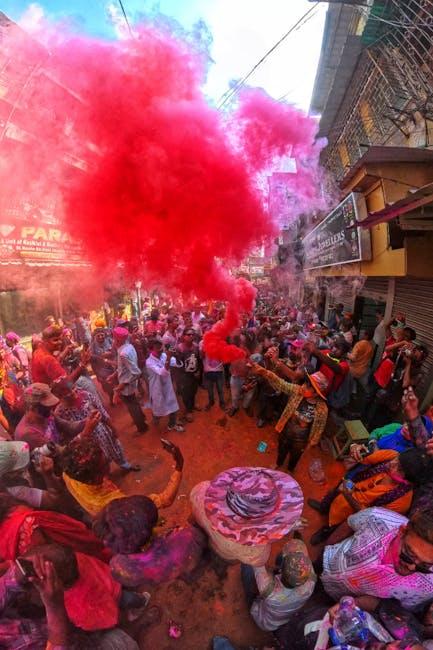
As international travel rebounds and cities recalibrate their cultural calendars, festivals are once again drawing crowds to streets, squares and sacred sites worldwide. From century-old rites to contemporary mash-ups of music, food and ritual, these events offer a window into living traditions-and a barometer of how communities celebrate, remember and innovate.
This report identifies the best cultural festivals around the world based on heritage significance, scale and continuity, artistic breadth, community participation, accessibility for visitors, and stewardship of local traditions. The selection draws on expert interviews, attendance data where available, government and tourism board records, and UNESCO listings, as well as on-the-ground reporting.
Spanning every season and region-from winter lanterns and spring new-year rites to summer carnivals and autumn harvests-the festivals featured here reflect both local specificity and global appeal. For travelers and readers alike, the guide outlines when to go, what to expect, and how to take part responsibly in ways that support host communities.
Table of Contents
- Festivals that define a place Signature experiences from Gion Matsuri in Kyoto to Inti Raymi in Cusco
- When to go and how to get in Best weeks ticket strategies and vantage points for Rio Carnival Diwali in Jaipur and Oktoberfest in Munich
- What to eat wear and respect Local etiquette safety and sustainability tips with on the ground recommendations
- To Wrap It Up
Festivals that define a place Signature experiences from Gion Matsuri in Kyoto to Inti Raymi in Cusco
From Kyoto’s centuries-old pageant of engineering and devotion to Cusco’s revival of Inca state ritual, flagship festivities distill place, memory, and power into public spectacle-floats creak past machiya townhouses, emperors are reborn on fortress lawns, and whole cities turn into open-air stages where residents, pilgrims, and viewers briefly share the same script of identity.
- Gion Matsuri, Kyoto (July): Monumental yamaboko floats roll in the Yamaboko Junko parade, while yoiyama nights light wooden streets with lanterns and festival chants.
- Inti Raymi, Cusco (June 24): The Sapa Inca leads a sun ceremony at Sacsayhuamán, with Quechua invocations, ceremonial llama offerings, and Andean pageantry.
- Timkat, Ethiopia (January): Priests escort sacred tabots in pre-dawn processions; immersion rites and Ge’ez hymns reaffirm Orthodox faith in Addis Ababa and Gondar.
- Naadam, Mongolia (July): The “three games” of wrestling, archery, and long-distance horse racing animate steppes and stadiums, wrapping sport in nomadic heritage.
- Día de los Muertos, Oaxaca (Nov 1-2): Marigold pathways, candlelit cemeteries, and costumed comparsas turn remembrance into a communal, color-saturated vigil.
- Loi Krathong & Yi Peng, Chiang Mai (Nov): River offerings drift under temples as coordinated sky lantern releases etch Lanna traditions into the night.
- Venice Carnival, Italy (Feb): Masked balls and baroque finery reclaim canals and campos, reviving a republic’s love of spectacle and secrecy.
When to go and how to get in Best weeks ticket strategies and vantage points for Rio Carnival Diwali in Jaipur and Oktoberfest in Munich
Peak experiences hinge on precise timing, official channels, and elevated viewpoints-here’s how to lock in prime weeks, secure entry, and see the spectacle from the best angles.
- Rio Carnival (Rio de Janeiro) – Best window: Special Group parades on Sunday-Monday of Carnival week (late Feb-early Mar; dates vary); Access Group the preceding Fri-Sat is cheaper and less crowded. Tickets: Buy Sambadrome seats (Sectors 6-8 for balanced views) via LIESA or authorized agents 8-12 weeks out; avoid street resellers; camarotes require packages. Limited same-day returns at the box office. Vantage points: The central curve near Sectors 6-7 captures full desfile dynamics; arrive before 20:00. For blocos, Centro and Santa Teresa offer dense lineups. Access: Metro to Praça Onze/Central; travel light, card + small cash, plan rides post-midnight.
- Diwali (Jaipur) – Best window: Dhanteras through Lakshmi Puja night (late Oct-Nov; lunar calendar), with the lighting peak on the main Diwali evening. Entry: Street festivities are free; reserve rooftops, heritage walks, and Amber Fort light-and-sound shows in advance. Vantage points: Johari and Bapu Bazaars for illuminated facades; panoramic city views from Nahargarh Fort and the Jal Mahal promenade. Access: Arrive by afternoon before traffic curbs; use Jaipur Metro/app cabs; dress modestly and expect loud firecrackers.
- Oktoberfest (Munich) – Best window: Opening weekend for the ceremonial taps and parades; otherwise Tue-Thu before 15:00 for easiest tent entry; the second weekend (“Italian Weekend”) is the busiest. Entry: Grounds are free; tents require a seat to be served-reserve tables 6-9 months ahead via tent sites or queue from 09:00-10:00 for walk-ins. Consider the calmer Oide Wiesn (small entry fee). Vantage points: Bavaria statue steps and the Ferris wheel (especially at Oide Wiesn) for sweeping shots of Theresienwiese. Access: U4/U5 to Theresienwiese/Schwanthalerhöhe or S-Bahn to Hackerbrücke; bring cash, avoid large bags.
What to eat wear and respect Local etiquette safety and sustainability tips with on the ground recommendations
Across parades, pilgrimages, and street feasts, preparation anchored in respect, basic hygiene, and local norms lets you celebrate fully without leaving a heavy footprint.
- Eat: Choose high-turnover stalls and made-to-order dishes; in Mexico’s Día de los Muertos seek fresh tlacoyos, in Thailand’s Songkran opt for piping-hot curries; carry hand sanitizer and charcoal tablets; skip raw greens where water quality is uncertain; tip modestly in cash where customary.
- Wear: Closed shoes and light layers; modest cover for religious rites (shawl, long trousers); event-specific picks-light cotton whites for Holi you don’t mind staining, waterproof pouch for Songkran, optional dirndl/lederhosen at Oktoberfest without novelty props; pack earplugs and a brimmed hat.
- Etiquette: Ask before photographing faces, altars, or dancers; never touch ritual objects; keep walkways clear and voices low during ceremonies; in Ethiopia’s Timkat, women often cover hair near water blessings; respect dry zones at alcohol-free festivals and fasting periods.
- Safety: Note exits on arrival and set a rendezvous point; wear valuables front-facing; hydrate and alternate alcoholic drinks with water; use licensed taxis or vetted ride-hails; carry a copy of ID; know local emergency numbers (112 EU, 911 US/Canada, 999 UK, 110 Japan).
- Sustainability: Bring a reusable bottle/cup and cutlery; share plates to reduce waste; favor vendors using local, seasonal produce; refuse single-use garlands, masks, and balloons; arrive by public transit or on foot; keep pigments, confetti, and candles away from waterways and heritage facades.
- On the ground: Arrive early for safe vantage points at processional corners; carry small bills and offline maps; check dress codes and curfews on city advisories; follow steward instructions and temporary barriers; learn a few phrases for thanks and permission to photograph.
To Wrap It Up
From lantern-lit processions to desert parades, the festivals highlighted here underscore how living traditions shape national identity and local economies alike. As international travel continues to normalize, organizers are balancing surging demand with concerns over crowd safety, environmental impact and cultural preservation, introducing measures from attendance caps to plastic-free policies and revised routes.
Prospective visitors should verify dates, ticketing and entry rules with official sources; schedules can shift due to weather, security or public health considerations. Accommodation and transport often reach capacity months in advance. Local guidance on dress, conduct in sacred spaces and photography varies widely, and adherence is expected.
For host communities, these gatherings remain both showcase and safeguard. For travelers, they offer context that itineraries alone cannot provide. The coming season will test how festivals maintain access without diluting authenticity-a dynamic that will continue to shape the cultural calendar worldwide.