

Borders have reopened, airline capacity is climbing, and travelers are returning to the world’s storied landmarks. From ancient cityscapes to sacred landscapes, cultural heritage sites are adapting to a new era of tourism shaped by crowd controls, climate risks, and fast-changing access rules. The result: a shifting map of places that are not only safe and open, but especially rewarding to visit now.
This report spotlights destinations where something has changed for the better-recent restorations, new museum wings, reopened trails, improved rail links, or smarter visitor management that protects local communities and fragile monuments. It also reflects a harder reality. Some sites face wildfire seasons, flooding, and conflict-related closures; others are introducing timed entries and caps to preserve what makes them special. Our selections weigh preservation status, seasonal conditions, community benefit, and the quality of on-the-ground interpretation, with input from conservation experts and local authorities.
Whether you are planning a long-haul journey or a regional escape, these places offer a chance to engage with living history responsibly. Book ahead, travel in shoulder seasons where possible, and follow site guidance on respectful conduct. The world’s cultural treasures are open-on new terms. Here’s where to go, and why now.
Table of Contents
- UNESCO standouts to see now new permits crowd limits and conservation updates travelers should know
- Petra Angkor and Machu Picchu when to go respectful etiquette and the local guides to book
- Europe’s living heritage from Matera to Transylvania stays that give back routes by train and what to skip
- Closing Remarks
UNESCO standouts to see now new permits crowd limits and conservation updates travelers should know
Heritage authorities are tightening access as visitor numbers surge, rolling out new timed-entry systems, capacity caps, and stricter permit checks to protect fragile sites; travelers should expect advanced booking, ID verification, and on-site conservation rules to be enforced at peak hours and during restoration works.
- Acropolis of Athens, Greece – A daily cap with mandatory time-slot e-tickets aims to ease bottlenecks; expect controlled flows on the hill and earlier sellouts in summer.
- Venice and its Lagoon, Italy – On designated high-traffic days, day visitors must obtain a QR access pass and pay a fee; overnight guests are exempt but should carry proof of stay as random checks increase.
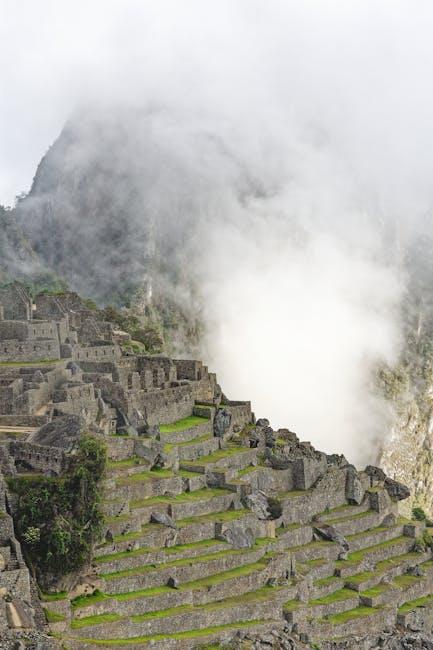
- Machu Picchu, Peru – Entry now follows fixed circuit routes with timed admission; tickets are passport-linked, bag size is restricted, and Inca Trail permits continue to sell out months in advance.
- Galápagos Islands, Ecuador – The national park fee has risen, and visits are tightly regulated via licensed itineraries; naturalist guides are compulsory on landings and drones are prohibited without special authorization.
- Borobudur Temple Compounds, Indonesia – Limited daily rooftop access requires quota tickets and protective footwear issued on site; guided time slots are enforced to protect the stone reliefs.
- Hoi An Ancient Town, Vietnam – Old Town entry tickets are being strictly checked at access points; passes fund conservation and include visits to selected heritage houses and assembly halls.
- Rapa Nui National Park (Easter Island), Chile – Online registration and a park permit are required; certain ahu zones mandate local guides, and some trails may close periodically for restoration.
- Stonehenge, United Kingdom – Pre-booked timed tickets are standard; solstice and equinox access follow separate crowd-management rules and bag checks.
Petra Angkor and Machu Picchu when to go respectful etiquette and the local guides to book
Seasonal windows, on-site etiquette, and accredited guiding are shaping responsible travel at three UNESCO icons, with operators reporting sustained demand and stricter compliance checks on the ground.
- Petra (Jordan) – When to go: March-May and September-November for cooler hikes and softer canyon light; arrive at dawn or late afternoon to avoid peak heat. Respectful etiquette: Dress modestly, stay off fragile tomb facades, don’t buy antiquities or carve the sandstone, and ask before photographing Bedouin. Guides to book: Licensed guides via the Petra Visitor Center or Jordan Tourism Board-accredited professionals; consider community-led walks from Wadi Musa and Umm Sayhoun to keep spend local.
- Angkor (Cambodia) – When to go: November-February (dry, cooler, busiest); shoulder months offer dramatic skies and fewer crowds at sunrise. Respectful etiquette: Cover shoulders and knees, remove hats in active shrines, avoid touching bas-reliefs, keep voices low, and skip drones. Guides to book: APSARA Authority-licensed guides booked through Angkor Enterprise counters or registered Siem Reap agencies; prioritize Khmer-run operators and small-group formats.
- Machu Picchu (Peru) – When to go: May-September is the dry season (June-August busiest); February often sees Inca Trail closures for maintenance. Respectful etiquette: Follow marked circuits, no food or tripods inside, trekking poles need rubber tips, and don’t approach wildlife. Guides to book: Ministry of Culture-accredited guides at the entrance or prebook via licensed Cusco-based operators; secure entry tickets and permits weeks to months ahead.
Europe’s living heritage from Matera to Transylvania stays that give back routes by train and what to skip
From Matera’s stone-cut lanes to the fortified church villages of Transylvania, heritage corridors are pivoting to rail-first access and community-owned hospitality, channeling visitor spend into restoration funds and craft apprenticeships while cutting emissions; with cross-border services improving and village guesthouses underwriting church repairs, the most responsible itinerary now prioritizes slow trains, fair-pay stays, and evidence-based conservation.
- Routes by train: Bari Centrale-Matera (FAL local) for direct access to the cave districts; Bari/Rome-Venice-Trieste-Ljubljana-Budapest-Cluj-Napoca for a scenic northeast arc; Budapest-Brașov or Cluj-Napoca via InterCity day services; Vienna-Budapest-Transylvania on overnight links with simple connections. Consider Interrail/Eurail and reserve seats in peak months.
- Stays that give back: Cooperative-run cave lodgings in the Sassi that finance stonework and rainwater-channel repairs; heritage guesthouses in Saxon villages such as Viscri, Criț, and Mălâncrav that fund fortified-church conservation and craft training; agriturismi in Basilicata and family-run pensiuni in Transylvania that source locally and publish clear impact reports.
- What to skip: Short-haul flights on corridors with sub‑8‑hour rail; unlicensed cave rentals and party lets displacing residents; driving into ZTL historic cores; peak-hour queues and kitsch “Dracula” shows at Bran-go early or opt for Biertan, Prejmer, or Saschiz; wildlife-baiting “bear watching” tours and off‑trail wandering that erodes fragile sites.
Closing Remarks
As travel demand rebounds and preservation pressures intensify, these sites stand at a pivotal moment-balancing access with conservation amid climate threats, over-tourism, and ongoing restoration. Many have introduced timed entries, capacity limits, and new interpretation programs, underscoring a shift toward more managed, meaningful visits.
Prospective travelers should monitor official advisories, booking windows, and local guidelines, and consider lower-impact seasons and operators that support community stewardship. The list is not exhaustive; it reflects places where conditions, funding, and infrastructure currently favor responsible exploration. What remains constant is the urgency: safeguarding cultural heritage is a collective endeavor. Visiting with care helps ensure these landmarks endure not just as destinations, but as living records of human history.