

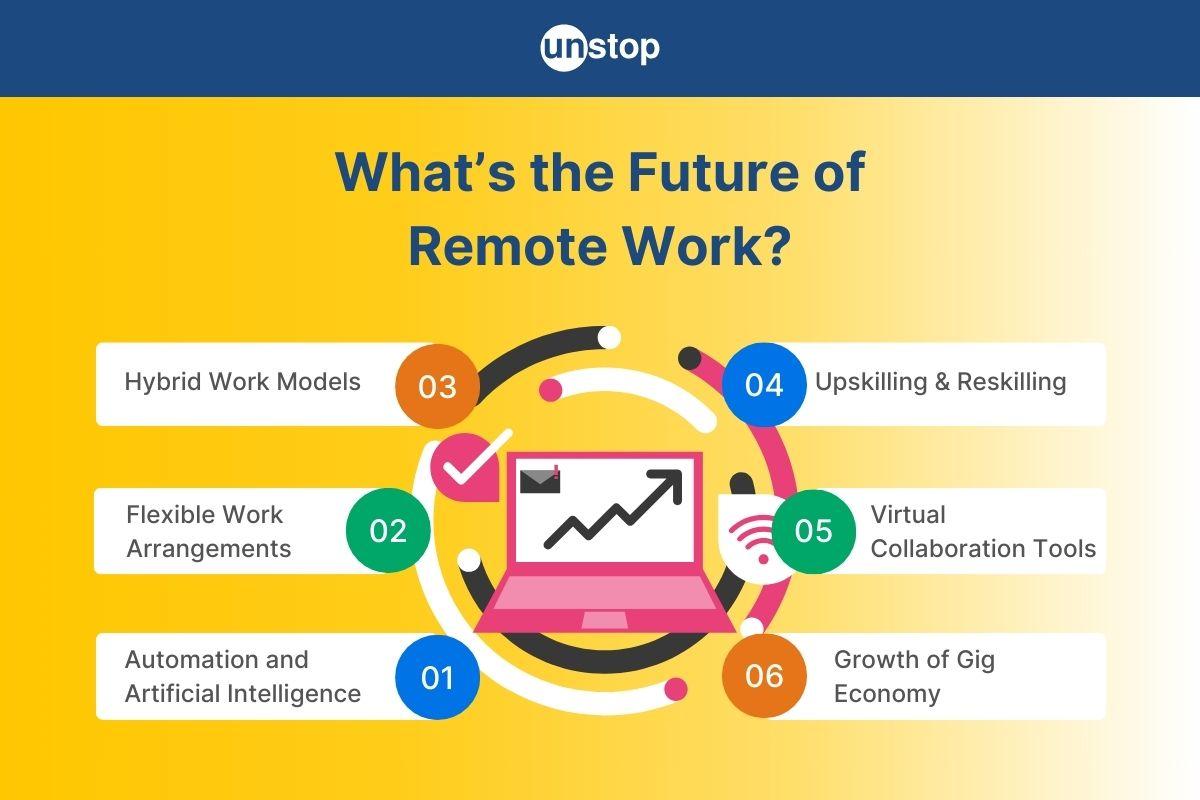
Remote work, once a pandemic workaround, is now reshaping how and where economies grow. As employers settle into hybrid schedules and distributed teams, decisions about office footprints, hiring geographies and compensation are moving from temporary fixes to long-term strategy. The result is a reordering of labor markets, real estate values and local tax bases that reaches far beyond the tech sector.
From central business districts facing higher vacancy rates to midsize cities and rural areas courting newly mobile professionals, the geography of work is in flux. Companies are re-evaluating productivity metrics and pay bands, workers are negotiating flexibility against career progression, and policymakers are weighing how to fund transit, schools and services amid shifting commuter patterns and uneven recovery.
This article examines where the trend is headed and what it means for growth: the outlook for commercial property and municipal finance, the redistribution of jobs and wages, the competitiveness of regions and firms, and the policy choices-on infrastructure, housing, taxation and training-that could determine who gains and who falls behind in the next phase of remote work.
Table of Contents
- Remote Work Enters Its Second Act Productivity Rises as Innovation and Mentorship Risks Persist
- Downtowns Strain While Second Cities and Rural Hubs Compete for Talent and Small Business Growth
- The Policy and Corporate Playbook Expand Broadband and Childcare Modernize Tax and Zoning Incentives Train Hybrid Managers and Protect Gig Workers
- Concluding Remarks
Remote Work Enters Its Second Act Productivity Rises as Innovation and Mentorship Risks Persist
As distributed teams settle into normalized routines, companies are reporting leaner meeting loads, deeper focus windows, and a measurable lift in output per employee, even as executives warn of attenuated idea flow and weaker apprenticeship pathways in fully remote settings; capital is shifting from downtown leases to cloud, automation, and security spend, while labor markets rebalance toward skills-based hiring across geographies, compressing some wage premiums and expanding the talent funnel; meanwhile, hybrid models are becoming the default compromise-pairing asynchronous workflows and AI copilots with deliberate in-person sprints-but the policy and management challenge remains: preserving the efficiency dividend without eroding innovation velocity or early-career development, where proximity still matters most.
- Signals to watch: patent filings per R&D dollar, onboarding cycle times, and cross-functional project throughput.
- Investment shifts: reduced office footprint vs. rising budgets for collaboration suites, data governance, and upskilling.
- Workforce impacts: mentorship program participation, internal mobility rates, and attrition among junior cohorts.
- Macro effects: suburban service demand, commercial real estate repricing, and regional wage convergence.
Downtowns Strain While Second Cities and Rural Hubs Compete for Talent and Small Business Growth
Remote work’s permanence is redrawing the economic map: legacy cores grapple with rising office vacancies, lighter weekday foot traffic, and softening tax receipts, while midsize metros and rural hubs step into the vacuum with lower costs, faster permitting, and targeted entrepreneurship programs; corporate hub-and-spoke models, expanding broadband, and a surge in new business filings are channeling talent and venture activity into places once overlooked, even as receiving communities confront capacity strains in housing, childcare, and transit-pressing policymakers to balance downtown conversions and hybrid-friendly zoning with incentives that spread growth without inflating rents or eroding local character.
- Commercial signals: Office and retail vacancy trends, sublease volumes, and conversion pipelines.
- Population flows: Net migration to midsize and rural counties; commuter and transit ridership shifts.
- Business formation: New LLC registrations, microenterprise lending, and storefront openings.
- Wage policy: Regional pay adjustments, salary convergence, and remote compensation benchmarks.
- Digital capacity: Fiber coverage, 5G buildouts, and coworking seat availability.
- Housing pressure: Inventory, permits, rent growth, and adaptive-reuse outcomes.
- Local finance: Sales and property tax mix, incentive spend, and small-grant efficacy.
The Policy and Corporate Playbook Expand Broadband and Childcare Modernize Tax and Zoning Incentives Train Hybrid Managers and Protect Gig Workers
As remote work hardens from experiment to norm, policymakers and executives are coalescing around interventions that treat connectivity and caregiving as core infrastructure, recalibrate incentives for a less commute-centric economy, professionalize leadership for hybrid teams, and extend baseline protections to platform-based workforces.
- Broadband: Target last‑mile buildouts and open‑access fiber, tie subsidies to affordability and reliability benchmarks, and streamline permitting to accelerate deployment.
- Childcare: Expand subsidies and public‑private partnerships, offer employer credits for on‑/near‑site care, and align licensing and hours with split‑shift and flexible schedules.
- Tax and Zoning: Simplify home‑office deductions, enable by‑right conversions of vacant offices to housing, and pivot incentives toward job creation and wage gains rather than commute-based location.
- Hybrid Management: Train supervisors in outcome‑based KPIs, equitable visibility practices, and asynchronous workflows; standardize norms for meetings, documentation, and time‑zone fairness.
- Gig Worker Safeguards: Establish portable benefits, minimum earnings floors indexed locally, clear classification tests, and data transparency on algorithms and deactivations.
Concluding Remarks
For now, the contours of remote work are settling into a hybrid reality, with uneven productivity gains, altered commuting patterns, and a reshaped demand for office space. Wage setting is decoupling, at least partially, from geography, and the ripple effects are visible in city tax bases, transit revenues, and small-business foot traffic. Regional labor markets are reorganizing as employers widen their talent pools and households reassess where to live.
What happens next will hinge on policy and investment choices. Lawmakers are weighing portable benefits, cross-border tax rules, and broadband buildouts; cities are testing office-to-residential conversions and transit funding fixes; companies are recalibrating real estate footprints, cybersecurity, and cloud spending. Organized labor, too, is pressing to define standards for remote conditions and surveillance.
The next phase will be tested by the business cycle and by the spread of AI-enabled, asynchronous tools. A downturn, or a renewed labor shortage, could reset bargaining power and adoption curves. Whether remote work ultimately narrows or widens inequality-and how its costs and gains are distributed across regions-will depend on these decisions. The shift looks durable. The economic impact is still being tallied.