

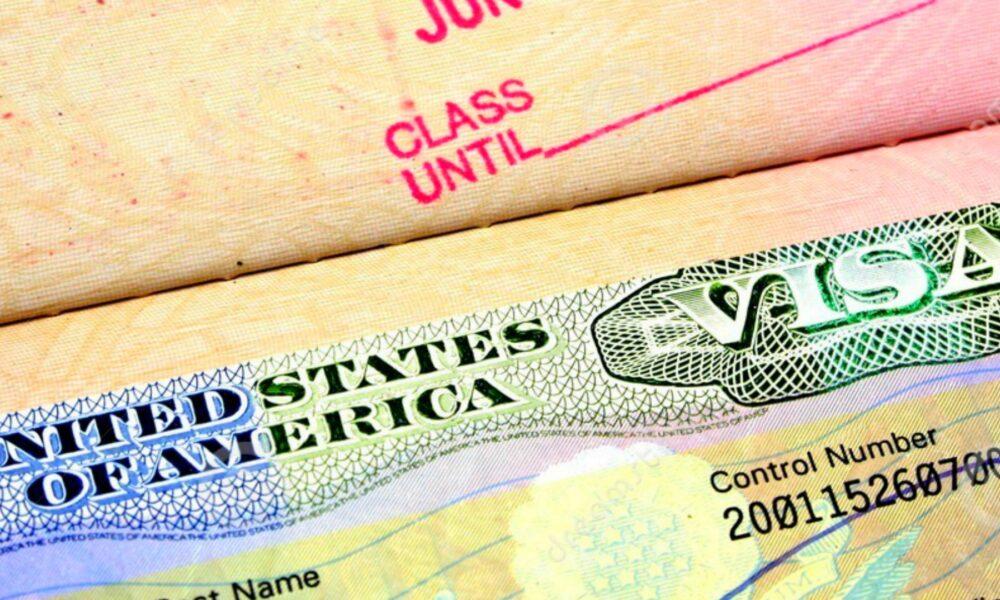
The United States is now granting athletic visas to professional esports competitors, a policy shift that formally recognizes elite video-game players as athletes for immigration purposes. The move is expected to ease long-standing travel hurdles for international teams and stars seeking to compete in U.S.-based leagues and tournaments.
By opening the P-1A “internationally recognized athlete” category to esports, immigration authorities give teams and event organizers a clearer pathway to bring in talent, after years of inconsistent approvals that disrupted rosters and schedules. The change underscores the rapid growth of competitive gaming and could bolster the U.S. market’s bid to host marquee events, attract sponsorships, and retain training hubs amid intensifying global competition.
Table of Contents
- Federal recognition of esports athletes opens a new path for entry
- What the visa policy means for teams tournaments sponsors and the event calendar
- Key documentation pitfalls and how applicants can strengthen their cases
- Practical steps for players teams and organizers to ensure compliance and smooth travel
- To Wrap It Up
Federal recognition of esports athletes opens a new path for entry
In a move that places competitive gaming alongside mainstream sports in immigration policy, federal agencies now evaluate professional players under the established athlete visa framework. That recognition gives teams and organizers a predictable, season-long pathway to bring rosters stateside, replacing last-minute visitor entries and inconsistent consular decisions. For the ecosystem, the change formalizes labor mobility, brings compliance expectations into focus, and strengthens the U.S. as a host for top-tier events.
- Team sponsorships cleared: Organizations can petition for P-1A athlete visas, with P-1S available for essential coaches and analysts where applicable.
- Season planning stabilized: Players can anchor residency around league calendars and majors, easing travel for bootcamps and multi-stop circuits.
- Event certainty improved: Tournament operators gain earlier confirmations, reducing late withdrawals and competitive imbalance.
- Compliance elevated: Contracts, pay, and tax obligations move under established U.S. sport-visa standards.
The bar remains high: applicants must show international distinction and a structured competitive itinerary, and organizers must document league governance and integrity safeguards. Clear evidence makes the difference at adjudication.
- Proof of achievement: Major finals appearances, rankings, MVP awards, and verifiable earnings.
- Official letters: Endorsements from leagues, teams, and governing bodies outlining rulesets and season formats.
- Detailed schedules: Dates and venues for regular season matches, bootcamps, media days, and LAN events.
- Contract records: Player agreements, compensation terms, and support-staff roles aligned to petition categories.
What the visa policy means for teams tournaments sponsors and the event calendar
Teams gain predictable travel timelines, enabling stable rosters, deeper scouting, and longer bootcamps on U.S. soil, while tournament organizers can lock talent lineups earlier and reduce costly contingencies tied to last‑minute visa denials. With eligibility standardized, organizers are expected to elevate U.S. stops from “tentative” to “committed,” and player health management improves as emergency stand-ins and compressed travel windows decline. The policy also nudges practice facilities, talent agencies, and support staff to co-locate around U.S. hubs, tightening the ecosystem’s logistics chain.
- Roster security: fewer late withdrawals, clearer pathways for mid-season transfers and academy call-ups.
- Operational savings: reduced legal churn and rebooking fees; more efficient scrim scheduling across regions.
- Competitive integrity: fuller brackets and fewer uneven groups caused by visa gaps.
- U.S. venue leverage: increased bargaining power for arenas and cities courting major LANs.
Sponsors read the move as a green light for bigger on-site activations, athlete appearances, and consumer-facing experiences timed to marquee events, with less risk of headliner absences undermining campaigns. The event calendar could tilt toward U.S.-anchored circuits and mid-season showcases, compressing travel for North American audiences while creating sharper windows for global finals; expect rights holders to recalibrate dates to align with campus availability, broadcast prime time, and city bidding cycles.
- Brand planning: longer lead times for creator collaborations, hospitality, and retail tie-ins around LAN weekends.
- Schedule clarity: earlier ticket drops and media buys, reducing conflicts with traditional sports tentpoles.
- Market concentration: more back-to-back events in U.S. metros to maximize talent presence and cut travel dead time.
- Measurement lift: fewer roster disruptions improve narrative continuity, aiding viewership forecasts and CPM stability.
Key documentation pitfalls and how applicants can strengthen their cases
Officials note that many esports petitions falter not on skill but on paperwork. Common weak points include thin evidence of international recognition, overreliance on social media metrics, and submissions that don’t tie achievements to recognized circuits. In some cases, the file doesn’t clearly show who is petitioning (team, league, or agent), muddles a player’s legal name and handle, or fails to verify prize earnings and rankings with independent sources-issues that can derail a P‑1A or, in select cases, O‑1A bid.
- Unofficial results: screenshots without URLs, missing dates, or non-verifiable brackets.
- Ambiguous recognition: team trophies cited as individual dominance, or regional wins presented as global standing.
- Inadequate third‑party coverage: reliance on team blogs or self‑published posts instead of independent media.
- Ranking gaps: no proof of position in accepted leaderboards or season standings.
- Contract and itinerary holes: missing match schedules, event invitations, or promoter letters showing upcoming competition in the U.S.
- Authority letters that say little: generic endorsements from leagues or organizers without specifics on competitive stature and field strength.
- Document mismatches: inconsistent gamer tags, passport names, and dates; untranslated foreign documents.
- Prize money claims: no independent confirmation of payouts, currency conversions, or tax forms.
Applicants who succeed tend to present a newsroom-ready dossier: clear, verifiable data, independent corroboration, and letters that map directly to the statutory criteria. Compiling a record that demonstrates sustained elite performance-and anchoring it to recognized tournament ecosystems-can materially strengthen the case.
- Evidence from neutral sources: linkable databases (e.g., event organizers’ archives, reputable stats sites), major media features, and broadcast recaps.
- Specific endorsement letters: from league officials, tournament directors, or national federations detailing field quality, format, placement, and significance.
- Rankings and seeding history: season-by-season standings, seeding sheets, and head‑to‑head records against top‑ranked opponents.
- Contracts and U.S. itinerary: executed player or team agreements, appearance commitments, scrim schedules, bootcamps, and event invitations with dates and venues.
- Prize verification: official payout notices, bank or organizer confirmations, and currency conversions; include tax or withholding records when available.
- Consistency checks: align legal name and gamer tag across passports, contracts, and press; provide certified translations for all non‑English materials.
- Anti‑cheat and compliance letters: statements from league integrity units confirming eligibility and participation under competitive rules.
- Sustained acclaim: a timeline of major placements, MVP awards, broadcast appearances, and sponsorships that demonstrate ongoing-not one‑off-excellence.
Practical steps for players teams and organizers to ensure compliance and smooth travel
Players and teams should start early and prepare a clean paper trail. File the P-1A petition (and P-1S for essential staff) with enough runway-use premium processing if event dates are tight. Bring originals and copies of the I-797 approval, signed contracts, tournament invitations, an itinerary showing match dates and venues, proof of international ranking or medals, and a recent portfolio of results. For consular steps, complete the DS-160, track fee receipts, and confirm any local embassy add-ons (translations, courier rules). At the border, expect device and bag scrutiny: keep equipment lists ready, consider an ATA Carnet for temporary gear, and travel with a pared-down “clean” laptop. Align flights with petition validity, carry a return booking, and have W-8BEN/withholding details ready for prize money or salaries.
- Document kit: I-797, passport valid 6+ months, DS-160 confirmation, consular fee receipt, team letter, event invite, itinerary, proof of funds/hotel, return ticket.
- Evidence of achievement: official rankings, prior placements, media coverage, league certifications.
- Gear logistics: ATA Carnet or itemized inventory; airline rules on lithium batteries; spares in carry-on.
- Data hygiene: minimize local data, log out of cloud services, enable device PINs; be prepared for CBP inspection.
- Taxes and payouts: team finance contact on call; forms for withholding and ITIN workflows; prize letters on letterhead.
Organizers can reduce friction by standardizing invitations and centralizing visa support. Issue letter packets with event sanctioning language, prize pool details, dates, venue addresses, and confirmation that competition is internationally recognized-information consular officers expect for P classification. Create a visa calendar with filing windows, offer template evidence for teams, and budget for premium processing on late qualifiers. Coordinate with venues and airlines on bulky gear, provide 24/7 arrival support during ingress days, and maintain a rapid-response channel with immigration counsel for secondary inspections or missed interviews. Build contingency policies for substitutions and remote participation if a petition is delayed.
- Standardized invites: include athlete names/passports, event schedule, accreditation level, and prize distribution mechanics.
- Central help desk: track petition numbers, interview dates, and approvals; push alerts for document updates.
- Port-of-entry prep: distribute a one-page “carry” checklist; provide a hotline number and copies of approvals to meet-and-greet staff.
- Equipment pathway: carnet guidance, customs broker option for large shipments, and on-site power/adapter specs.
- Risk planning: backup brackets and travel rebooking rules; clear refund/deferral terms for visa denials.
To Wrap It Up
The move places competitive gaming under the same visa framework long used by traditional sports, potentially easing travel and stabilizing rosters ahead of U.S.-based events. Teams, leagues, and tournament organizers will now look to how adjudicators apply the standards in practice-what counts as “international recognition,” how seasons are defined across titles, and how quickly cases are processed.
With major competitions on the calendar and a global talent market at stake, the policy’s impact will be measured in the months ahead at consulates, airports, and on stage. For now, the United States joins a growing list of countries formally accommodating elite esports under athletic visa rules, signaling a new phase for cross-border play and industry growth.