

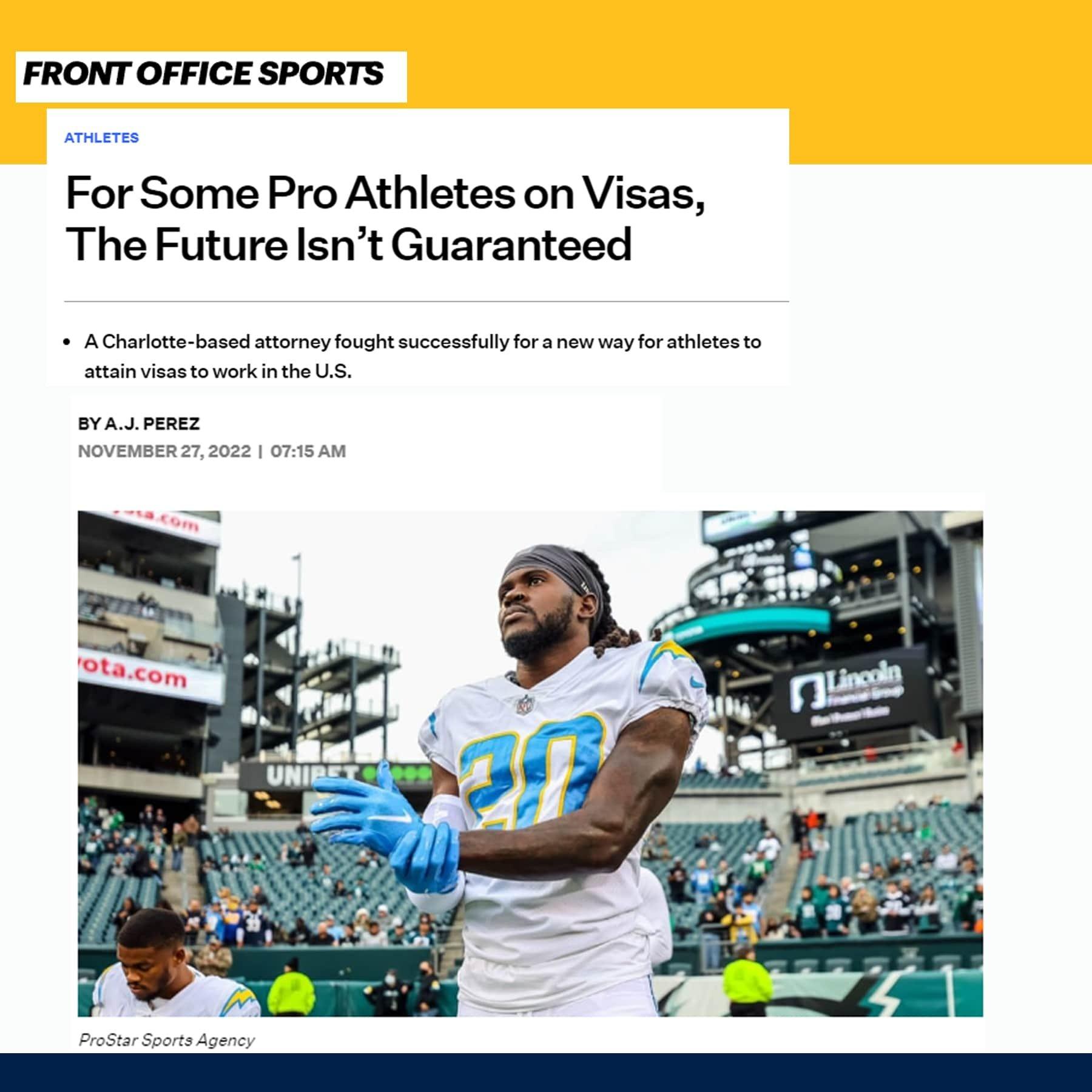
The United States is opening its athletic visa program to esports competitors, granting professional gamers access to the same entry pathway long used by traditional athletes. The shift, confirmed by immigration officials, is expected to ease travel for foreign players and coaches, reduce last-minute visa hurdles, and bolster participation in U.S.-based leagues and tournaments.
By recognizing esports under the athletic visa category, the policy marks a milestone for a rapidly growing industry, signaling formal legitimacy and potentially accelerating investment, team recruitment, and event planning across the U.S. competitive gaming landscape.
Table of Contents
- U.S. Grants Athletic Visa Access to Esports Competitors Under P Athlete Category
- Eligibility and Proof Standards How to Document International Rankings Team Contracts and Revenue Streams
- Processing Timeline and Costs File at Least Ninety Days Early Use Premium Processing and Secure Consultation Letters
- Playbook for Teams and Tournament Hosts Build Compliance Protocols Plan Multi Entry Itineraries and Partner with Immigration Counsel
- Final Thoughts
U.S. Grants Athletic Visa Access to Esports Competitors Under P Athlete Category
The United States has moved to recognize elite competitive gaming under the same framework used for traditional sports, allowing professional players to seek P‑1A athlete classification for league play and international tournaments. Immigration officials say the shift aligns policy with the industry’s global calendar, giving event organizers, teams, and sponsors a clearer pathway to bring rosters stateside. Petitions will be adjudicated by USCIS, with visas issued by the Department of State, and final admission at ports of entry determined by CBP.
Industry attorneys note the change may reduce last‑minute travel risks while formalizing standards long applied case‑by‑case to top players. Approvals can cover multi‑event seasons tied to contracts for individual athletes, with team petitions typically granted in shorter increments and eligible for extension. Essential staff-including coaches, analysts, and managers-may qualify under the companion P‑1S support category, provided the record shows a sustained level of international distinction and a legitimate competitive itinerary.
- Who qualifies: Players with international recognition, documented results, and participation in distinguished leagues or events.
- Petitioner: A U.S. team, organization, or authorized agent files the Form I‑129 for P classification; consular processing follows approval.
- Evidence examples: Major tournament placements, global rankings, contracts, media coverage, prize earnings, and invitations from recognized organizers.
- Consultation: Written input from a relevant peer group or labor organization, where available, may be required under P‑visa rules.
- Timing: Standard processing is available, with optional premium processing for certain petitions; travel remains subject to consular capacity and CBP inspection.
- Support staff: Coaches and team personnel may be included under P‑1S when their roles are essential to the athlete’s performance.
Eligibility and Proof Standards How to Document International Rankings Team Contracts and Revenue Streams
Under the same P-1A and O-1A frameworks long applied to traditional sports, applicants are expected to show sustained, cross-border competitive stature and verifiable performance data. Officers weigh objective, third-party sources over self-published materials, with emphasis on tournament pedigree, team roles, and media coverage. Strong filings typically triangulate rankings, podium finishes, and expert attestations. Useful evidence includes:
- Objective rankings and seedings: Official league tables, circuit standings, LAN placements, and reputable tracker pages (with visible URLs and timestamps).
- Major event participation: Invitations/qualification notices from distinguished events; brackets showing match outcomes; MVP/award citations.
- Independent media and analytics: Press features, broadcast recaps, and third-party performance analytics confirming impact and role.
- Expert letters: Signed statements from coaches, TOs, and analysts detailing international achievements and competitive significance.
- Governing-body or league materials: Membership confirmations, athlete registrations, and compliance records.
Financial documentation should establish that esports is a bona fide profession for the applicant and that U.S. engagements are tied to recognized competitions or organizations. Contracts and revenue proofs must be clear, complete, and traceable back to the payor, with English translations and currency conversions where applicable. Expect scrutiny of source, duration, and exclusivity. Commonly accepted items include:
- Team/employer contracts: Fully executed agreements detailing role, term, compensation, bonuses, and event obligations; include addenda and assignment history across org restructures.
- Prize and appearance income: Event payout statements, wire confirmations, and organizer letters attributing winnings to the athlete or roster.
- Sponsorships and endorsements: Agreements with deliverables and payment schedules; invoices and receipt confirmations.
- Platform payouts: Creator dashboards and monthly statements (e.g., Twitch/YouTube) for streaming revenue; merch storefront reports.
- Payroll/tax corroboration: Pay stubs, annual summaries, or equivalent foreign records aligning with contract terms; letters from finance departments verifying totals.
Processing Timeline and Costs File at Least Ninety Days Early Use Premium Processing and Secure Consultation Letters
Teams and publishers are recalibrating timelines now that esports competitors can access P-1A and O-1 visas. Industry counsel recommends lodging petitions no later than 90 days before the first match, with USCIS allowing filings up to six months ahead of the start date. Build in time for advisory opinions and consular backlogs, especially around major events.
- Evidence prep (2-4 weeks): assemble contracts, rankings, prize earnings, league schedules, press, endorsements, and letters from organizers.
- Advisory/consultation letter (1-3 weeks): obtain from a relevant U.S. labor organization, peer group, or recognized industry authority; where no union exists, detailed expert opinions from league officials, publishers, or sanctioning bodies are commonly accepted.
- USCIS adjudication: regular processing often runs several weeks to a few months, varying by service center; Premium Processing returns a decision in 15 calendar days.
- Consular stage (2-8+ weeks): DS-160 filing, interview scheduling, and visa issuance timelines depend on post volume; plan for seasonal surges around international tournaments.
- Travel window: athletes are typically admitted close to petition validity; coordinate arrivals with team operations and event load-in.
Budgeting is shifting alongside the policy change, with organizers weighing government fees against the cost of delays. While attorney and courier expenses vary, core federal charges for petition-based categories have standardized baselines.
- I-129 filing fee: approximately $510 (P-1) or $530 (O-1) as of the 2024 fee rule.
- Asylum Program Fee (employer-paid): $600 for petitioners with >25 employees; $300 for small employers; many nonprofits are exempt.
- Premium Processing (Form I-907): $2,805 for a 15-day USCIS response; often decisive for event-driven travel.
- MRV visa fee at consulates: typically $205 per athlete for petition-based categories.
- Consultation letter costs: vary by issuing body; some charge administrative fees-confirm with the chosen labor organization or peer group before filing.
Playbook for Teams and Tournament Hosts Build Compliance Protocols Plan Multi Entry Itineraries and Partner with Immigration Counsel
With U.S. athletic visa pathways now in play for professional gamers, organizers are formalizing risk controls once reserved for traditional sports. Teams and hosts are moving quickly to codify compliance protocols, aligning player contracts, event operations, and immigration filings to withstand consular and port-of-entry scrutiny. The goal: keep rosters intact and calendars on track while the first wave of petitions sets precedents for eligibility, evidence standards, and support staff coverage.
- Appoint a compliance lead – central point for roster changes, document intake, and incident reporting across clubs, leagues, and venues.
- Standardize evidence – maintain a secure vault of rankings, prize histories, media coverage, league standing letters, and governing body consults.
- Mirror operations to filings – ensure event formats, venues, streaming obligations, and compensation match what is stated in petitions and contracts.
- Document support roles – map coaches, analysts, managers, and broadcast personnel to proper classifications (e.g., P-1A athletes with P-1S essential support; O-1/O-2 in exceptional cases).
- Prepare port-of-entry packets – include I-797 approvals, itineraries, event confirmations, employer-of-record letters, and insurance details.
- Integrate tax and safeguarding – W-8/W-9 and ITIN workflows, minor-athlete chaperone policies, anti-doping/integrity codes, and data privacy notices.
Scheduling is shifting toward multi-entry itineraries that consolidate training, media days, and regional majors under a single approval window, reducing visa churn and exposure to interview backlogs. Organizers report growing demand for embedded immigration counsel to pre-clear rosters, triage red flags, and manage crisis response when travel disruptions threaten broadcast commitments and sponsorship deliverables.
- Build rolling itineraries – cluster U.S. events with precise dates, venues, and travel legs; update promptly when qualifiers add stops.
- Map consulates to timelines – track interview wait times, reciprocity fees, and petition validity to avoid last‑minute venue swaps or forfeits.
- Adopt counsel on retainer – secure template letters, evidence checklists, and a 24/7 incident line for denials, SSSS screening, or port reviews.
- Align contracts to status – ensure payment structures, NIL activations, and media appearances fall within permitted activities of the visa class.
- Audit communications – keep public schedules, press releases, and social posts consistent with filed itineraries to avoid credibility gaps.
- Rehearse contingencies – designate alternates, remote-cast options, and reseeding protocols if an athlete or coach is delayed.
Final Thoughts
The policy signals a formal recognition of esports alongside traditional athletics, with implications for teams, tournament organizers and players seeking to compete on U.S. soil. Immigration attorneys and leagues will watch closely how agencies interpret eligibility and documentation, and whether processing times keep pace with packed event calendars. Supporters say the move could reduce last-minute travel disruptions and bolster the U.S. as a premier host market; skeptics warn that inconsistent adjudication or limited capacity could blunt its impact. With additional guidance expected and the first applications set to test the system, the practical contours of the change will come into focus in the months ahead. For a rapidly professionalizing industry, the outcome may help determine where talent clusters, where prize pools grow-and how global the playing field truly becomes.