

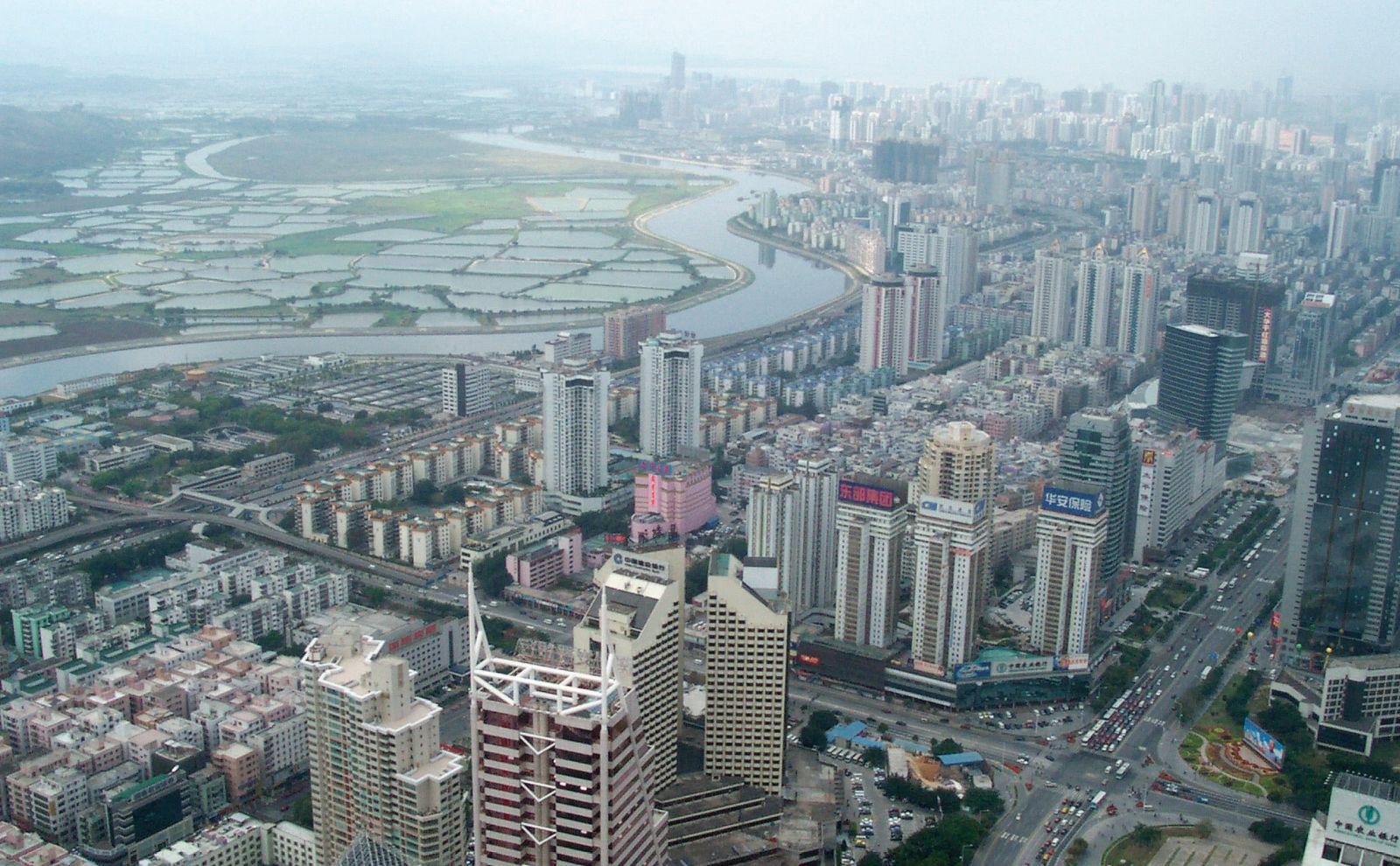
Rapid urban growth is intensifying environmental pressures in cities worldwide, straining air, water and land as infrastructure and governance struggle to keep pace. From worsening air quality and urban heat to mounting waste and water scarcity, the environmental costs of expanding skylines and sprawling suburbs are rising sharply.
The stakes are set to grow. The United Nations projects that by 2050 nearly 70% of the world’s population will live in urban areas, with the fastest expansion in Africa and Asia. Cities already consume the bulk of global energy and are responsible for a large share of greenhouse gas emissions, trends that risk locking in higher climate and pollution burdens without swift changes in how urban areas are planned and powered.
On the ground, the impacts are multiplying: heat-absorbing concrete intensifies deadly temperature extremes; paved surfaces accelerate flooding; aquifers and rivers face competing demands; and development at city edges fragments habitats and erodes green space. Meanwhile, swelling populations are outpacing waste and sanitation systems, amplifying health and environmental risks.
As local leaders weigh housing and economic growth against climate goals, they are testing responses-from mass transit and green building standards to heat action plans, nature-based flood defenses and waste reforms. This article examines how rapid urbanization is driving environmental stress, where the pressures are most acute, and which strategies show signs of delivering relief.
Table of Contents
- Sprawl Overloads Water Systems Adopt Tiered Pricing Leak Detection and Aquifer Recharge
- Heat Islands Intensify Expand Urban Tree Canopy Cool Roofs and Shade Corridors
- Traffic and Industry Drive Smog Shift to Transit Oriented Housing Zero Emission Bus Fleets and Clean Ports
- Waste and Flood Risks Mount Enforce Green Building Codes Build Circular Materials Hubs and Restore Urban Wetlands
- In Summary
Sprawl Overloads Water Systems Adopt Tiered Pricing Leak Detection and Aquifer Recharge
As new suburbs stretch beyond legacy pipes and plants, utilities are racing to manage peak demand with tiered pricing that penalizes high-volume, discretionary use. Early adopters report 15-25% drops in per‑capita consumption, largely from reduced lawn irrigation and car washing, while budget‑based tiers shield essential indoor needs. Rate redesigns are arriving alongside seasonal surcharges, developer impact fees, and expedited landscape conversion rebates, signaling a pivot from supply expansion to demand discipline. Finance officers say the approach stabilizes revenue volatility during drought restrictions, but warn that price signals must be paired with targeted assistance to avoid burdening low‑income households.
At the system level, agencies are cutting losses through leak detection-deploying acoustic loggers, district metered areas, and satellite scans to lower non‑revenue water from double digits toward the sub‑10% benchmark. In parallel, aquifer recharge is scaling via stormwater capture and advanced‑treated wastewater, with new basins sited near declining groundwater subbasins. Engineers cite faster permitting under streamlined state rules, yet caution that recharge efficacy hinges on soil permeability, water quality safeguards, and coordinated pumping caps. Environmental monitors note that building a diversified portfolio-conservation, repairs, and managed recharge-offers the most resilience against hotter, flashier precipitation regimes.
- Policy moves: Budget‑based rates, seasonal tiers, and targeted bill credits to protect essential use.
- Technology rollout: AMI smart meters, pressure management, and continuous acoustic monitoring.
- Performance targets: Non‑revenue water trending to under 10%; peak‑day demand trimmed by 20% in pilot zones.
- Recharge inputs: Stormwater during atmospheric rivers; advanced‑treated effluent year‑round with strict pathogen barriers.
- Funding streams: High‑tier revenues, state revolving funds, and climate bonds backing basin retrofits.
Heat Islands Intensify Expand Urban Tree Canopy Cool Roofs and Shade Corridors
As concrete sprawls and reflective surfaces disappear, city centers are recording hotter days and warmer nights, straining hospitals, transit systems, and power grids. Thermal imaging reveals stark disparities: neighborhoods with sparse vegetation consistently register higher surface temperatures, intensifying heat exposure for outdoor workers, children, and the elderly. Utilities report sharper evening peaks as air conditioners work overtime, while emergency managers warn that compounding heat waves are becoming longer and more frequent-a pattern now shaping zoning debates, capital budgets, and public-health advisories.
- Targeted tree-planting in overheated districts, prioritized through high-resolution heat and equity maps.
- Cool roofs and high-albedo pavements mandated in building codes and procurement standards to reflect solar radiation.
- Shade corridors linking transit stops, schools, and clinics with continuous canopies, pergolas, and bus-shelter upgrades.
- Water-smart greening that pairs canopy expansion with drought-tolerant species, stormwater capture, and permeable surfaces.
- Workforce programs to train local crews for planting, maintenance, and reflective-coating application, creating green jobs.
City planners say the combined package is delivering measurable relief: lower afternoon surface temperatures, fewer heat-related emergency calls, and reduced peak electricity demand during extreme events. Researchers note that block-by-block interventions-backed by maintenance funding, public dashboards, and tenant protections to prevent displacement-are outperforming scattered pilots. With summer records falling across multiple regions, municipal leaders are moving to scale these measures ahead of the next heat season, treating shade, reflectivity, and canopy coverage as core infrastructure rather than amenities.
Traffic and Industry Drive Smog Shift to Transit Oriented Housing Zero Emission Bus Fleets and Clean Ports
Air-quality alarms tied to congestion and heavy industry are pushing city halls to fast-track land-use and fleet decisions that favor people over tailpipes. Planning departments are accelerating transit-oriented development around rail and rapid bus corridors, while transportation agencies place large orders for zero-emission buses and port authorities expand clean cargo operations. Health officials cite mounting evidence that fine particulates and nitrogen oxides cluster along freight routes; housing advocates warn that without safeguards, new stations and cleaner buses can still price out long-time residents.
- Zoning shifts: Upzoning near stations, reduced parking minimums, and mixed-use codes to place jobs, homes, and services within a short walk.
- Fleet electrification: Bulk procurements, depot charging buildouts, on-route chargers, and utility rate reforms to stabilize operating costs.
- Port retrofits: Shore power for vessels, electric yard tractors and cranes, and stricter drayage standards to cut diesel hotspots.
- Demand management: Bus-only lanes, signal priority, and congestion pricing to shift trips from cars to high-capacity transit.
- Equity guardrails: Inclusionary housing near stations, anti-displacement funds, and workforce training for mechanics and operators.
Implementation hurdles remain-grid interconnections, supply chain lead times, and depot land constraints-yet officials signal momentum as climate targets tighten and public pressure intensifies. Early corridors report faster bus speeds and quieter streets, with community groups pushing to lock in benefits through fare relief and affordable leases. Analysts say the next year will hinge on coordinated timelines among transit agencies, utilities, and port tenants, plus measurable air-quality gains in frontline neighborhoods.
- What to watch: federal and state grants closing capital gaps; transparent emissions dashboards; union-backed training pipelines; and legally binding affordability in station-area projects.
Waste and Flood Risks Mount Enforce Green Building Codes Build Circular Materials Hubs and Restore Urban Wetlands
Municipal waste backlogs and flash-flood hazards are converging as denser neighborhoods meet heavier rains, overwhelming drains and pushing runoff laden with debris into streets and homes. Planning departments are responding with tougher compliance: linking occupancy to climate-risk audits, mandating low-impact stormwater systems, and tightening energy and materials performance in permits. Insurers and lenders are exerting parallel pressure, favoring assets that document flood resilience and end-of-life recovery plans, a shift that effectively elevates green construction standards from optional to operational.
- Water-sensitive design: green roofs, permeable surfaces, rain gardens, and on-site detention sized for cloudburst scenarios.
- Resilience retrofits: backflow preventers, raised electrical systems, and flood-compatible ground floors in reissued permits.
- Material transparency: “passports” for major components, enabling reuse and verified recycled content in public projects.
- Deconstruction-first rules: diverting demolition debris from landfills; contractor certifications tied to recovery rates.
- Operational controls: on-site organics capture and waste-room standards that prevent litter from entering waterways.
Authorities are pairing these rules with circular materials hubs and the revival of urban wetlands-a twin-track approach to cut disposal volumes while storing floodwaters where they cause least harm. Industrial parcels near logistics corridors are being rezoned for reuse markets, composting and biosolids processing, and precision sorting; at the same time, cities are freeing buried streams, buying at-risk floodplain lots, and installing living shorelines. Officials say performance will be judged by diversion rates, peak-flow reductions, and avoided emissions baked into procurement and bond disclosures.
- Circular hubs: repair/refurbish clusters, a digital marketplace for salvaged components, and city purchasing quotas for recovered materials.
- Wetland restoration: daylighting culverted creeks, expanding riparian buffers, and creating absorbent parklands that double as flood basins.
- Incentives and finance: fee rebates for high-reuse designs, pay-for-performance contracts for stormwater outcomes, and green-mortgage add-ons.
- Community partnerships: neighborhood compost depots, workforce training in deconstruction, and stewardship agreements with local groups.
In Summary
As cities swell, the environmental ledger is tilting under the weight of growth-straining air and water systems, eroding green space, and amplifying heat and flood risks. The tools to temper that pressure are well known: tighter land-use rules, cleaner transit and power, resilient infrastructure, and protections that shield vulnerable neighborhoods from disproportionate harm.
Whether they are deployed at the pace urbanization demands remains the open question. With budgets, ballots, and building permits now in play, the next round of local decisions will determine if expansion deepens the damage or charts a path to cleaner, more equitable growth. The stakes are immediate, and the timeline is short.