

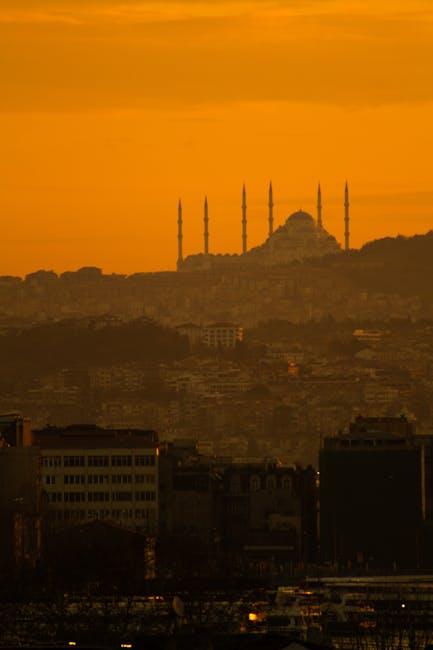
From ancient pilgrimage routes to modern meditation retreats, spiritual and religious travel is drawing renewed attention as travelers seek meaning alongside mileage. Sacred cities, shrines, and ceremonial landscapes are seeing steady interest from both devout pilgrims and secular visitors looking to connect with history, ritual, and community.
This report surveys the world’s top destinations for faith-based and contemplative journeys, from centers of organized religion to remote sites revered for centuries. It examines how travelers are navigating access and etiquette at living places of worship, the pressures of crowding at marquee sites, and the growing emphasis on respectful, low-impact visits.
Readers will find context on seasonality, major festivals, and on-the-ground logistics, as well as the cultural protocols that shape each experience. Whether planning a once-in-a-lifetime pilgrimage or a reflective detour on a broader itinerary, the following guide maps out where belief, heritage, and travel intersect today.
Table of Contents
- Pilgrimage Capitals Jerusalem Bodh Gaya Varanasi and Santiago With Best Seasons Dress Codes and Local Etiquette
- Sacred Healing and Reflection Lourdes Sedona and Kyoto Temples With Logistics Trusted Guides and Retreat Recommendations
- Practical Planning Visas Budget and Safety for Visiting the Vatican Amritsar Lalibela and Angkor Wat
- Closing Remarks
Pilgrimage Capitals Jerusalem Bodh Gaya Varanasi and Santiago With Best Seasons Dress Codes and Local Etiquette
As faith tourism accelerates worldwide, travelers are tracking practical, on-the-ground guidance for four marquee centers-timing visits around climate and festivals, adhering to modest dress across sacred precincts, and following courtesy rules shaped by local custom and security protocols.
- Jerusalem
- Best seasons: March-May and September-November for mild weather and major observances (Passover/Easter, High Holidays).
- Dress code: Modest attire at all holy sites; cover shoulders and knees. Carry a scarf; men may need a head covering at the Western Wall.
- Local etiquette: Observe Shabbat quiet hours and closures (Friday sunset-Saturday sunset); avoid photography in ultra‑Orthodox areas; comply with security checks; keep voices low at shrines.
- Bodh Gaya
- Best seasons: November-February for cool, dry conditions and major teachings/retreats.
- Dress code: Modest, lightweight clothing; shoulders and knees covered. Remove shoes at temples; avoid leather in some monasteries.
- Local etiquette: Walk clockwise around stupas; maintain silence near the Bodhi Tree; do not point feet at shrines; ask before photographing monks; donate discreetly.
- Varanasi (Kashi)
- Best seasons: October-March; clearer air and festivals such as Dev Deepawali; avoid peak monsoon.
- Dress code: Conservative clothing on ghats; remove footwear at temples; swimwear is culturally inappropriate outside designated areas.
- Local etiquette: No photography of cremations at Manikarnika/Harishchandra; keep distance from rituals; negotiate boat fares upfront; do not litter along the Ganges.
- Santiago de Compostela
- Best seasons: May-June and September-October for lighter crowds and steady weather; July-August sees peak pilgrim volume.
- Dress code: Cathedral standards request covered shoulders and hats off; pilgrim attire is welcome but avoid very short shorts.
- Local etiquette: Greet fellow walkers with “Buen Camino”; observe quiet during Mass and Botafumeiro; follow albergue rules (lights‑out, shared facilities); no flash photography inside the cathedral.
Sacred Healing and Reflection Lourdes Sedona and Kyoto Temples With Logistics Trusted Guides and Retreat Recommendations
Amid a broad rebound in faith-based travel, three centers of pilgrimage and contemplation are drawing steady international interest, with visitors prioritizing clear logistics, vetted guidance, and structured retreats that balance ritual, nature, and quiet practice.
- Lourdes, France: Access-fly to LDE or TLS; frequent SNCF rail via Tarbes; Best time-shoulder seasons (Apr-Jun, Sep-Oct) for lighter crowds; On-site-observe silence near the Grotto, modest attire, and posted photography rules; Guides-Office de Tourisme de Lourdes licensed guides and Sanctuary chaplain-led catechesis (multilingual) are standard; Retreats-Sanctuary of Our Lady of Lourdes official retreat calendar and Hospitalité Notre-Dame volunteering programs; Logistics-book accessible lodging early during major processions; check sanctuary schedules for evening candlelit rites.
- Sedona, Arizona, USA: Access-PHX or FLG with shuttle links; Permits-Red Rock Pass often required for trailhead parking; Conditions-heat and monsoon season demand hydration plans and early starts; Guides-choose Coconino National Forest-permitted outfitters and Sedona Chamber-affiliated guides for low-impact “vortex” and mindfulness hikes; Retreats-non-denominational meditation and breathwork programs at established centers such as Sedona Mago Center; Etiquette-respect Indigenous heritage and stay on designated trails to protect fragile desert biomes.
- Kyoto, Japan (Temple districts): Access-KIX/ITM plus JR rail; IC cards streamline transit; Timing-early mornings and weekdays reduce congestion, especially in sakura and autumn foliage; Etiquette-remove shoes when requested, keep voices low, avoid flash; Guides-JNTO-licensed or Kyoto City-certified interpreter guides ensure cultural accuracy and language support; Retreats-temple stays (shukubō) at Ninna-ji Omuro Kaikan and meditation in English at Shunkō-in (Myōshin-ji complex); Bookings-reserve weeks ahead; some programs require cash donations and strict punctuality.
Practical Planning Visas Budget and Safety for Visiting the Vatican Amritsar Lalibela and Angkor Wat
Entry rules, costs, and safety protocols vary across key pilgrimage hubs, and travelers are urged to verify details on official portals before departure; below is a concise field guide to help budget, pack, and move with confidence while respecting local codes.
- Vatican City (Rome, Italy) – Visas: Schengen rules via Italy; no separate entry for the microstate. Budget: St. Peter’s Basilica is free; fees apply for the dome and museums-prebook to avoid resale scams; modest dress enforced (shoulders/knees covered). Safety: Pickpocketing around St. Peter’s Square and metro hubs; airport-style screening at basilica and museums. Timing: Early arrivals cut queues; Wednesdays and major solemnities see surges due to Papal Audience and liturgies.
- Amritsar (Harmandir Sahib, India) – Visas: India e‑Visa widely used; ensure passport validity and approved entry points. Budget: Langar meals are free (donations welcome); “sarai” lodging ranges from no-frills dorms to paid rooms; rideshares and trains keep costs low. Safety: Heavy footfall-secure valuables; head covering mandatory, shoes off, no alcohol/tobacco on premises; use official cloakrooms and avoid tout-led detours. Timing: Oct-Mar is cooler; pre‑dawn kirtan and the Palki Sahib ceremony attract the biggest crowds.
- Lalibela (Ethiopia) – Visas: eVisa/on‑arrival available for many; Addis-Lalibela flights are the common link. Budget: Unified rock‑hewn churches ticket; hire licensed guides; cash preferred and ATMs can be unreliable. Safety: Altitude (~2,600 m) warrants slow pacing and hydration; shoes off in churches-socks recommended; verify local security and road conditions before overland moves. Timing: Genna and Timkat (January) drive demand; book accommodation and guides early.
- Angkor Wat (Siem Reap, Cambodia) – Visas: eVisa or visa on arrival for many passports; carry spare photos. Budget: Angkor pass (1/3/7‑day); tuk‑tuk day rates and bike rentals are standard; USD widely accepted-keep small bills. Safety: Extreme heat risk-hydrate, rest, sun protection; conservative dress required at sacred areas; beware overcharging and unofficial guides; drones restricted. Timing: Dry season Nov-Mar is peak; sunrise access popular-expect queues and plan transport the night before.
Closing Remarks
As faith-based and spiritual travel rebounds, destinations from long-established pilgrimage centers to emerging retreat hubs are seeing steady demand from both devotees and secular visitors. Industry analysts point to a market reshaped by post-pandemic mobility, digital planning tools and a growing appetite for experiences that combine heritage, reflection and wellness.
The surge is testing capacity. Authorities are tightening crowd controls, trialing timed entries and expanding transport links, while local leaders stress the need to protect sacred practices and livelihoods. Climate risks, visa shifts and security conditions continue to influence access, and sustainability standards are moving from guidance to requirement in many hotspots.
With new routes under development and governments investing in heritage infrastructure, the sector is poised for further growth. The central question, say planners and clergy alike, is less about volume than stewardship: how sites are managed will determine whether spiritual destinations remain resilient, respectful and accessible. How they balance faith, culture and commerce will shape the next chapter of global religious travel.