

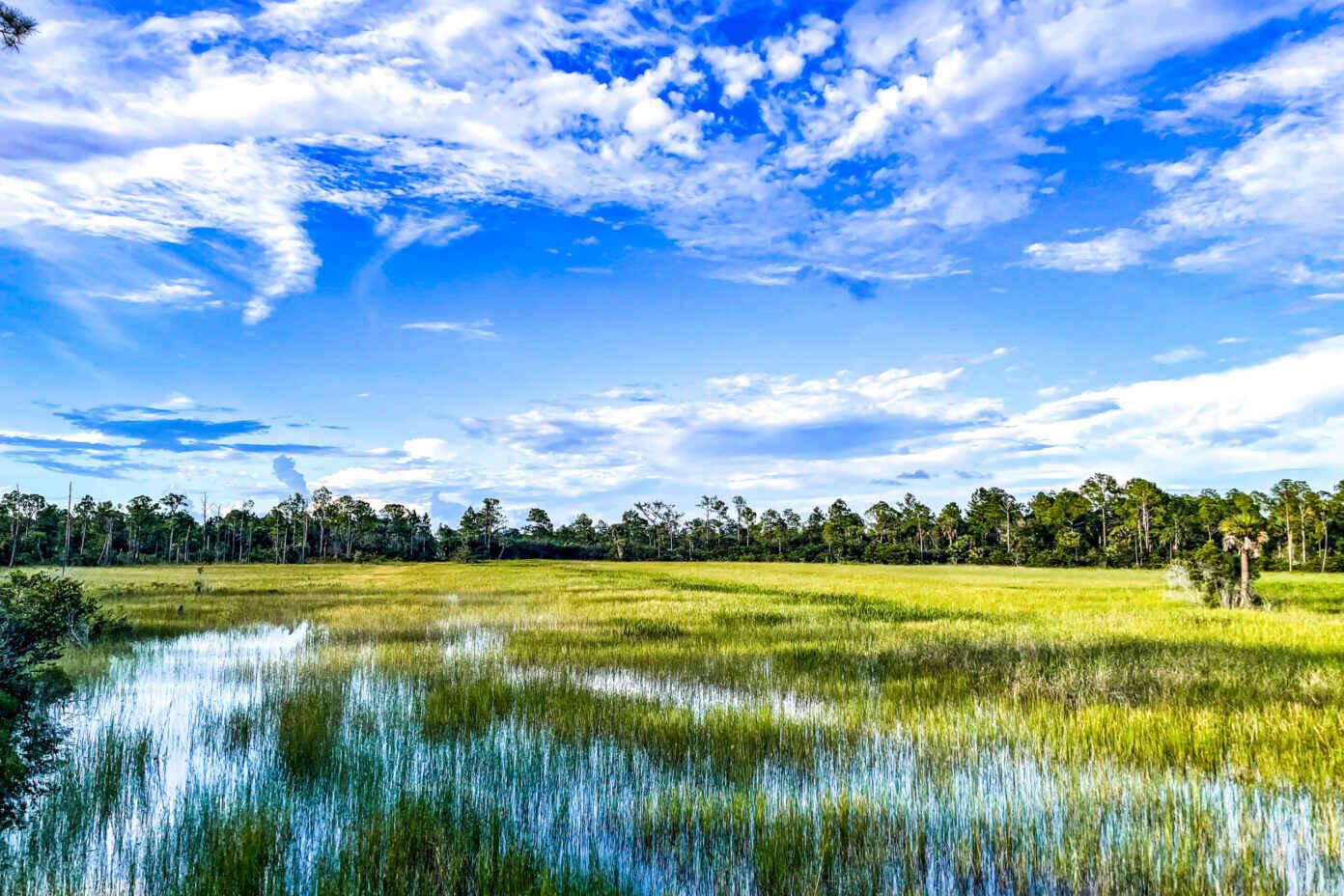
As governments search for cost‑effective ways to meet climate targets, a growing body of research is shining a spotlight on wetlands-often overlooked ecosystems with outsized influence on the planet’s carbon and water cycles. From peatlands and inland marshes to mangroves and salt marshes, these landscapes lock away vast stores of carbon in waterlogged soils, blunt storm surges, temper heat, and regulate regional rainfall. Scientists say their protection and restoration could deliver immediate gains for both emissions reductions and climate resilience.
Yet the assets that make wetlands so valuable are under mounting pressure. Decades of drainage, coastal development, and rising seas have eroded their extent, turning some carbon sinks into net sources when soils are disturbed. Policymakers are weighing how to scale up conservation, navigate trade‑offs such as short‑term methane emissions in some systems, and channel finance into “blue carbon” and peatland projects with reliable monitoring. The decisions taken now will determine whether wetlands remain a climate ally-or become another casualty of a warming world.
Table of Contents
- Wetlands Store Vast Carbon and Moderate Heat and Rain Through Evapotranspiration
- Drainage Agriculture and Fire Flip Peatlands from Sink to Source with Lasting Climate Damage
- Rewet Drained Soils Restore Mangroves and Expand Buffer Zones to Cut Emissions and Strengthen Coastal Defense
- Prioritize Protection with High Integrity Blue Carbon Finance and Indigenous Leadership to Scale Impact
- Future Outlook
Wetlands Store Vast Carbon and Moderate Heat and Rain Through Evapotranspiration
Waterlogged ecosystems act as long-term carbon banks, locking organic matter in oxygen-poor soils where decomposition slows to a crawl. Peat-rich bogs and marshes accumulate millennia of plant residues, creating carbon-dense layers that rival, and in some cases surpass, forest stocks. At the same time, vegetation and open water drive a continuous rise of vapor that shifts energy from sensible to latent heat, delivering natural cooling at the land surface and feeding moisture into the lower atmosphere. This dual function-carbon retention belowground and heat moderation through vapor exchange above-positions these landscapes as quiet powerhouses in regional climate stability.
- Carbon lock-in: Saturated, anoxic soils slow decay, keeping vast stores of carbon out of the air.
- Latent heat flux: Plant-driven moisture release cools surfaces, easing local heat extremes.
- Moisture recycling: Added atmospheric humidity can enhance cloud formation and downwind rainfall.
Policy and land-use choices determine whether this climate service endures. Drainage flips the balance, exposing buried carbon to oxygen and accelerating emissions, while also reducing evaporative cooling and intensifying hot, dry conditions. By contrast, rewetting restores the sponge effect: water tables rise, methane management can be optimized through plant and hydrology design, and the combined benefits of heat mitigation and rainfall buffering return. In a warming world marked by sharper heat waves and erratic precipitation, these natural systems function as local infrastructure-quietly shaving degrees off peak temperatures and stabilizing the hydrologic pulse.
Drainage Agriculture and Fire Flip Peatlands from Sink to Source with Lasting Climate Damage
Scientists warn that when peat-rich wetlands are drained for cultivation or cut by access canals, the water table drops, oxygen floods the soil, and millennia of stored carbon begin to oxidize. What were once net absorbers of greenhouse gases become persistent sources of CO2 and nitrous oxide, a shift amplified by land-clearing and drought-driven smoldering fires that can burn underground for weeks. The result is long-lived emissions, land subsidence, and haze episodes with public-health fallout, documented from Southeast Asia to boreal regions. The losses are not easily reversed: even if flames are extinguished, carbon stocks that took ages to build are gone, and the altered hydrology locks in elevated risk.
- Accelerated oxidation: lowered water tables expose organic soils, driving continuous CO2 release.
- Runaway fire risk: drained peat ignites easily, producing high-intensity, hard-to-control underground burns.
- Irreversible subsidence: compaction and collapse undermine agriculture, infrastructure, and flood defenses.
- Biodiversity decline: specialized wetland species lose refuge as habitats dry and fragment.
- Transboundary haze and health impacts: fine particulates surge during fire seasons, disrupting economies and schools.
Policy responses are sharpening as countries tally emissions and climate damages tied to degraded wetlands. Experts highlight fast, measurable steps to curb the problem and restore climate function: stopping new drainage, prioritizing rewetting to raise water tables, and shifting production toward paludiculture-crops suited to wet conditions. Regulators and markets are also pushing accountability, from land-concession reviews to supply-chain rules and finance screens that penalize peat conversion.
- Protection first: enforce no- drainage rules in carbon-dense soils and expand peat conservation areas.
- Hydrological repair: block canals, reprofile fields, and install water-control structures to stabilize moisture levels.
- Fire prevention: year-round monitoring, community brigades, and strict bans on open burning during dry spells.
- Climate accounting: include peat emissions in national inventories and corporate disclosures to steer investment.
- Livelihood transitions: support wet-compatible livelihoods and compensation schemes that reward intact peat.
Rewet Drained Soils Restore Mangroves and Expand Buffer Zones to Cut Emissions and Strengthen Coastal Defense
Coastal agencies are moving fast to raise water tables in drained peat and abandoned pond systems, breaching embankments to let tides and sediment flow back. The shift is already changing risk and carbon math: flux monitoring indicates sharp declines in oxidation-driven emissions once soils are rehydrated, while newly planted Rhizophora and Avicennia stands stabilize shorelines and rebuild blue carbon stores. Fisheries cooperatives report the return of juvenile fish and crustaceans in reconnected creeks, and disaster managers note narrower flood footprints during recent storms where living fringes now blunt wave energy. Insurers, port authorities, and local councils are aligning these works with nationally determined contributions (NDCs) and coastal masterplans to lock in climate and safety gains.
- Rewetting actions: Blocking drainage canals, reflooding disused aquaculture ponds, and restoring tidal exchange to halt peat oxidation and suppress fires.
- Restoration gains: Rapid sediment capture, root-driven soil formation, and measurable cuts in carbon flux paired with stronger natural storm barriers.
- Financing: Blended funds from resilience bonds, blue carbon credits, and adaptation windows channel capital toward shovel-ready sites.
Governments are also widening coastal setbacks and designating rolling easements to create space for landward habitat migration as seas rise, turning hard-to-defend margins into protective green belts that absorb surge and reduce recovery costs. The policy mix now emphasizes tenure security for frontline communities, performance-based payments for stewardship, and transparent monitoring so credits and claims match on-the-ground reality. With enforcement geared to prevent new drainage and illegal fill, officials say these nature-based buffers are becoming core public infrastructure-cutting emissions at source while strengthening everyday coastal defense.
- What to watch: Salinity balance and potential short-term methane pulses as hydrology resets; managers are using phased breaching and species mixes to moderate swings.
- Policy levers: No-net-loss rules, buyouts for at-risk parcels, and zoning that funnels development upland while preserving sediment corridors.
- Community role: Co-management with Indigenous and local groups, integrating traditional knowledge for planting, patrols, and early warning.
- Verification: Open data from satellites, drones, and field plots to audit carbon outcomes and flood-risk reductions for investors and regulators.
Prioritize Protection with High Integrity Blue Carbon Finance and Indigenous Leadership to Scale Impact
As governments and markets look to wetlands for climate solutions, analysts say the fastest, lowest-cost gains will come from protection-first pipelines that channel high-integrity blue carbon finance into mangroves, seagrasses, and salt marshes. To avoid greenwashing and lock in real climate value, project developers and buyers are moving toward rigorous standards, including independent auditing, transparent MRV (monitoring, reporting, and verification), and safeguards against leakage and reversals. Aligning with national climate plans, jurisdictional or nested approaches, and no-double-counting rules is emerging as a baseline, with finance structured to reward durable ecosystem stewardship and measurable emissions avoidance.
- Environmental integrity: clear baselines, conservative accounting, and buffer pools for risk
- Alignment with policy: nesting into national inventories and Article 6-ready frameworks
- Transparent MRV: open data, third-party verification, and periodic recalibration
- Financial durability: multi-decade contracts, performance-linked payouts, and price floors
- Biodiversity co-benefits: metrics for habitat quality, fisheries, and coastal resilience
Experts emphasize that scaling outcomes depends on Indigenous Peoples and local communities (IPLCs) as rights-holders and co-governors. Deals that embed tenure recognition, Free, Prior and Informed Consent (FPIC), and equitable benefit-sharing are securing community trust and accelerating implementation, while also reducing project risk. Newsroom reporting shows momentum toward locally led monitoring, support for women and youth stewardship roles, and direct disbursement to community institutions-an approach that pairs social safeguards with climate accountability and positions wetlands as critical assets for resilience, food security, and long-term carbon storage.
Future Outlook
As governments search for cost-effective climate solutions, scientists point to wetlands as a proven, near-term option: protect intact systems, stop drainage, and restore degraded areas. The benefits are measurable-avoided emissions from drying peat, long-lived carbon storage in soils, and reduced losses from floods and storms.
Despite this, conversion for agriculture and development continues, now compounded by rising temperatures and sea levels. Funding, enforcement, and consistent monitoring remain persistent gaps, especially for communities on the front lines.
With countries updating climate and adaptation plans, the fate of peatlands, mangroves, marshes, and floodplains is emerging as a practical test of ambition. The science is settled on their role in climate regulation; the decisions ahead are political and logistical-how much to protect, where to restore, and who pays. The answers will shape not only local water security and biodiversity, but also the global carbon budget in the decisive years ahead.