

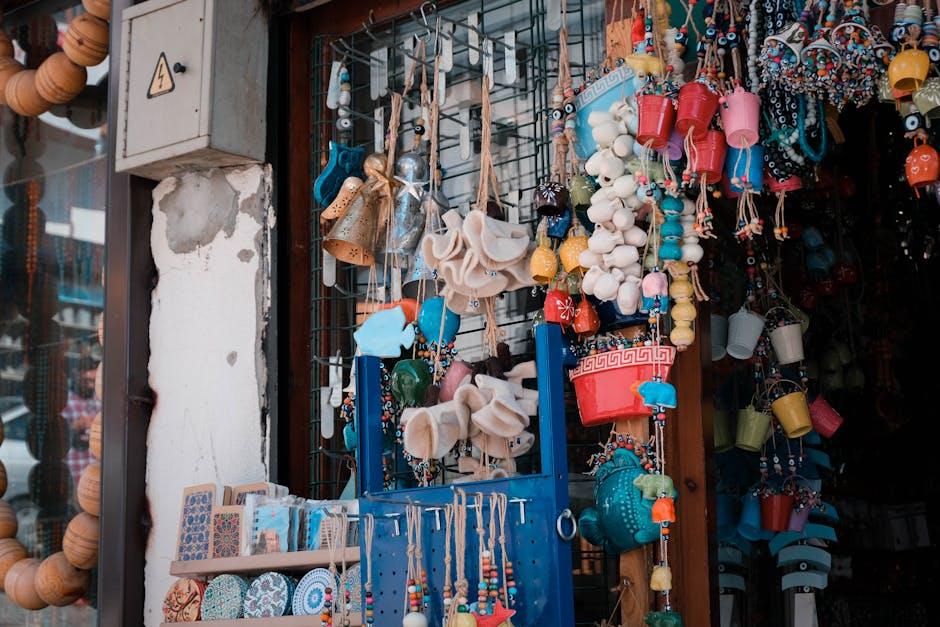
Travelers are trading passive sightseeing for time at the workbench, turning to local crafts for hands-on learning from pottery wheels and weaving looms to dye vats and woodcarving benches. As experiential tourism gains ground, artisan-led classes and studio visits are moving from niche add‑ons to the center of itineraries, appealing to visitors who want skills, stories and souvenirs they make themselves.
The shift is reshaping how destinations market culture and how communities monetize heritage. Small workshops are tapping new income streams and visibility, even as hosts navigate questions of authenticity, capacity and what should remain off-limits. Tour operators are bundling lessons with market visits and homestays, museums are piloting maker programs, and tourism boards are promoting craft routes. The result: a growing demand for participation over observation-and a new set of opportunities and pressures for the people teaching their traditions.
Table of Contents
- Demand Surges for Craft Workshops as Travelers Swap Souvenirs for Skills
- Where To Learn Pottery Weaving and Dyeing With Local Masters and What It Costs
- How To Choose Ethical Studios Book Like a Local and Pack Finished Pieces Safely
- Key Takeaways
Demand Surges for Craft Workshops as Travelers Swap Souvenirs for Skills
Studios from Kyoto to Oaxaca report packed schedules as visitors redirect spending from keepsakes to instruction, opting for wheel-throwing, basket weaving, indigo dyeing, and metalwork led by master artisans. Tour operators cite a pivot toward authenticity and traceable provenance, with bookings favoring small cohorts and maker-led venues that keep revenue in local neighborhoods while transferring tacit, place-based knowledge. Destination agencies are rolling out directories, translation aid, and safety guidelines, and artisans are countering high demand with tiered pricing, waitlists, and time-slotted sessions to balance access with quality and cultural stewardship.
- Popular formats: 2-3 hour micro-classes, multi-day apprenticeships, and market pop-ups.
- Traveler priorities: personalization, proof of provenance, ethical sourcing, and take-home skills.
- Operator shifts: pre-booking only, transparent material costs, bilingual instruction, digital certificates.
- Economic impact: steadier off-season income and diversification beyond souvenir stalls.
- Friction points: limited capacity, intellectual property concerns, shipping finished pieces, and safety protocols.
Where To Learn Pottery Weaving and Dyeing With Local Masters and What It Costs
Across craft-rich regions, short-format workshops led by veteran artisans are increasingly bookable through co-ops, studios, and community museums, with pricing that varies by materials, firing time, and whether instruction is private or group-based; expect half-day sessions to range from roughly $25-$100 and daylong or multi-day intensives to climb higher, especially when natural dyes, kiln time, or shipping are included.
- Mashiko, Japan – Pottery: 2-3 hour wheel sessions with master potters from ¥6,000-¥12,000 (about $40-$80); glazing/finishing and shipping add ¥2,000-¥5,000; book via town pottery cooperatives.
- Avanos, Türkiye – Pottery: Cappadocia workshops 90-120 minutes, $25-$50 per person; private master instruction $80-$150; some studios offer same-day firing for small pieces.
- Fez, Morocco – Zellige and Pottery: Tile-cutting and throwing with hands-on practice, 2-4 hours, 300-800 MAD ($30-$80); daylong apprenticeships 1,200-1,800 MAD, often arranged via artisan quarters.
- Oaxaca, Mexico – Weaving and Natural Dyeing: Teotitlán del Valle family ateliers run 3-5 hour dye-to-loom sessions, 800-1,800 MXN ($45-$105); full-day with cochineal/indigo $120-$180.
- Chinchero, Peru – Andean Backstrap Weaving: Community-led classes 3-4 hours, 90-150 PEN ($24-$40), including alpaca fiber prep and natural dyes; full-day 250-350 PEN, often benefiting women’s collectives.
- Yogyakarta, Indonesia – Batik Dyeing: Canting and wax-resist fundamentals 2-3 hours, 150k-300k IDR ($10-$20); advanced motif courses 500k-900k IDR at heritage studios.
- Kutch, India – Indigo and Ajrakh: Bhuj/Ajrakhpur artisans host one-day dye labs for ₹2,500-₹4,500 ($30-$55); multi-day block-printing intensives ₹9,000-₹15,000, typically via local NGOs.
- Lisbon, Portugal – Azulejo Painting: Studio sessions 2-3 hours, €35-€60; kiln firing pickup in 3-7 days; private heritage workshops €90-€150 near museum districts.
- Santa Fe, USA – Pueblo Pottery: Artist-led hand-building and micaceous clay workshops 2-4 hours, $75-$160; multi-session series $300-$600 through cultural centers.
- Chiang Mai, Thailand – Lanna Weaving: Village looms offer half-day intros 800-1,500 THB ($23-$43); two-day scarf projects 3,500-5,000 THB; proceeds often support rural guilds.
How To Choose Ethical Studios Book Like a Local and Pack Finished Pieces Safely
As hands-on craft tourism gains traction, travelers are applying newsroom-style scrutiny to workshop choices-seeking proof of fair pay, local authorship, and traceable materials-while booking directly through community channels and learning to safeguard newly made pieces from studio bench to baggage carousel without regulatory snags.
- Check ethics fast: Look for published wages, cooperative ownership, women or Indigenous leadership, transparent sourcing, non-toxic finishes, and community-benefit policies on studio pages and receipts.
- Verify credentials: Prefer WFTO/Fair Trade or regional co-op membership, UNESCO craft listings, and recent local-language reviews over aggregator blurbs.
- Book like a local: Contact artisans via WhatsApp/Instagram, confirm small class caps and material fees, pay deposits through local platforms, and bypass resellers that cut maker margins.
- Respect cultural IP: Ensure designs taught are cleared for outsiders; ask about motifs with restrictions and credit the tradition when sharing work online.
- Time the finish: Choose fully fired pieces or cold-set methods; note curing windows to avoid packing wet glazes, oils, or resins that can be flagged at security.
- Pack to survive transit: Double-wrap with tissue and soft cloth, add rigid corner protection, nest in a hard-sided box with “crush space,” and carry on; for liquids, use leak-proof secondary containment.
- Mind customs and wildlife rules: Declare wood, seeds, shells, mineral pigments; carry itemized receipts and, where relevant, CITES or phytosanitary permits.
- Cut the carbon: Consolidate shipments, favor recycled packaging from studios, and choose ground or sea freight over air when timelines allow.
Key Takeaways
As peak travel season approaches, the pivot toward hands-on craft experiences shows little sign of slowing. Tour operators report steady demand for small-group workshops, while cultural organizations see new opportunities to fund apprenticeships and safeguard techniques at risk of disappearing. At the same time, practitioners and policymakers are weighing standards around fair pay, provenance and respectful storytelling to prevent heritage from being reduced to entertainment.
What happens next will hinge on scale and governance: clearer certification, community-led curricula and transparent pricing could determine whether the model endures. For now, travelers appear willing to trade passive sightseeing for practical skills and context-bringing home fewer objects and more know-how.