

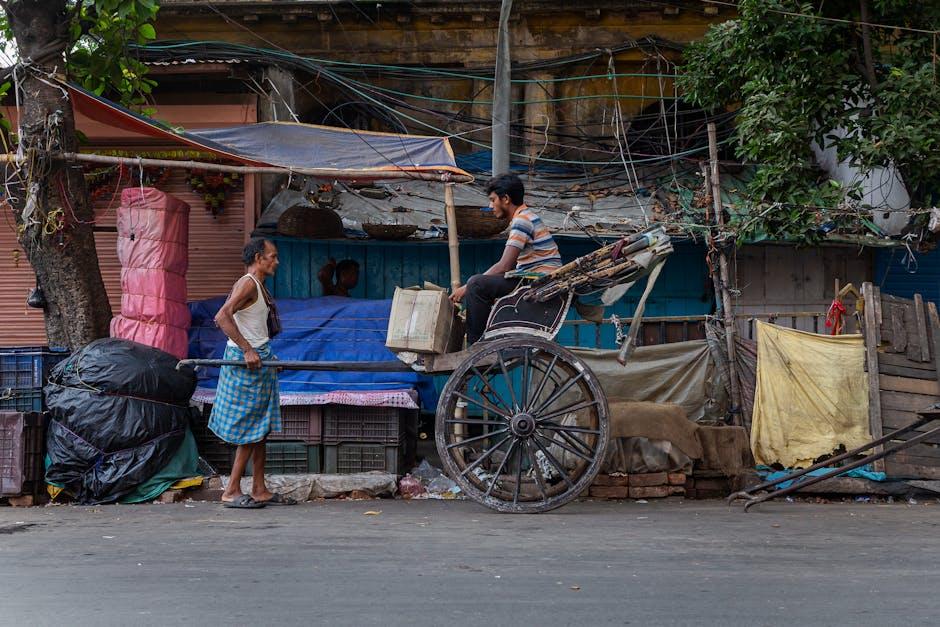
A cascade of shocks-pandemic aftershocks, the war in Ukraine, energy and food price spikes, climate disasters, and the fastest global interest-rate tightening in decades-is testing the resilience of developing economies and straining public finances. From Accra to Colombo, governments are juggling currency slides, capital outflows and rising debt-service bills while trying to shield households from soaring costs.
In response, policymakers are deploying a mix of emergency fixes and structural shifts: raising rates or letting currencies float, tapping IMF programs and restructuring debts, pruning blanket subsidies while expanding targeted cash transfers via mobile platforms, easing import bottlenecks for food and fuel, and courting remittances and investment. Others are imposing temporary import and capital controls to buy time.
The results are uneven and the trade-offs stark. Inflation has eased in some markets but growth remains fragile; subsidy reforms have sparked unrest; and many low-income countries remain at high risk of debt distress, according to multilateral lenders. This report examines what is working, where it isn’t, and whether a new playbook-blending domestic reforms with revamped global finance-can build resilience against the next shock.
Table of Contents
- Debt Pressures Spur Fiscal Buffers as Governments Pursue Restructuring with Private and Official Creditors
- Targeted Cash Transfers and Smarter Subsidies Cushion Food and Energy Shocks While Exchange Rates Adjust
- Action Plan Diversify Exports Expand Digital Payments Strengthen Safety Nets and Leverage Concessional Finance
- Insights and Conclusions
Debt Pressures Spur Fiscal Buffers as Governments Pursue Restructuring with Private and Official Creditors
With borrowing costs elevated and rollovers uncertain, finance ministries from Accra to Islamabad are shoring up balance sheets, accelerating liability operations, and negotiating coordinated treatments with bondholders and official creditor committees, including under the G20 initiative; recent arrangements in Zambia and Ghana point to a template of front‑loaded fiscal adjustment, ring‑fenced social spending, and state‑owned enterprise reforms, while treasuries prioritize cash cushions and state‑contingent clauses to absorb commodity and climate shocks, deploy SDRs and precautionary lines to smooth liquidity, and chart a credible path to market re‑entry as 2025-2028 maturities loom.
- Buffering liquidity: higher cash targets, commodity stabilization funds, SDR reallocations, and contingent financing (IMF PLL/RSF, World Bank CAT‑DDO).
- Restructuring mix: domestic debt exchanges, reprofilings, GDP‑ or revenue‑linked step‑ups, and debt‑for‑nature swaps to secure concessionality.
- Creditor coordination: faster comparability‑of‑treatment, transparency on debt data, and inclusion of disaster and pause clauses in new instruments.
- Market re‑entry strategy: buybacks/tenders of short‑dated Eurobonds, partial credit guarantees, and smoothing of near‑term redemption walls.
- Social and climate safeguards: protected cash transfers, targeted subsidies, and climate‑resilience floors embedded in program conditionality.
Targeted Cash Transfers and Smarter Subsidies Cushion Food and Energy Shocks While Exchange Rates Adjust
As food and fuel spikes ripple through import-dependent economies amid currency realignments, finance ministries are pivoting from costly blanket price controls to narrowly tailored income support that curbs poverty without distorting prices or draining reserves. Leveraging digital ID and mobile payments, governments are channeling monthly top-ups to vulnerable households while letting domestic prices reflect global conditions, easing shortages and improving fiscal credibility. Recent steps in countries from Indonesia and Jordan to Brazil and Ghana show that recalibrated cash assistance, paired with transparent, time-bound price smoothing and lifeline utility tariffs, can blunt the shock even as exchange rates find a new level, with fiscal outlays typically a fraction of universal subsidies and better targeted to the bottom quintiles.
- Delivery rails: social registries, e-KYC, and interoperable wallets enable rapid, auditable payouts.
- Targeting: proxy means tests plus geospatial and administrative data prioritize low-income, food-insecure, and energy-poor households.
- Benefit design: inflation-linked transfer top-ups, child and disability add-ons, and clear sunset clauses.
- Price policy: lifeline electricity blocks and limited transport vouchers replace open-ended fuel subsidies.
- FX and credibility: more flexible exchange rates with transparent FX operations, paired with communication on pass-through and social offsets.
- Financing: reprioritized spending and temporary windfall or solidarity levies to fund safety nets without widening deficits.
- Accountability: grievance redress, public dashboards, and independent audits to sustain public trust.
Action Plan Diversify Exports Expand Digital Payments Strengthen Safety Nets and Leverage Concessional Finance
With global headwinds intensifying, policymakers are deploying a targeted package that broadens foreign‑exchange earning capacity, accelerates transaction digitization, cushions vulnerable households, and secures cheaper capital without compromising debt sustainability.
- Diversify exports: streamline customs and ports, plug into regional value chains, invest in standards and quality labs, back agribusiness, light manufacturing, and tradable services, and extend export credit and FX hedging to SMEs.
- Expand digital payments: build real‑time, interoperable rails and national QR, cut remittance costs, grow agent networks, tighten e‑KYC/ID, consumer protection, and cybersecurity, and enable cross‑border settlement.
- Strengthen safety nets: scale digital cash transfers linked to dynamic social registries, activate shock triggers (prices, rainfall, conflicts), retarget energy subsidies, and ensure offline access and gender‑inclusive design.
- Leverage concessional finance: prioritize climate‑resilient infrastructure, use blended finance, MDB guarantees, catastrophe windows, and debt‑for‑climate swaps, anchored by a transparent medium‑term debt strategy.
- Governance and metrics: cabinet‑level delivery unit; KPIs include non‑commodity export share, digital payment penetration, poverty headcount, and concessional share of new borrowing; publish quarterly dashboards.
Insights and Conclusions
As governments from Accra to Jakarta recalibrate budgets, buffer currencies, and expand safety nets, a clearer picture is emerging: coping with shocks is less about a single fix than a portfolio of moves. Exchange-rate flexibility, targeted subsidies, and digital cash transfers are buying time; efforts to diversify exports, deepen regional trade, and attract longer-term investment aim to harden economies against the next blow. International lenders and private creditors remain pivotal, but so do domestic reforms that shore up tax bases, improve power and logistics, and widen access to finance.
The outlook is uneven. High debt burdens, climate risks, and volatile capital flows leave many countries vulnerable to setbacks. Analysts say the trajectory will hinge on the path of global interest rates, commodity prices, and the speed of debt workouts. For now, the balance between short-term relief and longer-term resilience is the test. How effectively policymakers manage it will shape growth, living standards, and political stability for hundreds of millions in the years ahead.