

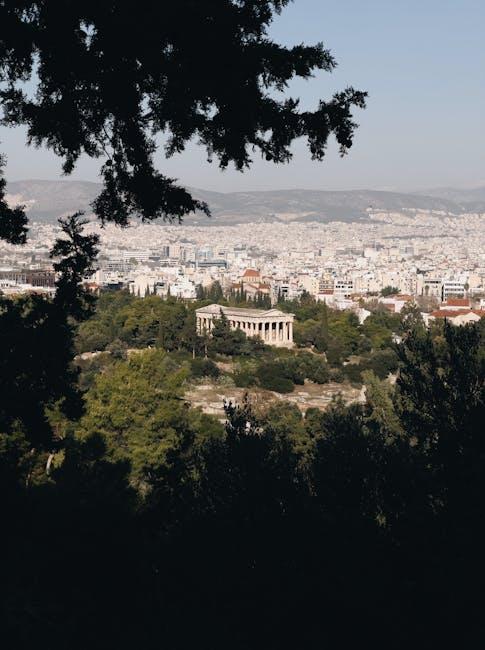
As heritage travel rebounds and travelers seek deeper context beyond the postcard view, demand is rising for guided experiences that place monuments, archives, and living traditions in their historical frame. This global roundup identifies cultural tours designed for history-focused itineraries across multiple continents, selected for scholarly rigor, meaningful local partnerships, and responsible access to sensitive sites. Drawing on input from curators, archaeologists, and destination experts, the list spans everything from Indigenous-led storytelling routes and museum after-hours programs to archaeologist-guided digs and Silk Road caravansary trails. Each tour emphasizes small groups, primary-source interpretation, and time in lesser-known sites alongside headline UNESCO landmarks, with options that fit a range of budgets and travel windows. The result is a practical guide for readers who want to move past surface-level sightseeing and engage with the people, places, and archives that keep the past in conversation with the present.
Table of Contents
- Ancient Empires Unpacked Expert Led Walks in Rome Athens and Luxor with Skip the Line Access and Curated Museum Briefings
- Asia Beyond the Postcard Kyoto Temple Circuits and Hoi An Heritage Trails Guided by Local Historians and Timed for Early Spring and Late Autumn
- Respectful Routes to Indigenous Histories Community Guided Journeys in Aotearoa New Zealand Canada and the Sacred Valley with Cultural Protocols Language Basics and Craft Workshops
- Concluding Remarks
Ancient Empires Unpacked Expert Led Walks in Rome Athens and Luxor with Skip the Line Access and Curated Museum Briefings
Scholarly guides are steering small groups through the power corridors of Rome, Athens, and Luxor, pairing rapid skip-the-line entry with concise, gallery-side curated briefings that connect sites and collections. In Rome, epigraphers decode imperial messaging from the Forum to the Colosseum before a tight, artifact-led huddle at the Capitoline Museums; in Athens, archaeologists trace civic life across the Agora and Acropolis, then pull diagnostic fragments and restoration insights at the Acropolis Museum; in Luxor, Egyptologists read temple alignments at Karnak and Luxor Temple and unpack tomb iconography after-hours with object-focused context at the Luxor Museum. Capacity is deliberately capped, radio headsets keep commentary crisp in crowded zones, and dawn or late-entry slots are used to skirt peak queues-turning high-demand heritage into a streamlined, evidence-first field class.
- Access: Fast-track checkpoints at major monuments; timed museum entries.
- Briefings: 15-25 minute, object-led sessions linking site finds to collections.
- Group size: Typically 8-12, with licensed specialists and local historians.
- Focus: Urban archaeology in Rome, classical civic design in Athens, New Kingdom ritual topography in Luxor.
- Added value: Headsets, mapped timelines, and post-walk reading lists for deeper study.
Asia Beyond the Postcard Kyoto Temple Circuits and Hoi An Heritage Trails Guided by Local Historians and Timed for Early Spring and Late Autumn
Tour operators are reframing two of Asia’s most-photographed destinations through scholarship and timing, pairing small-group circuits across Kyoto’s temple districts with historian-led heritage walks in Vietnam’s lantern-lit port city. The programs prioritize shoulder-season departures to ease foot traffic and deepen interpretation, with guides unpacking restoration work behind Zen gardens and carpentered merchant houses, decoding ritual spaces at assembly halls, and tracing trade-era links that shaped regional cuisine and crafts. Expect early starts to capture quiet courtyards, access coordinated with custodians where permitted, and briefings on etiquette, conservation funding, and the pressures of overtourism-framed not as spectacle but as living heritage under careful stewardship.
- Seasonal sweet spot: Kyoto runs in early spring to skirt peak blossom crowds; central Vietnam departures shift to late autumn for cooler evenings and clearer river conditions.
- Led by experts: Accredited historians, temple docents, and conservation advisers provide source-based commentary and site-specific context.
- Routes at a glance: Philosopher’s Path precincts and lesser-visited subtemples in Kyoto; Japanese Bridge, clan assembly halls, merchant residences, and riverside craft quarters in the Vietnamese Old Town, with optional detour to Cham-era sanctuaries.
- Access and pacing: Dawn entries and after-hours walks where arranged, capped group size, quiet segments for reflection, and no-flash photography windows to protect interiors.
- Community impact: Fees routed to local custodians, rotating family-run venues, and flood-adaptive planning updates woven into the narrative.
Respectful Routes to Indigenous Histories Community Guided Journeys in Aotearoa New Zealand Canada and the Sacred Valley with Cultural Protocols Language Basics and Craft Workshops
From marae-led hikoi in Aotearoa to land-based learning with First Nations hosts across Canada and community co-designed circuits in Peru’s Sacred Valley, a new wave of community-guided itineraries is setting a standard for ethical heritage travel. Operators brief guests on etiquette before visits-observing tikanga, respecting photography rules, and honoring host decision-making-while short language primers (te reo Māori, Cree, Inuktitut, or Quechua) and maker-led sessions shift travelers from spectators to collaborators. Reporting from operators shows revenue-sharing agreements, capped group sizes, and seasonally aligned schedules that prioritize cultural sovereignty and ecological rhythms, with journalists invited to verify impact metrics on-site.
- Aotearoa New Zealand: Pōwhiri welcome protocols explained in advance; te reo Māori basics (pepeha, mihi); harakeke weaving and taonga puoro workshops run by iwi artists, with consent-based storytelling.
- Canada: Community routes co-hosted by First Nations, Métis, and Inuit guides; teachings on land acknowledgments done correctly; language snapshots (e.g., Nêhiyawêwin, Michif, Inuktitut); moccasin- or birchbark-craft sessions, with clear guidelines around sacred items.
- Sacred Valley, Peru: Quechua-led village walks timed to planting/harvest cycles; Quechua phrases for greetings and gratitude; cooperative weaving, natural dyeing, and Andean agronomy workshops, with visitor codes that prohibit ritual mimicry.
- Core protocols: No recording without permission, respect for restricted spaces, fair-pay purchasing, and free time reserved for host-community needs; travelers receive a take-home brief on ongoing support pathways.
Concluding Remarks
From Andean citadels to Silk Road caravanserais, the tours highlighted here point to a shift from checklist sightseeing to context-rich travel shaped by scholars, local custodians and tighter site management. Timed entries, smaller groups and community partnerships are redefining access while placing preservation at the center.
Capacity caps, conservation fees and geopolitical uncertainty will continue to shape itineraries, even as major openings and restorations expand the map. For history buffs, the world remains an open archive-if travel providers and travelers alike can balance curiosity with stewardship.