

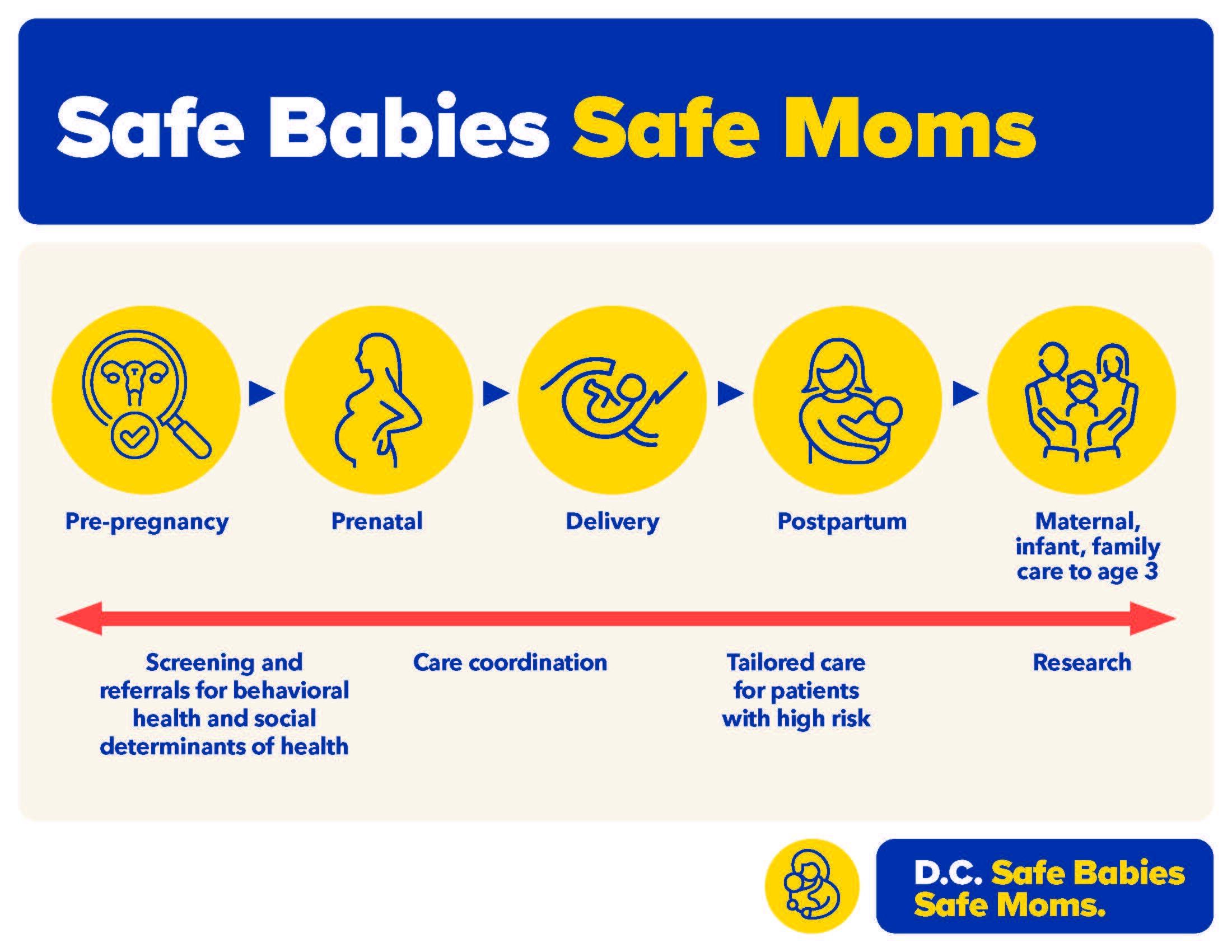
Maternal health is at an inflection point. After years of pandemic disruption and policy upheaval, the safety of pregnancy and childbirth shows uneven progress: some regions report improvements in care coordination and postpartum support, while preventable complications and deaths persist, especially among marginalized communities. The United States continues to record higher maternal mortality than peer nations, even as new initiatives aim to reverse the trend.
Access and outcomes hinge on a volatile mix of factors. Hospital maternity unit closures have widened “care deserts,” clinician shortages strain labor and delivery floors, and chronic conditions-from hypertension to diabetes-are showing up earlier in pregnancy. At the same time, expanding postpartum coverage in many states, the spread of standardized safety bundles for hemorrhage and sepsis, and growing use of midwives, doulas, and telehealth are reshaping how care is delivered. Against a shifting legal landscape for reproductive health, this report examines where birthing is safer, where it is not, and what it will take to close the gap.
Table of Contents
- Maternal Mortality Trends Reveal Stark Racial and Geographic Disparities
- Hospital Safety Under Strain Staffing Shortages Obstetric Unit Closures and Delayed Care
- Evidence Based Interventions Doulas Hemorrhage Bundles Hypertension Control and Mental Health Screening
- Policy Pathways Extending Medicaid Investing in Community Midwives and Standardizing Safety Metrics
- Key Takeaways
Maternal Mortality Trends Reveal Stark Racial and Geographic Disparities
New analyses of state and federal data indicate that while overall pregnancy-related deaths have fluctuated in recent years, the burden remains unevenly distributed. The highest mortality is concentrated among Black and American Indian/Alaska Native women, who face disproportionately elevated risks compared with their White counterparts. Geography compounds the divide: communities in the South and rural counties report higher fatality rates amid hospital closures, workforce shortages, and long travel times for care. Experts point to structural factors-limited prenatal access, gaps in postpartum coverage, unmanaged chronic conditions, and documented bias in clinical settings-as key drivers. Notably, a substantial share of deaths occurs in the postpartum year, underscoring the need for continuous monitoring well beyond delivery.
- Race and ethnicity: Persistent gaps place Black and AI/AN women at greatest risk; outcomes for Hispanic and Asian communities vary widely by state.
- Place matters: “Maternity care deserts” and rural unit closures increase delays, complications, and emergency transfers.
- Leading causes: Hypertensive disorders, hemorrhage, thromboembolism, infections, cardiomyopathy, and mental health conditions (including substance use) remain prominent.
- Timing of risk: Danger extends from pregnancy through 12 months after birth, when warning signs can be missed without coordinated follow‑up.
- Preventability: Review committees continue to find many deaths likely preventable with timely, evidence-based care.
Policy responses are coalescing around evidence-based solutions: expanding Medicaid coverage to 12 months postpartum, investing in community-based doulas and midwives, integrating standardized obstetric safety bundles for hemorrhage and hypertension, and deploying telehealth and transportation supports for remote areas. States are also strengthening Maternal Mortality Review Committees with community representation to improve case investigations and drive quality improvement. Hospital systems are being urged to track outcomes by race and geography, require bias and respectful care training, and bolster perinatal quality collaboratives. Advocates warn that without targeted funding for rural facilities and transparent reporting, the divide will persist even as overall indicators shift.
Hospital Safety Under Strain Staffing Shortages Obstetric Unit Closures and Delayed Care
Workforce gaps are reshaping maternity care as hospitals scale back coverage, consolidate services, and, in some communities, suspend labor-and-delivery altogether. Administrators describe a tight pipeline for OB-GYNs, anesthesiologists, and L&D nurses; clinicians report heavier caseloads and uneven continuity when shifts are filled with temporary staff. For patients, the effects are immediate: longer drives to deliver, emergency department births when units are on diversion, and procedures pushed to later dates. Frontline teams warn that thinner coverage can slow response to hemorrhage or hypertensive crises and disrupt continuous fetal monitoring. Rural regions and communities of color are seeing the sharpest impact, with widening care deserts and higher out-of-pocket and time costs to reach services.
- Access pressures: longer transport times, ambulance diversions, and more deliveries occurring outside dedicated birthing suites.
- Bottlenecks in triage: postponed inductions or C-sections when operating rooms or anesthesia are not immediately available.
- Escalation risks: delayed response to obstetric emergencies, limited NICU capacity, and more interfacility transfers.
- Workforce strain: burnout, turnover, and higher reliance on overtime and travelers, raising costs and variability in care.
- Community fallout: fragmented prenatal continuity, fewer postpartum touchpoints, and disproportionate burden on low-income families.
Health systems are moving to contain risk with perinatal regionalization, 24/7 specialist teleconsults, and standardized safety bundles for hemorrhage and hypertension. Hospitals are expanding midwifery-led models, integrating community birth centers, and cross-training emergency teams while running simulation drills to stabilize patients before transfer. Policy steps under consideration include extended postpartum coverage, reimbursement for doula support, incentives for rural call coverage, and loan repayment to rebuild the pipeline. Leaders say transparency on outcomes, patient experience, and timely public reporting will be key as services realign-and that any mitigation must close, not widen, longstanding inequities.
Evidence Based Interventions Doulas Hemorrhage Bundles Hypertension Control and Mental Health Screening
Across maternity units, standardized safety toolkits and community-rooted support models are moving from pilot to practice, tightening response times and closing gaps in outcomes. Hospitals adopting protocol-driven approaches report fewer severe bleeding emergencies and quicker escalation of care, while trained birth companions are associated with better communication, lower intervention rates, and higher patient satisfaction. Concurrently, tighter management of elevated blood pressure and routine behavioral health screening are reshaping postpartum follow-up, catching complications earlier and reducing preventable harm.
- Doulas: Continuous, nonclinical support improves patient experience, shared decision-making, and linkages to resources; coverage expansion in several states is accelerating access for those at highest risk.
- Obstetric hemorrhage bundles: Readiness carts, quantitative blood-loss tracking, team huddles, and simulation drills align teams on rapid recognition and response.
- Hypertension control pathways: Standardized thresholds, timely medication initiation, and remote home monitoring tighten the window to treat and avert crisis after delivery.
- Mental health screening: Universal use of validated tools with clear referral and crisis protocols integrates behavioral health into routine perinatal care.
Implementation is increasingly measured in real-world metrics: severe maternal morbidity rates, time-to-treatment, postpartum follow-up within seven days for elevated blood pressure, and successful behavioral health handoffs. Systems investing in workforce training, data dashboards, and community partnerships report stronger adherence to protocols and more consistent outcomes across racial and geographic lines. The emerging consensus is pragmatic: pair evidence-based checklists with culturally responsive support, finance what works through sustainable reimbursement, and make safety visible through transparent reporting and patient-centered quality measures.
Policy Pathways Extending Medicaid Investing in Community Midwives and Standardizing Safety Metrics
States are moving to close the postpartum coverage gap by extending Medicaid to 12 months after birth, a shift advocates say addresses preventable mortality tied to the “coverage cliff.” Proposals under consideration pair longer eligibility with investments in community midwives-including reimbursement reform, pipeline scholarships, and team-based integration-to expand access to culturally responsive care in neighborhoods with the highest risk. Early adopters report improved continuity for depression screening, hypertension management, and lactation support, while community birth centers and home-visiting models draw new attention from budget writers seeking value-based results.
- 12-month postpartum coverage with automatic redetermination safeguards
- Reimbursement parity for midwives and streamlined credentialing across Medicaid managed care
- Doula coverage and community health worker integration for perinatal navigation
- Capital grants for community birth centers and mobile maternal clinics
- Transportation and telehealth benefits tailored to rural and underserved areas
At the same time, regulators and hospital leaders are coalescing around standardized safety metrics to reduce variation in obstetric care. Systems are deploying common definitions for severe maternal morbidity, adopting hemorrhage and hypertension bundles, and publishing stratified outcomes-by race, ethnicity, and payer-to drive accountability. Insurers are linking payment to verified implementation, while perinatal quality collaboratives supply technical assistance and real-time dashboards to close gaps in high-alert events and cesarean overuse.
- Core measures: severe maternal morbidity, timely hemorrhage response, hypertensive emergency treatment
- Equity reporting with stratified C-section and readmission rates
- Public dashboards and facility-level transparency requirements
- Pay-for-performance tied to safety bundles and drill compliance
- Data interoperability linking Medicaid claims, vital records, and hospital registries
Key Takeaways
For now, the trajectory is mixed. Recent gains in some systems sit alongside widening gaps in access, outcomes, and patient experience, particularly for rural communities and people of color. Hospitals and health plans face pressure to standardize proven safety bundles, expand the perinatal workforce, and sustain coverage beyond delivery, even as budget constraints and staffing shortages persist.
The next year will test whether policymakers and providers can translate evidence into routine practice. Watch for movement on postpartum Medicaid extensions, hospital consolidation reviews, and data transparency on severe maternal morbidity. Adoption of hemorrhage and hypertension protocols, declines in unnecessary cesareans, and the stability of labor-and-delivery units will be key indicators.
Experts say the path forward is less about breakthrough technology than consistent execution: respectful care, timely risk detection, and support that extends before and after birth. Whether those elements become the norm-not the exception-will define the state of maternal health and birthing safety in the months ahead.