

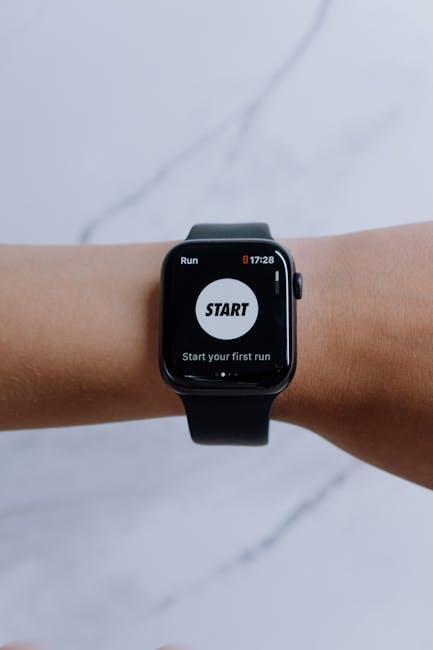
Wearable technology is remaking the workout, turning steps, heartbeats and sleep patterns into real-time instructions that shape what people do in the gym and on the road. From smartwatches to sensor-packed rings and connected apparel, a new wave of sensors and software is pushing fitness from routine habit to a continuous feedback loop.
The impact reaches beyond weekend runners. Gyms are wiring classes with live metrics, coaches are tailoring plans around recovery scores, and employers and insurers are tying incentives to movement data. As devices add features like temperature tracking and oxygen monitoring, the line between fitness and health continues to blur-bringing more personalized training alongside fresh questions about accuracy, privacy and who profits from the data. This article examines how wearables are changing exercise behavior, what the numbers really mean, and where the technology is headed next.
Table of Contents
- Wearables Turn Workouts Into Evidence Based Coaching
- The Metrics That Matter Heart Rate Variability Cadence Sleep and What To Do With Them
- Make Alerts Work For You Set Zones Recovery Reminders and Technique Cues
- Accuracy and Privacy Under Scrutiny Calibrate Devices Control Sharing and Audit Your Data
- Wrapping Up
Wearables Turn Workouts Into Evidence Based Coaching
Gyms and remote programs are shifting from plan-first to condition-first training as sensors stream continuous biometrics to coach dashboards. Instead of relying on recall or vibe, sessions are shaped by real-time signals-fatigue, drift, and pacing-so sets, rest, and intensity can be adjusted on the fly. Platforms now flag readiness, prescribe individualized zones, and timestamp what changed and why, leaving a verifiable evidence trail that elevates accountability for both athlete and coach.
- HRV-driven readiness to scale daily volume and intensity
- Live heart rate, pace, and power for tighter zone adherence
- Inertial data spotting form breakdowns before load increases
- Recovery markers-sleep staging, resting HR, skin temperature-for smarter scheduling
- Velocity-based strength to trigger auto-regulation without max testing
The result is a coaching loop that looks less like a static calendar and more like a series of testable hypotheses. On-device prompts and coach-side modeling learn an athlete’s response curve, refining blocks based on what actually works, not what should. As teams weigh privacy, consent-first data sharing, and interoperability, the competitive edge is moving to those who can translate raw streams into concise decisions: progress when signals are green, pivot when they’re not, and document the reasoning every step of the way.
The Metrics That Matter Heart Rate Variability Cadence Sleep and What To Do With Them
As wearable sensors get smaller and smarter, they’re turning raw physiology into daily decision-making. Heart rate variability (HRV) signals nervous system strain and recovery status; cadence translates movement mechanics into efficiency; and sleep data uncovers how well the body repairs between sessions. Coaches increasingly pivot training loads, pacing, and recovery protocols off these readouts, favoring trends over single numbers and using context-travel, heat, illness-to interpret what the watch records.
- HRV: Track a consistent, morning baseline. If readings dip below your norm, reduce intensity, extend warm-ups, and add low-impact volume. Support rebound with slow nasal breathing (4-6 breaths/min for 5-10 minutes), hydration, and earlier lights-out. Elevated/stable HRV can greenlight quality work; pair with resting heart rate and subjective readiness to confirm.
- Cadence: For runners, a slightly quicker step rate with shorter strides often reduces ground contact and impact; use metronome cues or 5-10-second strides to nudge cadence without forcing it. Cyclists can alternate low-cadence strength intervals with 85-95 rpm aerobic work to balance torque and efficiency. Reassess form when fatigue drags cadence down late in sessions.
- Sleep: Guard consistency-regular bed/wake times, a cool room, and dim light in the hour before bed. If efficiency or total time drops, cap intensity the next day, shorten the session, or swap in mobility. Stacking several poor nights? Shift to recovery blocks and reintroduce load after two consecutive stable nights instead of chasing a perfect “score.”
Actionable use hinges on patterns: compare this week to your 28-day average, not to others. Set alert thresholds inside your app (e.g., HRV −7-10% from baseline or sleep < 6.5 hours) to trigger plan B sessions. Calibrate zones with periodic field tests, annotate unusual stressors in your training log, and avoid "score chasing." The result is a cleaner feedback loop-objective signals guiding pacing, recovery, and scheduling-without letting the wearable outrank how you feel.
Make Alerts Work For You Set Zones Recovery Reminders and Technique Cues
Wearables now translate biometric data into real-time prompts that guide effort without breaking workout flow. Reporters tracking product updates note that haptics and short audio pings can keep pace, power, or heart rate within a target range, nudging users before fatigue or undertraining sets in. The takeaway is clear: configure thresholds once, and the device handles the vigilance. Early adopters in run clubs and studio classes report more consistent splits and fewer redline spikes when alerts are tuned for terrain and session goals.
- Set performance zones: Define heart-rate, power, or cadence floors/ceilings to trigger gentle taps before drift.
- Contextual pacing: Enable uphill/downhill pace alerts to stabilize effort on variable routes.
- Segment-specific cues: Apply different alert profiles to intervals, tempo blocks, and recovery sets.
- Silent modes: Use vibration-only signals for busy gyms or races with noise restrictions.
Beyond exertion control, modern devices are pushing recovery and form to the foreground. Daily readiness metrics-rooted in sleep, variability trends, and recent load-are paired with scheduled reminders that prompt lighter sessions, mobility work, or hydration. Motion sensors are also being used to deliver technique cues, from stride symmetry to rep tempo, giving users immediate feedback that typically required a coach’s eye.
- Recovery prompts: Morning readiness flags and post-session cooldown timers to cap cumulative strain.
- Technique feedback: Haptic cues for overstriding, uneven ground contact, or erratic lift tempo.
- Micro-break nudges: Short reminders between sets for breathing, mobility, and rehydration.
- Form libraries: Companion app clips linked to alerts for quick refresher coaching mid-session.
Accuracy and Privacy Under Scrutiny Calibrate Devices Control Sharing and Audit Your Data
As trackers migrate from novelty to everyday training tools, analysts continue to flag variance in step counts, heart-rate readings, and calorie estimates across brands and skin tones, especially during high-intensity intervals. The takeaway is clear: treat metrics as directional until you’ve verified them against a baseline. Simple calibration can close gaps caused by sensor bias, loose straps, or aggressive motion smoothing, giving athletes more trustworthy zones for pacing, recovery, and load management.
- Establish a baseline: Compare resting and steady-state heart rate with a chest strap or manual count.
- Tune stride length: Map a measured track and adjust footpod/GPS settings to match actual distance.
- Lock fit and placement: Wear snug above the wrist bone; switch to forearm/strap for intervals.
- Update firmware: Vendors frequently refine algorithms; apply updates before testing.
- Run test-retest: Repeat the same session weekly and flag deviations beyond normal variance.
With more workouts pushed to the cloud, the bigger story is data governance. Location trails, biometrics, and social leaderboards can map routines with surprising precision, and default settings often favor sharing. Experts advise taking control of permissions, limiting retention, and conducting a regular audit of where your data goes-especially when linking accounts to insurers, employers, or third-party coaching apps.
- Permissions sweep: Disable precise location, contacts, and microphone unless essential.
- Sharing controls: Set activities to private/friends-only; opt out of public segments.
- Data audit: Review connected services; revoke tokens you no longer use.
- Portability and deletion: Export workout files, then delete old backups from vendor clouds.
- Minimize identifiers: Use aliases for leaderboards; avoid posting real-time routes.
Wrapping Up
As wearables move from novelty to necessity, their imprint on fitness is no longer theoretical. Real-time biometrics are reshaping how people train, recover and stay accountable, while software ecosystems turn solitary workouts into continuous feedback loops. The gains are clear: more personalized plans, earlier signals of overtraining and broader entry points for beginners.
The unanswered questions are equally notable. Accuracy varies by device and demographic, data policies remain uneven and the digital divide risks widening disparities in health outcomes. Regulators are sharpening their focus, coaches are retooling their playbooks and insurers are testing incentives tied to sensor data.
The next phase will hinge on interoperability and context, as devices synthesize signals from heart rate to sleep to stress into actionable guidance-and as AI-driven coaching narrows the gap between consumer tech and clinical insight. For now, the trajectory is set: wearable technology is not just tracking workouts; it is quietly rewriting the rules of how fitness is planned, measured and sustained.