

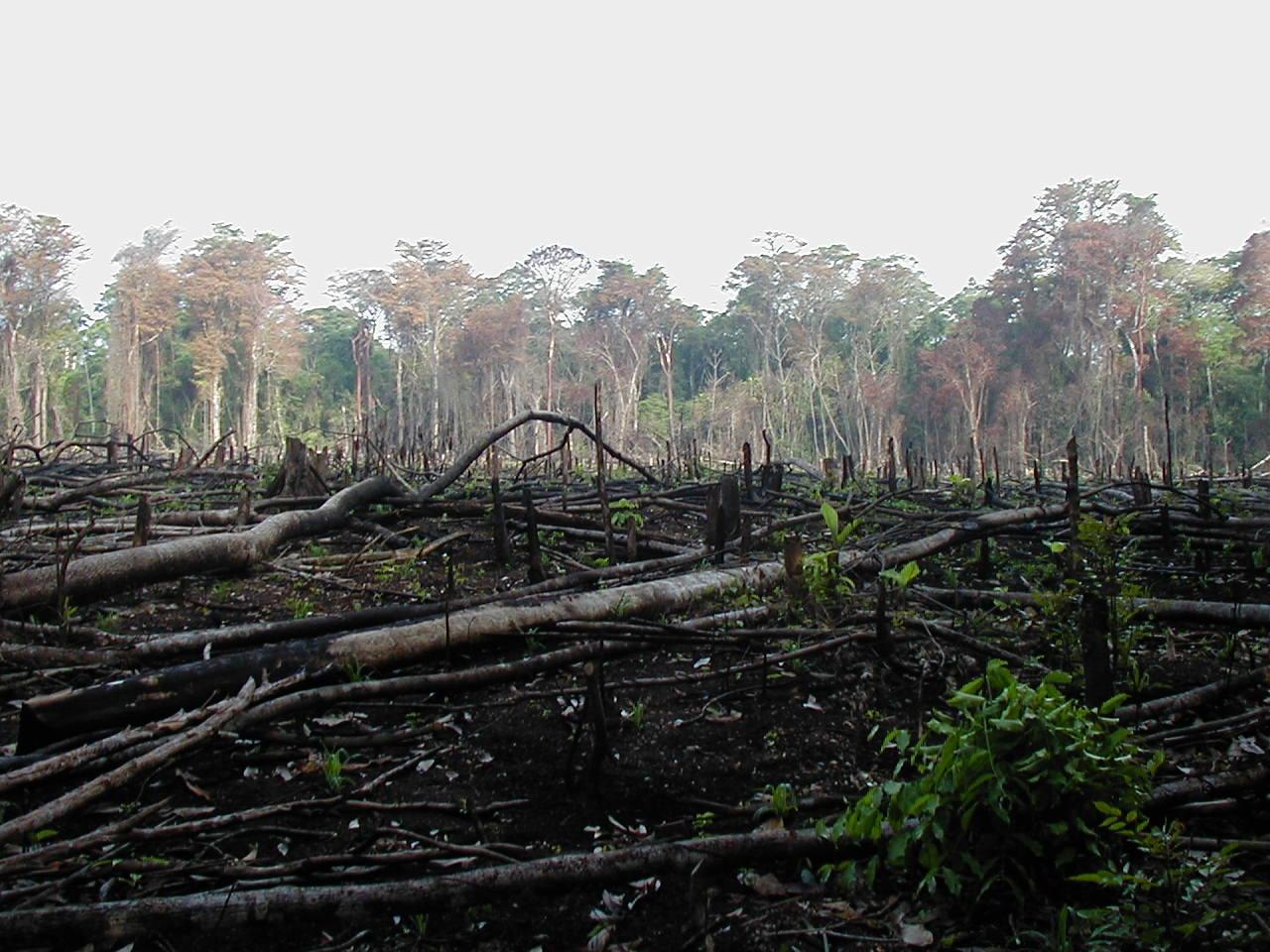
Deforestation is emerging as one of the most stubborn drivers of global warming, as forest clearing from the Amazon to Southeast Asia erases a critical buffer against rising greenhouse gases. Despite high-profile pledges to halt forest loss by 2030, satellite monitoring shows tropical primary forest destruction rose again last year, underscoring the gap between commitments and reality.
Forests act as vast carbon vaults; when they are cut or burned, they release stored carbon dioxide and reduce the planet’s capacity to absorb future emissions. Scientists estimate forest loss and degradation account for roughly a tenth of global greenhouse gas emissions-enough to complicate net-zero timelines and push vulnerable ecosystems closer to climate tipping points.
The stakes are intensifying as heat and drought amplify fire risks, demand for commodities drives new frontiers of clearing, and regulatory crackdowns-from Brazil’s renewed enforcement to the European Union’s deforestation law-test whether governments and corporations can reverse a trend with outsized climate consequences.
Table of Contents
- Forests as heat shields: how tree loss accelerates warming through carbon release and albedo shifts
- Agriculture drives the front line: curb commodity expansion with deforestation free sourcing, land tenure security and transparent traceability
- Enforcement that works: deploy satellite alerts, prosecute high level actors and cut illicit finance flowing to clearing
- Financing recovery and resilience: end harmful subsidies, scale payments for ecosystem services, fund Indigenous stewardship and restore degraded forests
- Key Takeaways
Forests as heat shields: how tree loss accelerates warming through carbon release and albedo shifts
Scientists describe forests as active cooling systems: trees move water from soil to sky through evapotranspiration, shading the surface and shifting heat from sensible to latent form, while rough canopies seed clouds that reflect sunlight. When canopies fall, that natural air-conditioning shuts down and a large pulse of carbon dioxide is released from trunks, leaves, and soils. The combined effect is a warmer, drier boundary layer and hotter extremes. While clearing can brighten land surfaces and raise albedo in some regions, especially where snow is present, the long-lived greenhouse impact of released carbon and the loss of atmospheric moisture generally outweigh any short-term reflectivity gains-particularly in the tropics, where deforestation has been linked to stronger daytime heat and diminished rainfall.
- Carbon pulse: Harvesting and fires convert decades of stored biomass into atmospheric CO2, with additional soil emissions following disturbance.
- Moisture engine shutdown: Reduced evapotranspiration lowers humidity, suppresses cloud formation, and shifts energy toward surface heating.
- Albedo rewire: Brighter post-clearing surfaces can reflect more sunlight in high latitudes, but globally the cooling is outweighed by lost carbon storage and moisture-driven cooling.
- Rainfall and cloud feedbacks: Fewer clouds mean more incoming solar energy and less afternoon convection, reinforcing heatwaves over and downwind of cleared areas.
- Fire feedback loop: Drier landscapes burn more easily, adding black carbon and further emissions to the atmosphere, compounding warming.
- Spillover effects: Hotter, drier conditions increase irrigation demand, strain power grids, and depress crop yields across deforestation frontiers.
Emerging satellite datasets and flux-tower records now capture these biophysical shifts in real time, strengthening the case for policies that value forests beyond their carbon accounts. Analysts point to three fast-impact levers: protect intact forests to retain their cooling services, stop frontier clearing that amplifies regional heat, and restore degraded canopies to reactivate local moisture cycles. Integration of these factors into climate targets, corporate supply chains, and land-use planning is becoming pivotal, with researchers warning that the pathway to 1.5°C narrows markedly if tropical losses persist this decade.
Agriculture drives the front line: curb commodity expansion with deforestation free sourcing, land tenure security and transparent traceability
Agricultural conversion for beef, soy, palm oil, and cocoa remains the dominant driver of forest loss in key producer regions, amplifying heat-trapping emissions and destabilizing local climates. Evidence points to three levers that can realign markets without sacrificing food security: clean supply chains that shut the door on forest-risk inputs, secure land rights that deter speculative clearing, and end-to-end visibility that makes risk traceable and manageable. In practice, that means tightening procurement rules, protecting communities that steward forests, and bringing data to the last mile of sourcing.
- Deforestation‑free sourcing: adopt cut‑off dates, apply NDPE policies across all suppliers, and prioritize verified low‑risk landscapes with independent third‑party checks.
- Land tenure security: recognize Indigenous and community titles, accelerate cadastral mapping, and link legal clarity to preferential market access.
- Transparent traceability: require geolocation to plot level, use geofencing and digital IDs to prevent mixing, and disclose progress via public dashboards.
Momentum is shifting as regulators, financiers, and brands converge on due‑diligence standards, yet implementation gaps persist from farm gate to export terminals. Closing them will require synchronized policy, incentives, and technology that reduce compliance frictions for producers-especially smallholders-while raising the cost of non‑compliance for traders and mills.
- Policy alignment: harmonize due‑diligence rules across markets and embed jurisdictional approaches that reward high‑performing regions.
- Market incentives: offer price premiums, risk‑based procurement, and transition finance for verified producers meeting cut‑off and legality criteria.
- Verification and disclosure: pair near‑real‑time satellite alerts with ground audits; publish concession maps, supplier lists, and remediation outcomes.
- Social safeguards: implement FPIC, accessible grievance channels, and human‑rights due diligence to ensure protections keep pace with traceability.
Enforcement that works: deploy satellite alerts, prosecute high level actors and cut illicit finance flowing to clearing
Authorities are shifting from reactive policing to precision enforcement, pairing real-time satellite alerts with rapid response teams and evidentiary pipelines that stand up in court. Synthetic-aperture radar and optical feeds flag canopy loss through clouds within hours, routing coordinates to rangers and prosecutors while creating a time-stamped audit trail. Prosecutors are prioritizing the architects of industrial clearing-company directors, brokers, and political facilitators-rather than only field operators, and using geospatial forensics, drone verification, and supply-chain records to prove command responsibility. Early adopters report faster case filings, higher conviction rates, and a measurable deterrent effect in hotspots that are critical to limiting heat-trapping emissions.
- Deploy continuous monitoring: Integrate SAR-based alerts with dispatch systems for sub-24-hour interdictions.
- Harden the evidence chain: Standardize metadata, chain-of-custody logs, and expert protocols for geospatial exhibits.
- Target command-and-control: Build cases on trafficking, conspiracy, and environmental crime statutes to reach executives.
- Public transparency: Publish alert outcomes on open dashboards to elevate accountability and deter repeat offenses.
Cutting the cash that bankrolls illegal clearing is the fastest lever for impact. Financial intelligence units, regulators, and banks are mapping flows from shell firms to equipment rentals, land-grab notaries, and fuel suppliers, then shutting them through sanctions, enhanced due diligence, and transaction monitoring. Commodity traders, slaughterhouses, and mill groups are being compelled to trace supplies to plot-level polygons, with beneficial ownership disclosures and off-take contract clauses that suspend purchases tied to recent forest loss. Where enforced, these measures have choked off working capital for large-scale clearing and shifted risk calculations across the supply chain.
- Follow-the-money taskforces: Joint teams align AML, customs, and environmental agencies on priority cases.
- Geofence screening: Block financing and insurance for assets within recent-deforestation polygons.
- Beneficial ownership checks: Cross-border UBO registries to pierce shell networks behind front companies.
- Trade leverage: Condition market access, export credit, and listings on zero-deforestation verification.
Financing recovery and resilience: end harmful subsidies, scale payments for ecosystem services, fund Indigenous stewardship and restore degraded forests
Public money is still propping up forest loss even as temperatures rise. The OECD estimates governments provide at least $500 billion a year in subsidies that harm biodiversity, while the IEA reports fossil-fuel consumption subsidies exceeded $1 trillion in 2022. In many forest frontiers, tax breaks, cheap credit and price supports for cattle, soy and palm oil still tilt the ledger toward clearing. Redirecting even a fraction could underwrite recovery: expand payments for ecosystem services that compensate producers and municipalities for verified carbon storage, water regulation and biodiversity outcomes; couple this with jurisdictional, results-based finance that rewards provinces and states for keeping forests standing and strengthens monitoring, reporting and verification.
- Repurpose harmful subsidies on a clear timeline, shifting budget support to PES, restoration and climate-resilient rural livelihoods.
- Scale PES via national budgets, utility surcharges, tourism levies and high-integrity carbon or biodiversity credit markets.
- Pay-for-performance at jurisdictional scale (e.g., high-integrity REDD+) with transparent baselines, independent MRV and benefit-sharing.
- Green public procurement and finance rules that require deforestation-free supply chains and exclude conversion risk from portfolios.
Evidence shows territories managed by Indigenous Peoples and local communities have lower deforestation and store vast carbon stocks, yet less than 1% of climate finance reaches them directly. Directing funds to secure land tenure, enforce rights and support community-led enterprises-alongside financing to restore degraded forests through assisted natural regeneration, fire management and climate-smart silviculture-offers fast, durable mitigation and adaptation benefits, from cooler microclimates to flood control.
- Dedicated funding windows and trust funds co-governed by Indigenous leaders, with safeguards and free, prior and informed consent.
- Tenure and enforcement financing to map, title and protect customary lands, paired with community-based monitoring.
- Benefit-sharing mechanisms that channel revenues from carbon, biodiversity and water credits directly to communities.
- Blended finance for restoration, including green bonds, concessional loans and debt-for-nature swaps to scale natural regeneration.
- Risk-sharing tools (guarantees, insurance) to crowd in private capital for restoration and climate-resilient forest economies.
Key Takeaways
As scientists warn that intact forests remain one of the planet’s most effective carbon buffers, the stakes of continued clearing are increasingly clear. Land-use change accounts for about a tenth of global carbon dioxide emissions, according to UN assessments, and rising temperatures are amplifying fire risk and drought stress that can turn once-reliable sinks into net sources.
Governments and companies have pledged to halt and reverse forest loss by 2030, but enforcement, financing and traceability gaps persist, particularly in agricultural commodity supply chains. Indigenous and local community stewardship has shown strong results, experts note, yet land rights and support vary widely across regions. Meanwhile, satellite monitoring is making deforestation more visible in near real time, raising expectations for accountability as well as questions about who pays to keep forests standing.
As countries prepare for the next round of climate talks, the trajectory of global warming will be shaped not only by how quickly fossil fuels are phased out, but by whether the world can curb the clearing that amplifies their impact. The difference between forests as a brake on warming or a driver of it may be decided in the years immediately ahead.